






Ziro: Indie Music in a Valley of Dreams
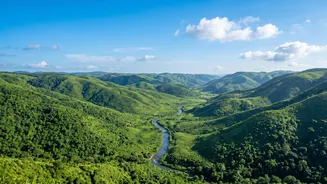
Deep in Arunachal Pradesh, the Ziro Valley transforms into a haven for music lovers every September. The Ziro Festival of Music, which began in 2012, is not your typical commercial event. Its magic lies in its raw, authentic setting amidst golden paddy
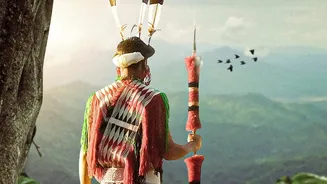
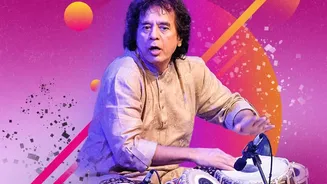
fields and pine-covered mountains. The festival has earned a reputation for its carefully curated lineup of independent artists from India and around the globe, spanning genres from indie rock and folk to electronic and fusion. But attendees will tell you that Ziro is about more than just the music. It’s an immersive cultural experience. Hosted by the local Apatani tribe, known for their sustainable living practices and warm hospitality, the festival offers a genuine connection to the land and its people. The infrastructure itself, built primarily from locally sourced bamboo, underscores its eco-friendly ethos. It’s this blend of diverse music, stunning natural beauty, and a strong sense of community that makes thousands of travellers undertake the pilgrimage to what is often called India's most unique outdoor music festival.
Shillong: A Symphony of Petals and Sound
Travel east to Meghalaya, and another unique festival captures the imagination. Every November, the city of Shillong is painted in hues of pink as the Himalayan cherry trees burst into bloom. This natural spectacle provides the backdrop for the Shillong Cherry Blossom Festival, an event that masterfully blends nature's beauty with a high-energy music lineup. Unlike Ziro’s indie focus, Shillong’s festival often features a mix of major international headliners, popular Indian acts, and prominent artists from across the Northeast. The event has grown from a small local gathering into a major national attraction, drawing crowds from all over the country. It's a multi-sensory experience where visitors can enjoy live concerts at venues like the Jawaharlal Nehru Stadium, explore local crafts at night markets, and simply walk through streets canopied with pink flowers. The festival successfully merges the global appeal of its musical acts with the distinct local charm of the Khasi hills, making it a powerful magnet for tourism.
The Rise of the Festival Pilgrim
Ziro and the Cherry Blossom Festival are prime examples of a larger movement: the rise of music tourism in India. This trend sees travellers, particularly millennials and Gen Z, planning entire trips around live music events. Reports show that a significant percentage of young Indians are willing to travel to a new city specifically for a concert or festival. This shift is driven by a desire for unique, shareable experiences over conventional holidays. It’s no longer enough to just see a place; travellers want to be part of a memorable event. The appeal lies in the complete package: the journey to a remote or beautiful location, the discovery of new artists, the sense of community with fellow attendees, and the cultural immersion that goes beyond the main stage. This evolving preference is transforming music events from simple concerts into full-fledged travel destinations. Market analyses predict substantial growth in India's music tourism sector, with projected values reaching billions of dollars by the next decade.
More Than a Good Time: Local Impact
The boom in music tourism carries significant benefits that extend far beyond the festival grounds. For regions like Arunachal Pradesh and Meghalaya, these events are powerful drivers of the local economy. Festivals like Ziro are often the largest non-pilgrimage tourist events in their states, creating employment and business opportunities for the local community, from artisans building bamboo stages to families offering homestays. The influx of visitors stimulates sectors like hospitality, transport, and local food services. Moreover, these festivals put lesser-known but beautiful parts of the country on the national and even international map. By celebrating and integrating local culture—be it the Apatani traditions at Ziro or the broader Northeastern heritage at Shillong—they foster a sense of pride and create a sustainable model for tourism that is both culturally respectful and economically beneficial.