


The Search for a Real Break
For many, the traditional Indian holiday involved a whirlwind tour of multiple cities, a frantic rush between sightseeing spots, and an itinerary packed from dawn till dusk. The goal was to see as much as possible, but travellers are increasingly realising
that this approach often leads to returning home more tired than when they left. A significant shift is underway. In 2026, the purpose of a holiday is changing from a frantic escape to a meaningful pause. Urban fatigue, constant digital noise, and high-stress jobs have created a deep need for genuine rest. This has given rise to a new blend of travel styles where the focus is on restoration, connection, and mindful experiences rather than just collecting destinations. It's less about the photos and more about the feeling.
Into the Wild: The Pull of Nature
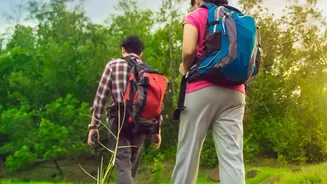
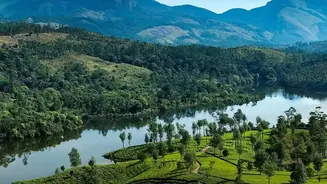
A key ingredient in this new holiday mix is a powerful reconnection with nature. Travellers are increasingly seeking out serene landscapes, from the Himalayan foothills to the tranquil backwaters of Kerala and the forests of Coorg. This trend goes beyond just visiting a hill station. It’s about immersive experiences like staying in eco-resorts, trekking through lush trails, and engaging in wildlife safaris that demand patience and presence. The demand for such nature-focused and wellness-oriented getaways is growing, with digital travel platforms noting a significant rise in searches for quieter destinations like Rishikesh and Dharamshala. The goal is no longer just a change of scenery, but a chance to breathe cleaner air, enjoy the quiet, and find a sense of calm that city life rarely affords.
Logging Off: The Digital Detox
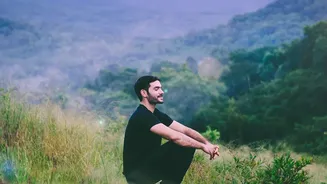
Constant connectivity has led to a new form of burnout: screen fatigue. In response, the 'digital detox' has become a central component of modern Indian travel. An increasing number of travellers, especially millennials and Gen Z, are deliberately choosing vacations where they can disconnect from their devices. Wellness retreats across the country now offer structured digital detox programs, encouraging guests to trade their smartphones for yoga, meditation, and nature walks. These retreats, found in places like Rishikesh, Pune, and the hills of Maharashtra, provide a sanctuary from the relentless flow of notifications and emails. The experience is about being fully present and allowing the mind to reset, leading to improved mental clarity and reduced anxiety.
The Art of Slowing Down
Complementing the move towards nature and digital detoxes is the philosophy of 'slow travel'. This approach encourages travellers to abandon crammed itineraries and instead immerse themselves in a single location. Instead of seeing seven cities in seven days, the slow traveller might spend a week in one village, exploring local markets, learning regional crafts, or simply observing daily life. This trend is reflected in booking data, which shows a rise in single-base itineraries and a decline in multi-city tours. Homestays are becoming preferable to hotels, as they offer a more authentic connection to the local culture. Slow travel transforms a trip from a passive sightseeing tour into an active, participatory journey of discovery.