



Why Monsoon Makes Skin Break Out
During the monsoon, the air is heavy with moisture. This humidity signals your skin's sebaceous glands to produce more oil (sebum). [10, 11, 18] When this excess oil mixes with sweat, pollutants, and dead skin cells, it creates the perfect environment
for clogged pores and bacteria to thrive, leading to acne. [4, 11] This isn't just limited to your face; breakouts on the back and chest are also common due to damp clothing trapping sweat. [4, 11] The damp weather is also a breeding ground for bacteria and fungi, increasing the risk of both standard and fungal acne. [6, 14]
Rethink Your Cleansing Strategy
While it’s tempting to wash your face frequently to combat the sticky feeling, over-cleansing can be counterproductive. Stripping the skin of its natural oils can trigger even more sebum production as your skin tries to compensate. [12, 18] Stick to washing your face two to three times a day with a gentle, pH-balanced cleanser. [13, 16] Look for ingredients like salicylic acid, which helps to keep pores clear. [10] If you get caught in the rain, wash the rainwater off as soon as possible to avoid irritation from pollutants. [15]
Exfoliate Gently and Purposefully
Exfoliation is crucial for removing the buildup of dead skin cells and preventing clogged pores, but it's a delicate balance. [3] Over-exfoliating can damage your skin's protective barrier and cause irritation. [3, 18] During the monsoon, limit exfoliation to once or twice a week. [3] You can opt for a mild physical scrub or a gentle chemical exfoliant containing AHAs (like glycolic acid) or BHAs (like salicylic acid) to effectively clear out pores without being too harsh. [3, 5]
Don't Skip the Moisturiser
A common mistake in humid weather is skipping moisturiser because the skin already feels oily or damp. [16] However, oiliness and hydration are two different things. [9, 16] Dehydrated skin can actually produce more oil to compensate. The key is to switch to a lightweight, non-comedogenic (pore-clogging) moisturiser. [13, 21] Gel-based or water-based formulas are excellent choices as they provide necessary hydration without feeling heavy or greasy. [10, 16, 17]
Sunscreen Is Still a Must
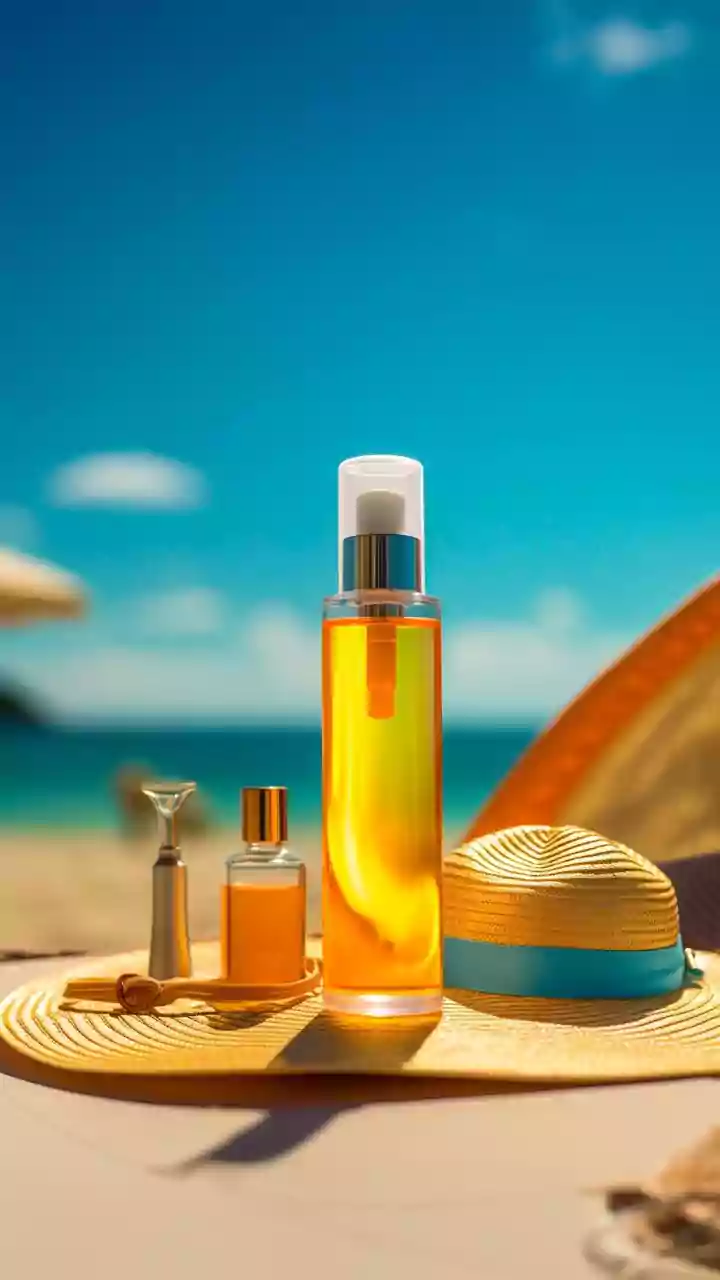
Even on cloudy or rainy days, harmful UV rays can penetrate the cloud cover and damage your skin. [4, 13] Sun exposure can also worsen post-inflammatory hyperpigmentation, which are the dark spots left behind after acne heals. For the monsoon, choose a lightweight, non-comedogenic, or gel-based sunscreen with at least SPF 30 to protect your skin without clogging pores. [4, 23] Applying it about 20 minutes before stepping out is ideal. [15]
What to Eat for Clearer Skin
Your diet plays a significant role in your skin's health. During the monsoon, try to limit fried, sugary, and overly spicy foods, which can increase oil production and inflammation. [6, 7, 8] Instead, focus on foods rich in antioxidants and vitamins. Include seasonal fruits like jamun, pomegranate, and citrus fruits, which are high in Vitamin C and help with collagen production. [7, 8, 19] Foods rich in zinc, such as pumpkin seeds and chickpeas, can help regulate sebum. [19] Staying hydrated by drinking plenty of water is also essential to flush out toxins. [2, 7]