






A Gift from Halley's Comet
The Orionid meteor shower is an annual event that occurs when Earth passes through the stream of debris left behind by one of history's most renowned comets, 1P/Halley. While Halley's Comet itself is a rare visitor, last seen in 1986 and not due to return
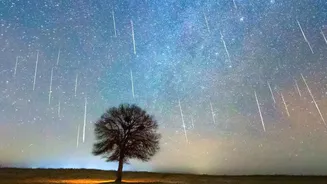
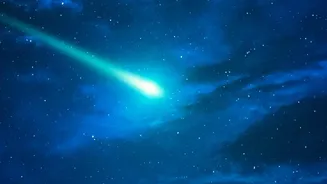
until 2061, it leaves behind a dusty trail of ice and rock particles. Every October, our planet intersects with this trail, and these tiny fragments enter our atmosphere at incredible speeds—around 66 kilometres per second. As they burn up, they create the dazzling streaks of light we call meteors. The Orionids are known for being particularly fast and bright, and they can sometimes leave behind glowing trails, or 'trains', that linger for a few seconds after the meteor has vanished.
Peak Dates and Times for India
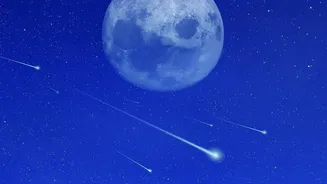
The Orionid meteor shower is active from early October to early November. However, the best time to watch will be during its peak, which occurs on the night of October 21 and into the pre-dawn hours of October 22. Under perfect conditions, you might see between 10 and 20 meteors per hour. There is a challenge this year: a bright waxing gibbous moon will be in the sky for much of the night, its glare washing out the fainter meteors. But there is a window of opportunity. For observers in India, the best time to watch will be in the early morning, after the moon sets (around 3 a.m. local time) and before the sky begins to brighten with the dawn. This dark, pre-dawn period offers the prime viewing window.
How and Where to Look
You don't need any expensive equipment to enjoy the show. In fact, telescopes and binoculars are not recommended as their narrow fields of view will limit what you can see. The best tool is simply your own eyes. The shower gets its name because the meteors appear to radiate from a point within the constellation of Orion the Hunter. You can use stargazing apps on your phone to help locate Orion, which will rise in the eastern sky after midnight. However, you don't need to stare directly at the constellation. The meteors will appear all across the sky. Tracing their paths backward will lead you to Orion, but you are more likely to see the longest and most spectacular streaks by looking at a wide patch of sky around the constellation.
Tips for the Best Viewing Experience
To maximise your chances of seeing the Orionids, the most important step is to get away from city and street lights. Find a dark, open area, perhaps in a rural location, a park, or even a quiet rooftop with an unobstructed view of the sky. Once you've found your spot, give your eyes about 20 to 30 minutes to fully adapt to the darkness; this will make a huge difference in spotting faint meteors. Comfort is key, as you might be outside for a while. Bring a blanket or a reclining lawn chair so you can lie back and look up without straining your neck. Dress in layers, as even on a clear night, the pre-dawn hours can get chilly. Finally, be patient. Meteor watching is a waiting game, but the reward is a spectacular natural light show.