





The Rain Shadow Secret
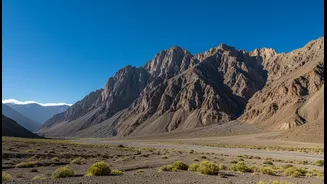
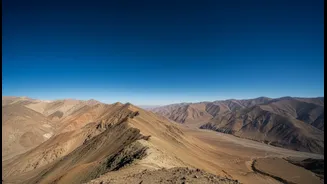
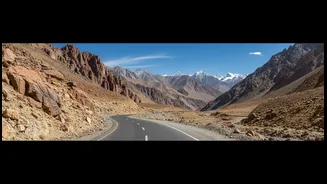
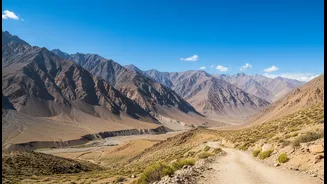
While most of India is drenched during the monsoon months of July and August, Spiti and Ladakh remain surprisingly dry. Both regions lie in a rain-shadow zone, meaning the towering Himalayan ranges block most of the rain-bearing clouds from reaching them.
This unique geographical advantage results in minimal rainfall, clear skies, and pleasant daytime temperatures, creating a perfect, if unconventional, window for exploration when other mountain destinations are plagued by incessant downpours and landslides. The result is an opportunity to see these cold deserts in a different light, often with fewer crowds than in the peak summer season.
Ladakh: High Passes and Greener Valleys
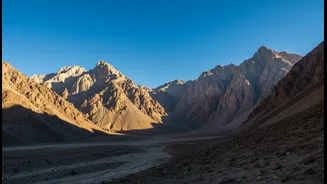
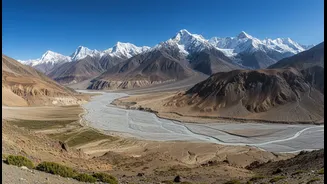
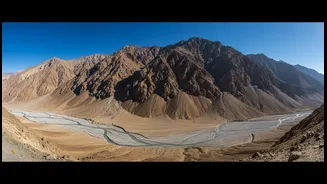
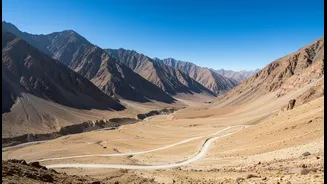
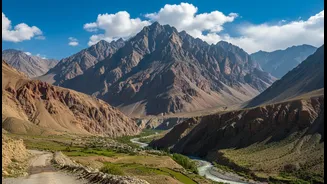
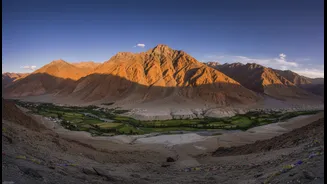
A monsoon trip to Ladakh offers a unique visual treat. The occasional light drizzle washes the dust from the landscape, leaving the air crisp and revealing a subtle green hue in the valleys that contrasts beautifully with the barren mountains. This season sees significantly fewer tourists compared to the peak months of May and June, allowing for a more serene experience at iconic spots like Pangong Tso and Nubra Valley. While the main approach roads—the Manali-Leh and Srinagar-Leh highways—pass through regions that do receive heavy monsoon rains, careful planning can mitigate the risks. As of mid-July 2026, the Manali-Leh highway is fully open, though travelers should remain cautious of potential rain-induced delays on the Manali side. Flying directly into Leh is also a popular and safer alternative to bypass tricky road sections.
Spiti: A World Within a World
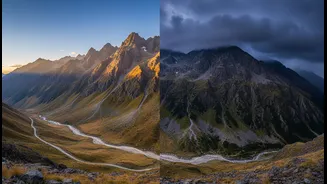
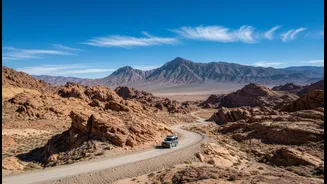
Spiti Valley in the monsoon is for the true adventurer. Known for its stark, lunar-like landscapes and ancient monasteries perched on cliffs, the valley becomes a haven of peace. The crowds thin out, and you can experience the profound silence of places like Key Monastery and Tabo Monastery. The preferred route to Spiti during monsoon is from Shimla via the Kinnaur valley. This road is generally more stable, though landslides can still cause temporary blockages. The Manali-Kaza route, while more direct, is far more challenging, with multiple water crossings and rough patches, and the crucial Kunzum Pass often opens only by mid-June or later. The reward for navigating these challenges is witnessing the valley's dramatic landscapes under moody monsoon skies.
The Fresh Twist: New Ways to Explore
The 'fresh twist' isn't just about visiting during an off-beat season; it's about how people are experiencing it. There's a growing trend towards more immersive travel. Instead of rushing through a checklist of sights, travelers are opting for village homestays, engaging in cultural exchanges, and exploring lesser-known treks. Photography expeditions are popular, capturing the dramatic contrast of green patches against barren mountains. Adventure activities like white-water rafting on the Zanskar and Indus rivers are also a major draw during this time. This shift reflects a broader change in Indian travel habits, where unique, nature-based experiences are increasingly sought after over crowded mainstream destinations.
Your Monsoon Adventure Checklist
A successful monsoon trip to these high-altitude regions hinges on preparation. First, acclimatization is non-negotiable; spend at least a day or two at your arrival point (like Leh or Kaza) before ascending further. Always check the latest road status from official sources like the Border Roads Organisation (BRO) before and during your trip. Pack layers, including warm clothes for chilly nights and a reliable waterproof jacket for unexpected showers on the approach routes. For road trips, a vehicle with high ground clearance is advisable. Most importantly, build buffer days into your itinerary. The mountains are unpredictable, and road closures due to landslides are always a possibility. Flexibility is key to enjoying a safe and memorable journey.