




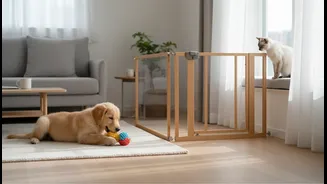




Preparation and Separate Spaces
The first rule of a successful introduction is to not rush it. Before your kitten comes home, set up a dedicated 'safe room' for them. This room should be inaccessible to your dog and contain everything the kitten needs: food, water, a litter box, toys,
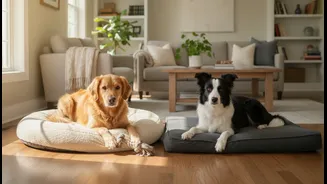
and a comfortable bed. This allows the kitten to acclimate to their new surroundings without feeling threatened. Your senior dog should continue to enjoy their usual comfortable spaces, feeling secure in their own territory. This initial period of complete separation is crucial for reducing stress on both animals.
The Power of Scent Swapping
Dogs and cats navigate their world through scent. Before any face-to-face meeting, help them get used to each other’s smell. You can do this by swapping their bedding or rubbing a cloth on one pet and placing it in the other’s area. This allows them to investigate the new scent in a non-threatening way. Over a few days, they will become familiar with the other's presence without the anxiety of a direct encounter. Positive association is key, so you can also try feeding them on opposite sides of the closed door to the kitten's room.
Controlled Visual Introductions
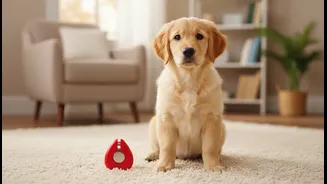
Once both pets are calm with scent swapping, you can move to visual introductions through a barrier. A baby gate is an excellent tool for this stage. It allows them to see and smell each other more directly, but prevents physical contact. Keep these initial sessions short and positive. Reward your senior dog with praise and treats for calm behaviour, like looking at the kitten and then looking away. The goal is to teach your dog that remaining calm in the kitten's presence leads to good things.
The First Supervised Meeting
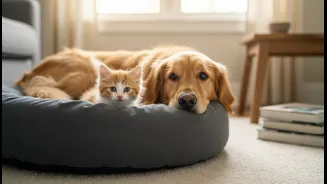
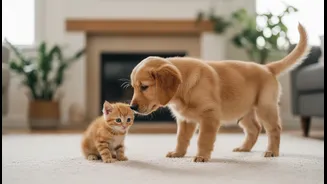
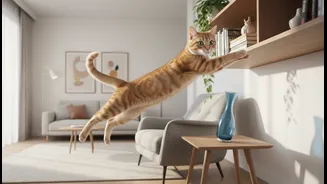
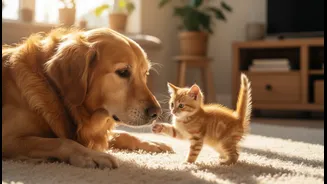
When both animals seem relaxed during visual meetings, you can plan the first face-to-face interaction. This must be carefully managed. Have two people present if possible—one for each pet. Keep your dog on a loose leash for control. Allow the kitten the freedom to approach or retreat as they wish; never force the interaction or hold the kitten. Ensure the kitten has easy access to an escape route, like furniture to jump on or their safe room. Keep the first meeting very brief, just a few minutes, and end on a positive note before either animal becomes stressed.
Understanding Their Body Language
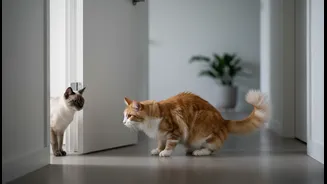
Knowing how to read your pets is crucial for preventing conflict. For your senior dog, watch for signs of prey drive or stress, such as a stiff body, intense staring, whining, or excessive lip licking. A relaxed dog will have loose body language. For the kitten, flattened ears, a swishing tail, hissing, or a puffed-up back are clear signs of fear or discomfort. If you see any of these negative signs, calmly create distance and end the interaction. Don't punish them; just try again later with more space and for a shorter duration.
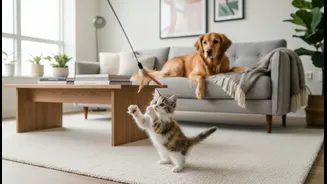
Special Considerations for Seniors
A senior dog has different needs than a younger one. They may have less patience for a kitten's boundless energy and playful pouncing. Ensure your older dog has a quiet, comfortable place to rest, undisturbed by the kitten. Respect their need for space. A boisterous kitten can inadvertently injure or simply annoy an older dog. Because kittens may not have a natural fear of dogs, it is your responsibility to supervise all interactions closely to protect both animals. Never leave them unsupervised together until you are absolutely certain they have established a safe and peaceful relationship, which can take weeks or even months.