






The Global Menu at Your Fingertips
Not long ago, the food on our plates was largely dictated by geography and tradition. Access to specific ingredients, regional cuisines, and even basic dietary variety was limited. The internet, particularly through e-commerce and content platforms, has
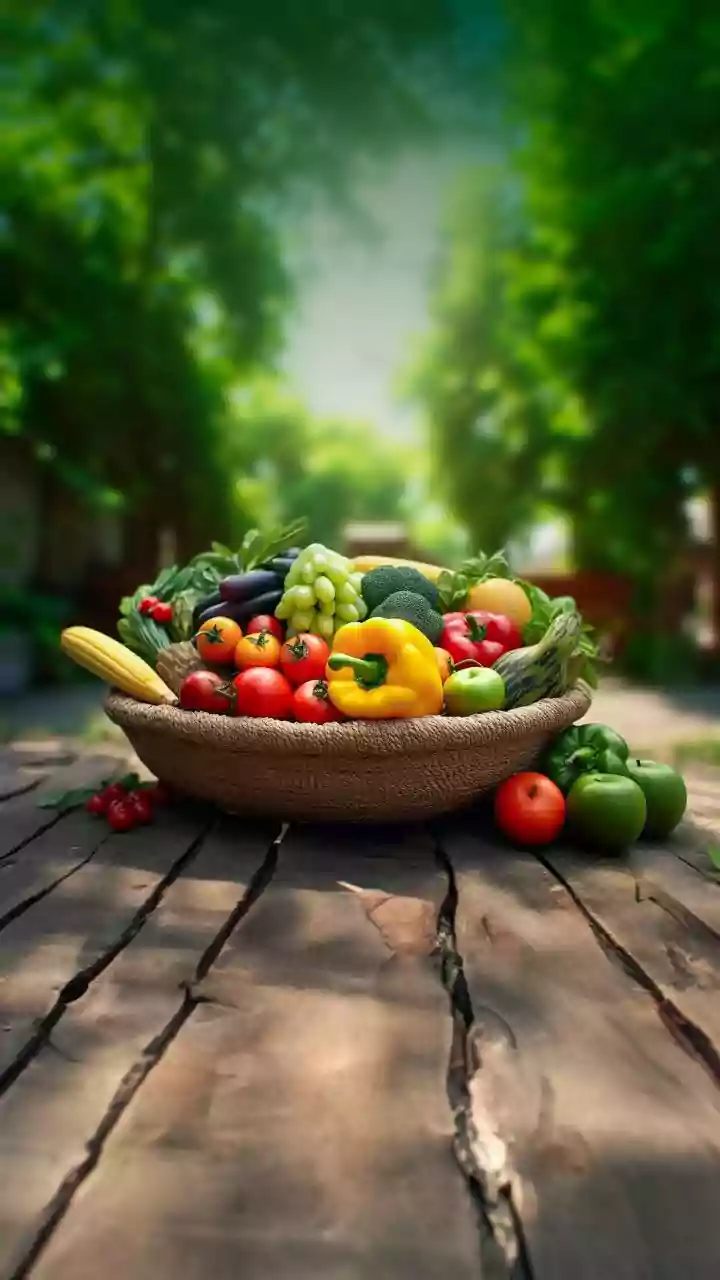
radically changed this. Suddenly, a home cook in a Tier-2 city can watch a video tutorial for a niche Italian dish, order the necessary authentic ingredients online, and have them delivered. This newfound access promotes dietary diversity. Studies show that internet use is positively correlated with an increase in the variety of foods people eat, especially in rural areas. People are experimenting with new foods like chia seeds, oats, and different salads, often influenced by social media. This can lead to a more balanced and nutrient-rich diet as households move beyond traditional staples.
The Rise of Aspirational Eating
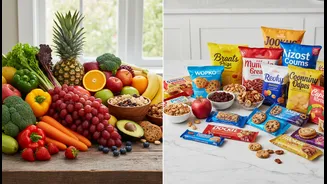
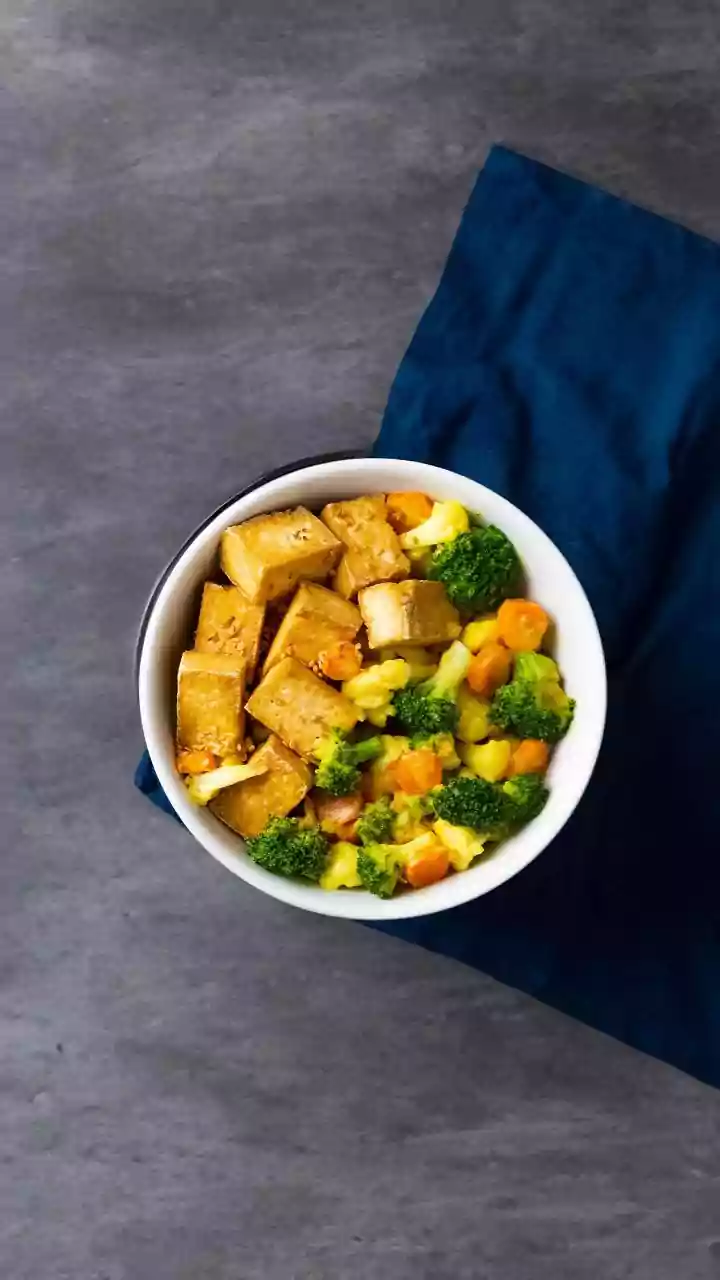
The internet doesn't just deliver food; it delivers aspirations. Food bloggers, celebrity chefs, and social media influencers curate a constant stream of visually appealing and often exotic food content. This digital exposure creates new desires and normalizes consumption patterns that were once considered premium or occasional. The trend is visible in the rising demand for organic produce, plant-based products, and healthy snacks, which are increasingly available on e-commerce platforms. One report noted a significant year-on-year surge in e-commerce orders for organic and healthy foods, with notable demand from Tier-2 and Tier-3 cities. This suggests a positive shift towards health consciousness, driven by online information and accessibility.
The Convenience Trap and Discretionary Spending
While the internet opens doors to healthier options, it also paves a very smooth path to discretionary, often unhealthy, consumption. The boom in online food delivery apps like Zomato and Swiggy has transformed eating from a planned activity into an effortless, impulsive act. This convenience comes at a cost. Studies link frequent use of these apps with poorer dietary quality, higher snacking behaviour, and increased consumption of calorie-dense fast food. One study among working adults found fast food was the most ordered item, and frequent app users had poorer quality diets. Government data also reflects a broader trend: Indians are spending a smaller share of their income on staple foods like cereals and more on processed foods, beverages, and refreshments. This shift toward discretionary spending is a hallmark of the nutritional transition India is currently experiencing.
A Nation Facing a Dual Burden
The outcome of this digital dietary revolution is a complex public health picture often described as the "dual burden." On one hand, undernutrition remains a challenge. On the other, there is a rapid rise in over-nutrition and lifestyle diseases like obesity and diabetes, particularly in urban areas. Online food delivery is considered a contributing factor to this trend. Research highlights that men, young adults, and urban dwellers are more likely to consume food away from home, and this is associated with higher rates of obesity. While some users actively seek healthy options online, many struggle to find them or are swayed by discounts and the prominent placement of fast food. This creates a scenario where the potential for improved nutrition through dietary diversity exists alongside the very real risk of increased consumption of foods high in fat, sugar, and salt.