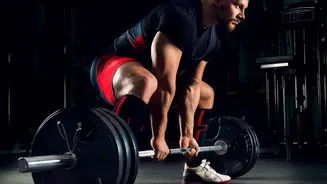








Why We Chase the Numbers
The allure of lifting heavy is undeniable. It provides a clear, measurable goal that feels like a direct indicator of progress. Each time you add a plate or move up a dumbbell rack, you get a tangible sense of accomplishment. This focus on absolute strength—the
maximum force you can exert in a single effort—is simple and satisfying. However, this single-minded pursuit of heavier loads often comes at a cost. When the primary goal is simply to move the weight from point A to point B, the quality of the movement can suffer, leading to what many call 'ego lifting'. While it might feel good in the moment, prioritising weight over form can be a shortcut to plateaus and injuries.
Redefining 'Useful' Strength
So, what is 'useful' or 'functional' strength? It's the strength that translates beyond the gym and into your daily life. It’s the ability to lift a heavy suitcase into an overhead bin without tweaking your back, carry all the groceries in one trip, or play with your kids without getting winded. This type of strength isn't just about raw power; it's about control, stability, and coordination across your entire body. It requires your muscles, joints, and nervous system to work together efficiently. While gym strength focuses on isolated muscle power in controlled settings, functional strength is about integrated, real-world movement. The good news is that the best way to build this practical strength is by mastering your technique.
Technique Is Your Brain's Blueprint
The first gains you make when starting a strength program aren't just from muscle growth; they're largely due to your nervous system getting smarter. This is called neuromuscular adaptation. Every time you perform an exercise with precise, controlled form, you are training your brain to communicate more effectively with your muscles. Your nervous system learns to recruit the correct muscle fibres, in the right order, and with the right timing. This improved coordination allows you to produce force more efficiently and powerfully. Think of it like learning any skill. The first few attempts are awkward and uncoordinated, but with deliberate practice, the movement becomes smooth and automatic. Good lifting technique builds a strong neural blueprint, which is the true foundation of all other strength gains.
Good Form Is Your Best Insurance
One of the most critical reasons to prioritise technique is injury prevention. When you lift with improper form, your body will find a way to complete the movement, but it often does so by compensating. This might mean using momentum, recruiting the wrong muscles, or putting excessive strain on joints, ligaments, and tendons that aren't designed to handle the load. For example, swinging your body to complete a bicep curl shifts the load from your bicep to your lower back and shoulders. While you might lift a heavier weight this way, you're not effectively strengthening the target muscle and are significantly increasing your risk of a strain or tear. Over time, these small compensations can lead to chronic pain and serious injuries that can set your progress back for months.
From Knowledge to Action
Improving your technique doesn't mean you'll be stuck with light weights forever. In fact, it guarantees better long-term progress. Start by being willing to lower the weight. Choose a resistance that allows you to perform every repetition with control and through a full range of motion. Focus on the mind-muscle connection, actively thinking about the muscle you're trying to work. It can be incredibly helpful to record yourself on your phone to see what your form actually looks like. You might be surprised. Finally, consider investing in a session or two with a qualified personal trainer. They can assess your unique movement patterns and provide personalised cues to help you build a solid foundation.