







The Deceptive 'Health Halo'
Marketers are experts at using specific words to make products seem healthier than they are. This is called the 'health halo' effect. When you see claims like 'organic,' 'gluten-free,' or 'made with real fruit' on a package, your brain may automatically
assume the entire product is good for you. This can lead you to overlook the actual nutritional information. For example, a biscuit might be organic, but it can still be loaded with sugar and refined flour. In India, the food safety authority FSSAI has recently issued notices to numerous brands for using misleading claims like 'healthy' and '100% Atta' without sufficient proof, highlighting how widespread this issue is.
The Hidden Sugar Trap
One of the biggest culprits in 'healthy' snacks is hidden sugar. To make products palatable, especially low-fat versions, companies often add large amounts of sugar under various names. There are at least 61 different names for sugar on ingredient lists, including high-fructose corn syrup, dextrose, maltodextrin, and fruit juice concentrate. A single 'healthy' snack bar can contain a significant portion of your recommended daily sugar intake. These sugars lead to blood sugar spikes and subsequent crashes, which can increase cravings and disrupt the sustained energy needed for workouts and recovery. This excess sugar consumption is strongly linked to weight gain and an increased risk of chronic diseases.
The Problem with Processed Ingredients
Many packaged snacks are ultra-processed, meaning they have been industrially modified with additives to improve flavour, texture, and shelf life. This processing often strips away essential nutrients like fibre, vitamins, and minerals that are abundant in whole foods. Even if a snack is 'fortified' with synthetic vitamins, it lacks the complex nutritional synergy of natural foods. Relying on these processed items can crowd out more nutrient-dense options from your diet, potentially leading to nutritional deficiencies and poor gut health. The convenience is tempting, but the trade-off is often a product that barely resembles its original ingredients.
When 'Low-Fat' Means High Trouble
For decades, fat was seen as the enemy, leading to a boom in low-fat products. However, when fat is removed, something else is usually added to maintain taste and texture—often sugar, sodium, or refined carbohydrates. As a result, many low-fat snacks are not healthier and can sometimes be worse. For example, low-fat flavoured yogurts are often packed with added sugars, making them less ideal than their full-fat, plain counterparts. Healthy fats, like those in nuts and avocados, are crucial for hormone production and feeling full, which helps with appetite control. By opting for processed low-fat foods, you miss out on these benefits and may end up consuming more calories overall.
Prioritising Whole Foods Instead
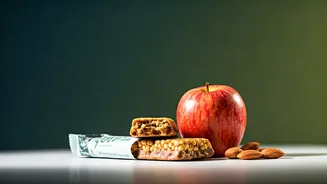
The most effective way to fuel your fitness transformation is to prioritise whole foods. These are foods that are in or close to their natural state, like fruits, vegetables, nuts, seeds, and lean proteins. Unlike their processed counterparts, whole foods are nutrient-dense, providing a complete package of vitamins, minerals, and fibre. The high fibre content keeps you feeling full and satisfied, aiding in weight management and promoting better digestive health. Choosing an apple over a fruit-flavoured bar or a handful of almonds over baked chips provides sustained energy without the artificial additives and hidden sugars that can derail your progress.