





More Than Just Looking Up
Welcome to the planning era of stargazing. This isn't your childhood experience of finding the Big Dipper and going back inside. This is a dedicated, tech-assisted pursuit of the heavens. Modern stargazers are part hobbyist, part event planner, using
sophisticated apps to track planetary alignments and booking trips to remote locations months in advance. The goal is no longer just to see the stars, but to experience them in the best possible way. This shift is driven by a convergence of accessible technology, a renewed interest in nature, and a growing community of enthusiasts who share tips, locations, and breathtaking photos online, turning a solitary hobby into a shared global event.
The Modern Stargazer’s Toolkit
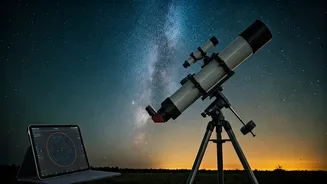
At the heart of this planning revolution is the smartphone. Apps like Star Walk 2, Stellarium, and SkySafari have transformed any phone into a portable planetarium. These tools offer real-time maps of the sky, send notifications for upcoming events like meteor showers, and use augmented reality to identify constellations and satellites just by pointing your phone upwards. For photographers, apps like PhotoPills are indispensable, helping them plan the perfect shot by calculating the exact position of the Milky Way or the moon. The best part is that many powerful apps, including Star Walk 2 and SkyView Lite, have excellent free versions, making the hobby incredibly accessible to beginners.
Your 2026 Celestial Calendar
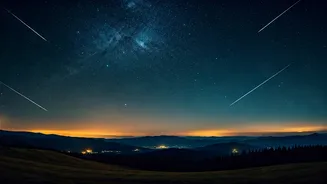
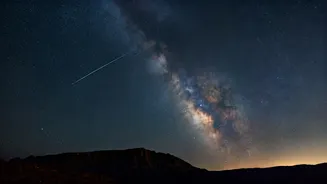
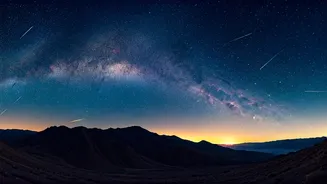
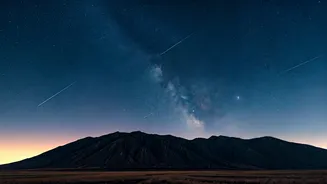
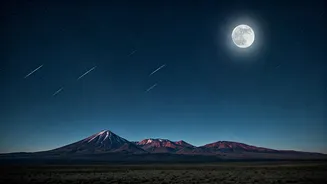
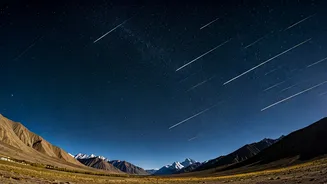
Planning is all about knowing what's coming. Fortunately, 2026 is packed with spectacular celestial events perfect for both beginners and seasoned sky-watchers. A major highlight will be the Perseid meteor shower, which peaks on the night of August 12-13. Conditions are expected to be ideal this year, as the peak coincides with a new moon, meaning darker skies and a much better view of the up to 60 meteors per hour. Another must-see is the Geminid meteor shower, peaking on the night of December 13-14. Known for their bright and sometimes colourful meteors, the Geminids will also have favourable viewing conditions with a crescent moon that sets early in the evening. Other notable events for Indian observers include a total lunar eclipse on March 3rd and a beautiful conjunction of Venus and Jupiter in early June.
The Rise of Astro-Tourism
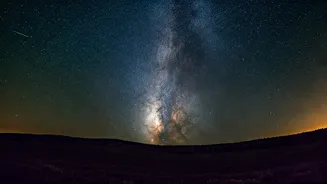
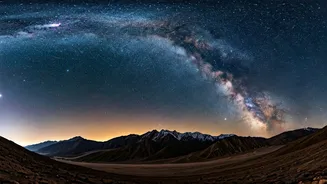
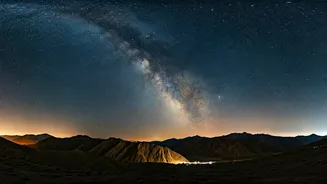
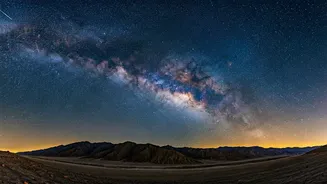
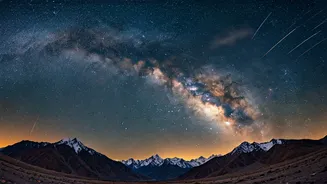
For many, planning also means traveling. Astro-tourism, or traveling for celestial events, has become a major trend. Light pollution affects over 80% of the world's population, making it impossible for many to see the Milky Way from their homes. This has fueled a desire to visit "dark sky" locations. India is embracing this trend, with dedicated stargazing destinations. The Hanle Dark Sky Reserve in Ladakh offers some of the clearest, darkest skies in the world. Meanwhile, Pench Tiger Reserve in Maharashtra became India's first official Dark Sky Park, blending wildlife conservation with astronomical wonder. Other emerging hotspots include Spiti Valley, the Rann of Kutch, and Jaisalmer.