




The Monsoon's Hidden Danger: Root Rot
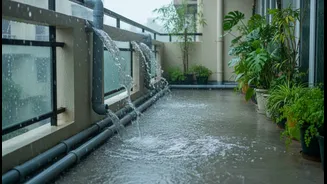
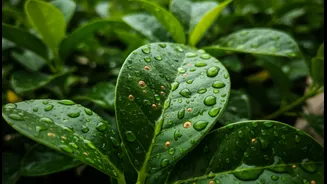
During the wet season, the biggest threat to container plants is not a lack of water, but an excess of it. When soil becomes saturated, the air pockets that roots need to breathe are filled with water. This oxygen deprivation can lead to root rot, a fungal
disease that causes roots to become brown and mushy, making them unable to absorb nutrients. The result is a plant that, ironically, wilts and starves despite being surrounded by moisture. High humidity also encourages the growth of other fungal issues like mildew on leaves and stems.
Start with the Right Foundation: Pots and Placement
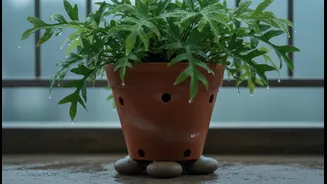
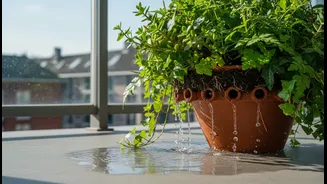
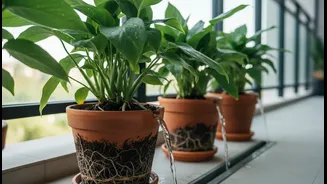
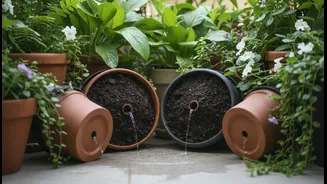
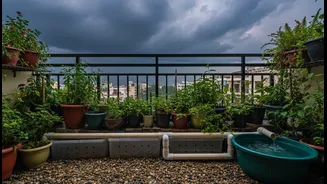
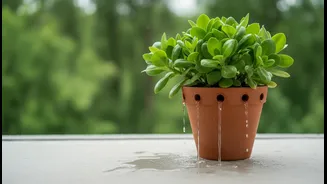
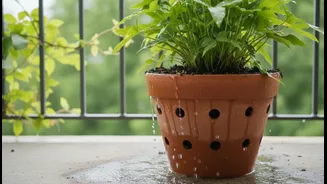
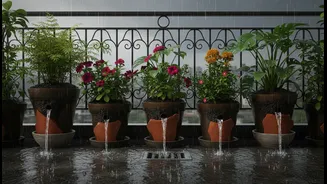
The first line of defence is the pot itself. Ensure every container has adequate drainage holes to allow excess water to escape quickly. If you have decorative pots without holes, use them as cachepots—place a smaller nursery pot with holes inside the decorative one, and be sure to empty any collected water from the outer pot. Elevating your pots is another simple yet highly effective strategy. Placing them on plant stands, bricks, or 'pot feet' prevents the base from sitting in stagnant water and improves air circulation. On covered balconies, be mindful that not all plants will get wet, so always check the soil before watering.
Rethink Your Soil: The Perfect Monsoon Mix
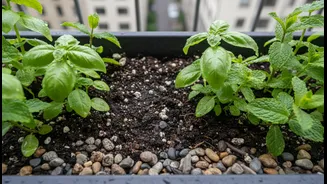
Heavy garden soil can become compacted and muddy during the monsoon, retaining too much water. A well-aerated potting mix is crucial for good drainage. You can create your own by blending materials that create air pockets and allow water to pass through. A popular base mix for the Indian climate includes cocopeat (for moisture retention), compost or vermicompost (for nutrients), and an aeration component like coarse sand or perlite. A good recipe to start with is 40% cocopeat, 30% compost, and 30% sand or perlite. This blend stays light and prevents the soil from becoming waterlogged.
Adapt Your Watering Habits
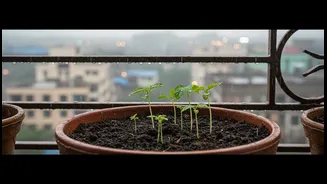
One of the most common mistakes is to continue a regular watering schedule during the monsoon. The ambient moisture and rainfall often provide plants with all the water they need. Before watering, always check the top one to two inches of soil with your finger. If it feels damp, hold off. Overwatering is a leading cause of plant death in container gardens, and this risk is magnified during the rainy season. Succulents and cacti are especially vulnerable and may need to be moved to a sheltered spot to protect them from heavy downpours.
Watch for the Warning Signs
Catching problems early can save your plants. Be vigilant for the tell-tale signs of overwatering and root rot. These include leaves that turn yellow but remain soft and limp, rather than dry and crispy. The plant might look wilted even though the soil is wet. Other symptoms are mushy stems near the base, leaf drop affecting both old and new leaves, and the appearance of mould or fungus on the soil surface. If you notice these signs, you may need to act fast by repotting the plant into fresh, drier soil after trimming away any rotten roots.