


A Canvas of Colour in Gamla Stan
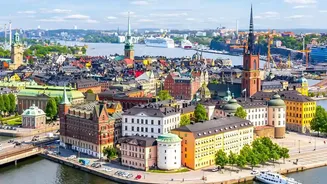
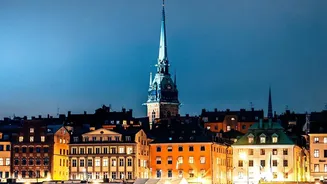
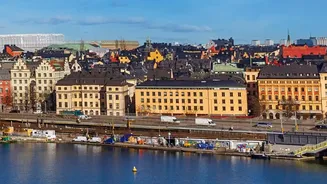
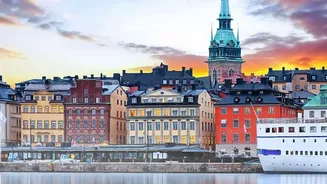
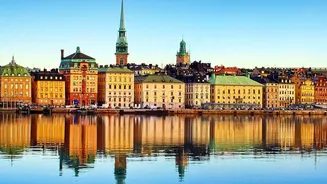
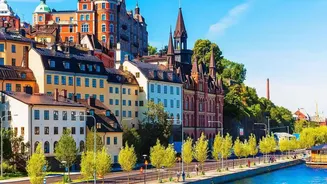
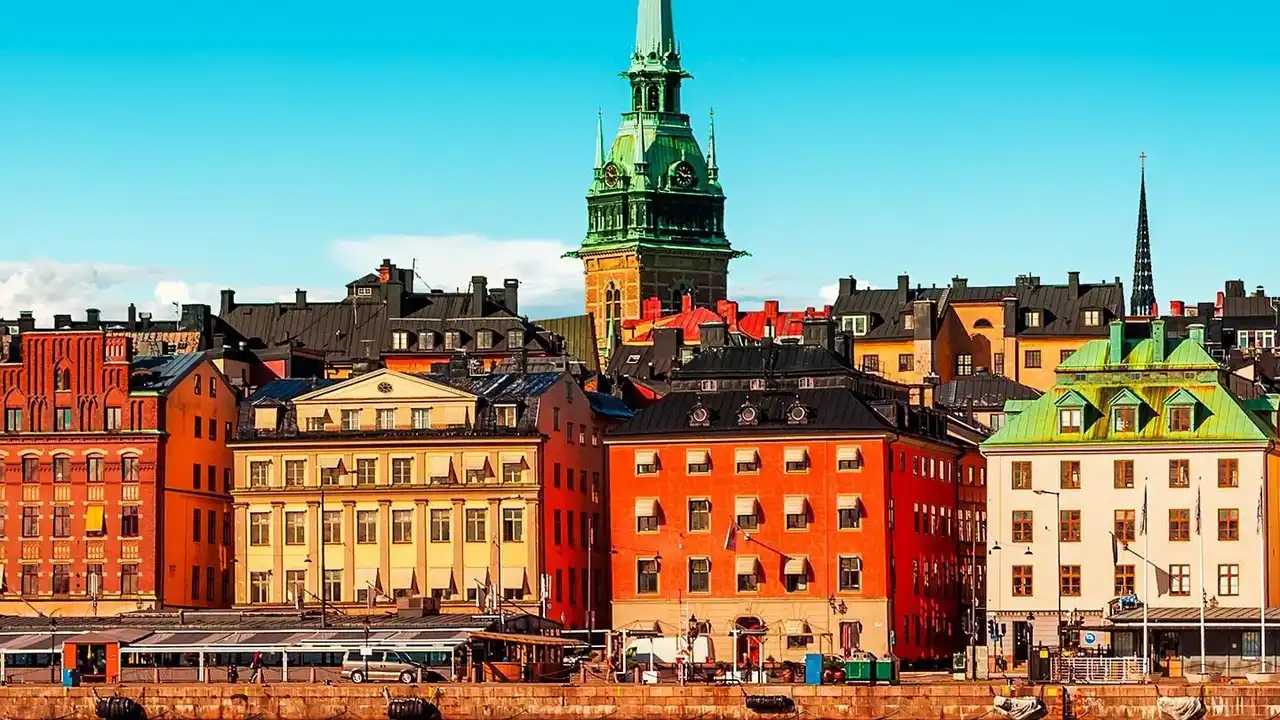
Stockholm’s Gamla Stan, or Old Town, is the undeniable epicentre of this phenomenon. Its central square, Stortorget, is lined with tall, narrow 17th and 18th-century buildings painted in a palette of rich ochre, burnt orange, and warm yellows. These iconic
facades, often dusted with snow in winter or glowing under the long summer sun, create a scene that feels plucked from a storybook. For photographers, the appeal is magnetic; the combination of cobblestone streets, medieval architecture, and vibrant colours provides a perfect composition. Despite its cheerful appearance today, the square holds a dark history, once the site of the 1520 Stockholm Bloodbath. Now, it serves as a bustling hub where tourists and locals gather, its colourful buildings offering a warm, photogenic backdrop to daily life.
The History Behind the Hues
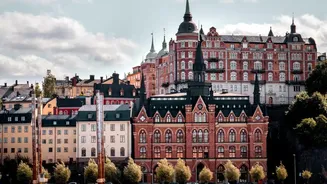
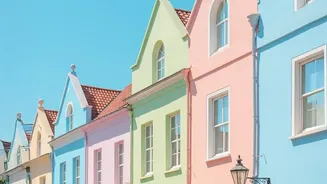
While Sweden’s countryside is famously dotted with Falu red cottages—a colour derived from a copper mine that became a symbol of pastoral life—the cities tell a different story. In the 17th and 18th centuries, the wealthy merchants of Stockholm and other towns wanted to emulate the grand brick and sandstone buildings of continental Europe. Unable to afford the expensive materials, they used plaster and paint to create the illusion of opulence. Shades of yellow, pink, and orange were chosen to mimic prestigious materials, turning entire streets into a display of status and aspiration. Over time, these colours became part of the urban identity, a practical solution that has since evolved into a cherished aesthetic, bringing cheer to the long, grey Nordic winters.
Visby: A Hanseatic Jewel Box
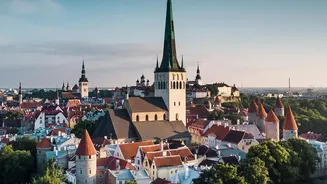
Beyond the capital, the island of Gotland is home to Visby, a UNESCO World Heritage site and one of the best-preserved medieval cities in Scandinavia. Known as the 'city of roses and ruins', Visby’s charm lies in its ancient defensive wall, historic church ruins, and winding cobblestone lanes lined with colourful houses. Once a powerful hub in the Hanseatic League, the town's architecture reflects its prosperous trading past. Today, photographers are drawn to its unique blend of history and natural beauty. The colourful facades, often adorned with climbing roses, create a fairytale-like atmosphere that is both dramatic and serene, making it a dream destination for capturing a different side of Sweden's medieval past.
The Modern Photographer's Muse
The attraction to these towns is about more than just pretty colours. The unique quality of Nordic light, which is often soft and diffused, interacts beautifully with the pastel facades, creating shifting moods throughout the day. Photographers speak of the 'golden hour' when the low sun makes the colours glow, and even on overcast days, the buildings provide a vibrant contrast to the grey sky. The narrow streets create natural leading lines, while the textures of aged plaster and cobblestones add depth. In an age of social media, these visually striking scenes are immensely shareable, turning historic town squares and quiet alleys into globally recognized landmarks and inspiring countless travellers to see and capture the beauty for themselves.
Discovering Other Colourful Corners
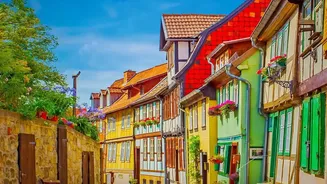
While Stockholm and Visby are the most famous, the charm of colourful, historic architecture can be found across Sweden. In the south, the town of Ystad in the Skåne region boasts well-preserved medieval half-timbered houses, many of which are painted in soft, pleasing hues that add to its storybook quality. Similarly, Sigtuna, Sweden's oldest town, situated on the shores of Lake Mälaren, offers a picturesque waterfront and historic core that invites exploration. These smaller towns provide a quieter but no less beautiful experience for those looking to capture the unique intersection of Swedish history and architectural colour.