




The Invisible Ripener in Your Fruit Bowl
The secret agent of spoilage is ethylene, a natural plant hormone released as a colorless, odorless gas. This gas is crucial for the ripening process, triggering the changes that make fruit softer, sweeter, and more aromatic. Think of it as a biological
switch that signals a piece of fruit to mature. However, once a fruit reaches peak ripeness, continued exposure to ethylene accelerates its decline into an overripe, mushy state, contributing to food waste. Understanding this process is the first step toward gaining control over the lifespan of your produce.
Know Your Producers: The Ethylene Gassers
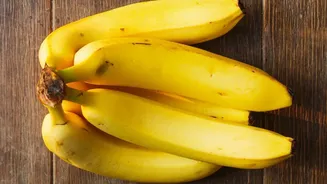
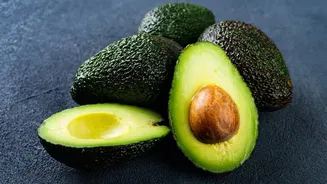
Some fruits are prolific ethylene producers, releasing high levels of the gas as they ripen. These are the items that can speed up the ripening of everything else around them. The most common high-ethylene emitters you'll find in your kitchen include apples, bananas, avocados, peaches, pears, plums, and tomatoes. Even cantaloupe and mangos are significant producers. Storing these fruits should be done with care, as they act as powerful ripening agents for their neighbors in the fruit bowl or refrigerator drawer.
The Sensitive Bunch: Fruits That React to Ethylene
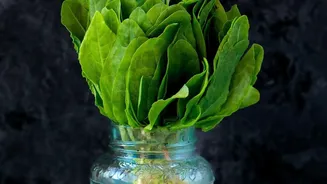
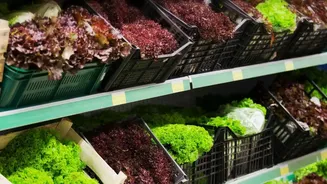
On the other side are fruits and vegetables that are highly sensitive to ethylene. When exposed to the gas, they can spoil with surprising speed. This sensitive group includes most leafy greens (like lettuce and spinach), broccoli, carrots, and cucumbers, which can turn yellow, limp, or bitter. Even some fruits, like berries and grapes, are vulnerable. Storing an ethylene producer like a ripe banana next to ethylene-sensitive produce is a recipe for accelerated decay. For instance, ethylene exposure can cause broccoli florets to yellow and leafy greens to wilt prematurely.
Strategic Storage: Your Game Plan for Freshness
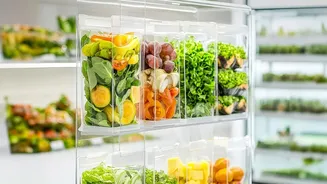
The key to longer-lasting fruit is simple separation. Keep high-ethylene producers away from ethylene-sensitive items. This might mean dedicating one fruit bowl for apples and bananas, and another for citrus fruits. Another effective strategy is to use your refrigerator wisely. Cold temperatures slow down the production of ethylene and the ripening process. For example, once stone fruits like peaches and plums ripen on the counter, moving them to the fridge can extend their life. For high-gassers like apples, storing them in a crisper drawer can help contain the gas. And a pro-tip for bananas: wrapping the stems can slow the release of ethylene, giving you a few extra days of freshness.
Beyond Ripening: The Nutrient Connection
Slowing down the ripening process does more than just prevent mushy textures; it also helps preserve the nutritional value of your fruit. As ethylene drives a fruit past its peak, the process of decay begins to break down its cellular structure. This degradation can lead to a loss of valuable nutrients, including vitamins. By managing ethylene exposure and storing fruit correctly, you ensure that it not only lasts longer but also retains more of the vitamins and minerals that make it a healthy choice in the first place. Proper storage means you’re getting more nutritional bang for your buck.