




The Challenge: A Pricy Trip for Martian Souvenirs
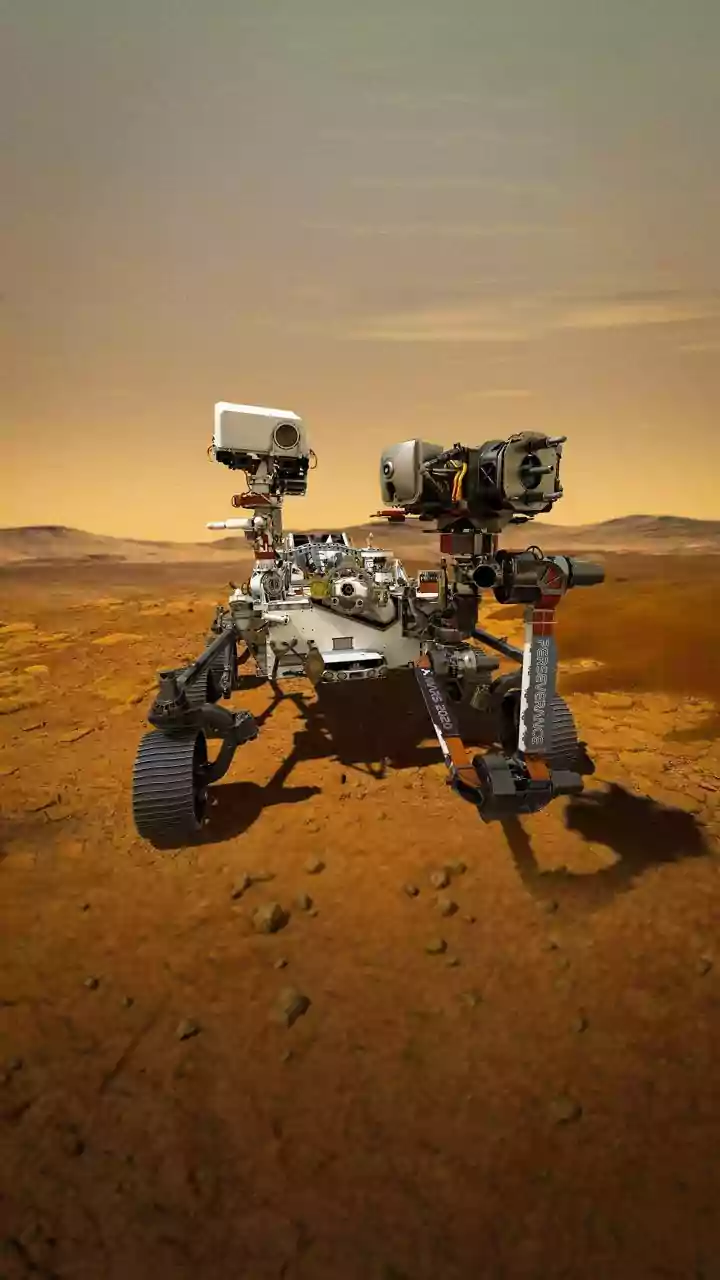
For years, NASA's Mars Sample Return (MSR) mission has been a top priority. The goal is audacious: bring back rock and soil samples collected by the Perseverance rover for detailed study on Earth. These samples could revolutionize our understanding of
Mars and potentially answer whether life ever existed there. However, the mission's complexity has led to major problems. An independent review found the original plan was at high risk of costing over $10 billion and wouldn't return samples until 2040, a far cry from initial estimates. Faced with ballooning costs and a delayed timeline, NASA decided it was time to explore other options, opening the door for new ideas and new partners.
NASA's New Strategy: A Call for Commercial Help
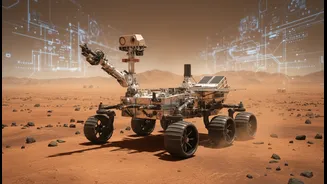
Instead of sticking with the troubled plan, NASA and its Jet Propulsion Laboratory (JPL) pivoted. They turned to the commercial space industry, which has a growing reputation for innovation and efficiency. The agency announced the Science Transport and Robotic Innovation for Deployment and Exploration (STRIDE) initiative. This program essentially asks private companies to help figure out better, more nimble ways to explore the Martian surface. The immediate goal is to develop next-generation robotic systems that can travel further and access more challenging terrain than current rovers like Curiosity and Perseverance.
The Seven Companies on Deck
NASA selected seven companies for the initial STRIDE contracts. The list includes a mix of established aerospace giants and newer, specialized firms: AeroVironment, Astrobotic, Venturi Astrolab, Ground Control Robotics, Honeybee Robotics, Intuitive Machines, and MEI Technologies. Each of these companies brings unique expertise to the table, from building lunar landers to developing advanced robotics and aerial systems. This diverse group reflects NASA's desire to cast a wide net for innovative solutions to the mobility challenges on Mars, which have plagued rovers since the first missions in the 1990s and 2000s.
Managing Expectations: What These Contracts Are Not
This is the crucial part. While the news is exciting, it's important to understand the scale of these contracts. The total potential value for all seven awards is approximately $17 million, with work set to begin in the fall of 2026. These are not contracts to build the final hardware for a Mars mission. Rather, they are for studies and technology development. Think of it as NASA paying for homework assignments. The companies will develop concepts and technologies for advanced mobility systems. This is a very early step in a long process of vetting new approaches. It’s a search for ideas, not a commitment to a specific vehicle or company.
The Strongest Claims vs. Sober Reality
The strongest claims you might hear are that one of these companies has a guaranteed ticket to Mars, or that the Mars Sample Return mission is now saved. The reality is far more measured. These STRIDE contracts are focused on future mobility platforms and are separate from, though related to, the broader MSR challenge. Other companies, like Lockheed Martin and Rocket Lab, have proposed their own comprehensive, lower-cost architectures to salvage the sample return mission itself. The STRIDE contracts are a piece of the puzzle, aimed at improving NASA's overall capabilities on the Red Planet. They represent an investment in technology that might be used for MSR or for other future missions entirely. The path to returning Martian samples is still being drawn, and these contracts are just one of many steps in that journey.