





The Invisible Threat of Cross-Contamination
The most significant reason to keep old and new fruit separate is to prevent cross-contamination. When fruit is cut, its protective skin is broken, exposing the moist, sugary flesh—an ideal breeding ground for bacteria. Even when refrigerated, leftover
cut fruit can harbor microorganisms like Salmonella, E. coli, and Listeria. When you add fresh, clean fruit to a container with older fruit, you are essentially introducing the new batch to an established colony of microbes. These pathogens can easily transfer from the older pieces to the new ones, contaminating the entire bowl and increasing the risk of foodborne illness. Think of it as a domino effect; one contaminated piece can quickly compromise the safety of the whole portion.
Accelerating the Spoilage Process
Beyond the safety risks, mixing fruit of different ages speeds up spoilage. The microorganisms already present on the older fruit will immediately begin to break down the sugars and tissues of the fresh fruit. This process accelerates fermentation and decay, causing the entire mixture to go bad much faster than if the fresh fruit were stored alone. You might notice the newer pieces becoming soft, discolored, or developing off-odors and flavors more quickly. The moisture released from the older, deteriorating fruit also creates an even more hospitable environment for mold and yeast to thrive, turning your entire fruit salad into a mushy, unappetizing mess in a shorter amount of time.
Compromising Taste and Texture
From a purely culinary perspective, mixing old and new fruit creates a subpar eating experience. Freshly cut fruit is prized for its firm texture, vibrant color, and crisp taste. In contrast, fruit that has been sitting for a day or two, even when properly refrigerated, will have inevitably lost some of its structural integrity. It becomes softer, sometimes even mealy or soggy. Combining these two different textures is often unpleasant. Imagine biting into a crisp, juicy piece of new melon, followed by a soft, slightly fermented piece from yesterday's batch. By keeping them separate, you ensure that you can enjoy each serving of fruit at its optimal quality, preserving the delightful sensory experience it's meant to provide.
Best Practices for Storing Cut Fruit
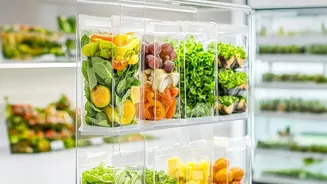
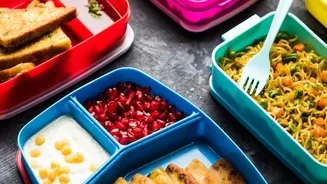
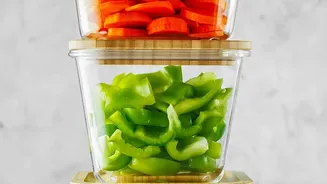
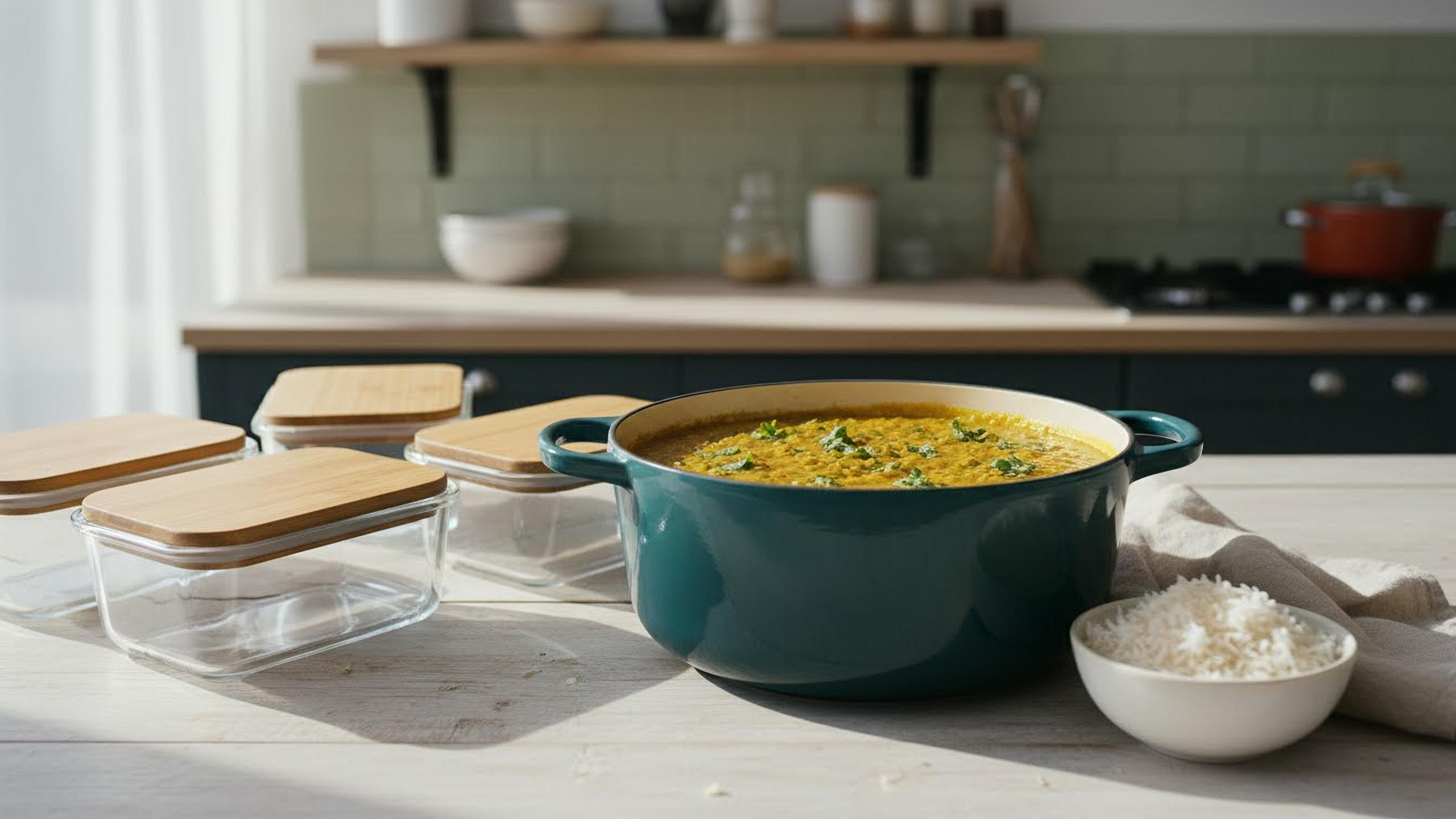
To keep your cut fruit fresh and safe for as long as possible, it's crucial to follow proper storage techniques. Always wash your hands and preparation surfaces before handling produce. Wash fruits thoroughly under running water, even those with rinds like melons, to remove surface bacteria before you cut into them. Once cut, store fruit in a clean, airtight container in the refrigerator at or below 40°F (about 4°C). To manage leftovers, adopt a "first in, first out" (FIFO) approach. Always use up the older batch of cut fruit before opening a container with a newer batch. If you prepare a large amount of fruit, portion it into several smaller containers rather than one large one. This way, you only expose one portion to the air at a time, keeping the rest pristine.