


More Than Just a Main Event
Across India, a new kind of festival is taking shape. While traditional rituals and religious observances remain at the heart of many celebrations, there is a growing trend towards creating holistic cultural destinations. Organisers are curating experiences
that go beyond a single focus, transforming festival grounds into sprawling showcases of regional identity. This evolution is a response to a new generation of travellers who seek deeper engagement and authentic connections. Instead of just being passive observers, visitors are now invited to participate, learn, and immerse themselves in the local culture through a variety of engaging activities. This shift is turning festivals into primary travel destinations themselves.
A Hub for Artisans and Local Crafts
A key feature of this expansion is the rise of bustling artisan markets and craft bazaars. At events like Gujarat's Rann Utsav, the white desert landscape is dotted with stalls where visitors can buy authentic Kutchi handicrafts directly from the artisans. These markets are more than just shopping opportunities; they are a direct line to the region's creative soul. From the intricate mirror-work embroidery of Kutch to the unique bamboo crafts of the Apatani tribe at Arunachal's Ziro Festival of Music, these platforms support local economies and help preserve generational skills. For travellers, it offers a chance to acquire meaningful souvenirs and learn the stories behind the crafts.
A Stage for Living Traditions
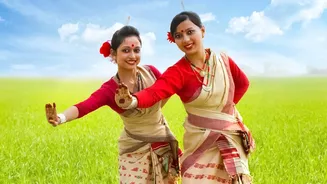
Folk performances have become a central pillar of the modern festival experience, offering a vibrant window into India's diverse cultural tapestry. Nagaland's Hornbill Festival, known as the "Festival of Festivals," is a prime example. It brings together all 17 recognised Naga tribes to perform warrior dances, sing folk songs, and share their unique customs at the Kisama Heritage Village. Similarly, festivals like Rajasthan's Pushkar Camel Fair and Kullu Dussehra in Himachal Pradesh feature days of folk music and dance performances that draw crowds from all over. These events serve as crucial platforms for preserving and popularising oral histories and performance arts that might otherwise fade.
Curated for the Modern Traveller
This evolution is driven by the changing desires of travellers, particularly younger Indians who prioritise unique, shareable experiences over conventional sightseeing. Festivals are now offering everything from interactive workshops and indigenous games to culinary tours and adventure sports. At Rann Utsav, visitors can take part in artisanal workshops or go on a camel safari across the salt desert. The Hornbill Festival features events like Naga wrestling and chilli-eating contests alongside a contemporary rock contest. The Ziro Festival of Music, set in a picturesque valley, combines independent music acts with opportunities to explore Apatani villages and learn about their sustainable farming practices. This curated approach ensures that a trip to a festival is a well-rounded and memorable journey.
A Boost for Culture and Commerce
The impact of this festival expansion is twofold. Economically, it provides a significant boost to local communities. Tourism channels money directly to artisans, performers, small guesthouse owners, and food vendors, creating a sustainable model for rural and regional development. Culturally, these festivals foster a renewed sense of pride and help keep traditions alive for younger generations. By creating a permanent venue like the Naga Heritage Village at Kisama, which was built in 2003, state governments are investing in infrastructure that promotes tourism and preserves cultural identity year-round. This fusion of culture and commerce is creating a powerful new reason to travel within India, offering experiences that are both entertaining and deeply meaningful.