




A More Authentic Voice for India
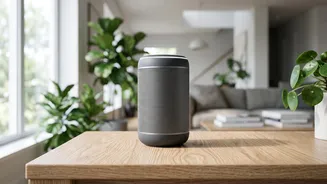
OpenAI recently announced an update to its voice model, called GPT-Live-1.1, which includes two new, specifically designed Hindi voices named 'Neer' and 'Leher'. This isn't just about translation; it's about creating a more natural and authentic conversational
experience. Early versions of voice AI often struggled with Indian accents and languages, but this update aims to make interactions smoother, with better pronunciation and fewer robotic-sounding fillers. The move is part of a broader strategy by OpenAI to cater to the Indian market, which the company acknowledges is a 'voice-first' environment where users often prefer dictation over typing. According to company executives, the number of ChatGPT users in India has doubled in the past year, making it a critical market for growth.
Why 'Natural' Pronunciation Matters
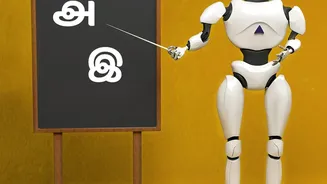
For any Hindi speaker, the idea of a single 'correct' pronunciation is a myth. The language is incredibly diverse, with accents, dialects, and cadences that change from state to state, and even city to city. A generic, one-size-fits-all AI voice can feel jarring and unnatural. By developing what it calls a 'Hindi-tuned model', OpenAI is attempting to capture some of this linguistic richness. The goal is to create an AI that not only understands different Indian accents but can also respond in a way that feels familiar and comfortable. This focus on localization acknowledges that for AI to be truly useful across India, it must speak the languages of its users—not just literally, but with cultural and regional nuance. This also includes handling 'Hinglish', the common practice of mixing Hindi and English words in a single sentence, which has been a major challenge for voice assistants.
The Technology Behind the Talk
Creating these more natural voices involves sophisticated AI training. The new GPT-Live-1.1 model is designed for more seamless back-and-forth conversation. This means users can interrupt the AI or speak more naturally without long, awkward pauses. The system is engineered to have lower latency, reducing the delay between you speaking and the AI responding. For users, this translates to a conversation that feels less like a command-and-response session and more like a genuine dialogue. OpenAI’s CTO of Applications, Vijaye Raji, has stated that the company is actively learning from how Indians use voice notes and interact with technology in an Android-first market, often with intermittent internet connectivity, to build a more resilient and tailored product.
Understanding Regional Availability
The headline's mention of 'regional availability varying' is a crucial caveat. The rollout of new features like Neer and Leher is often gradual. Not every user will see these new voice options in their app at the same time. Availability can depend on your account type (Free, Go, or Plus), your device, app version, and geographic location within India. OpenAI often tests features with specific user groups before a wider release. This phased approach allows the company to gather feedback and make adjustments. So, if you open ChatGPT and don't see the new Hindi voices yet, it's likely because the update hasn't reached your account. Users are advised to keep their app updated and check the voice settings periodically.
The Bigger Picture for AI in India
This update is more than just a new feature; it's a strategic move in the race for dominance in India's burgeoning AI landscape. As a massive and diverse market, India represents a huge opportunity for tech giants. OpenAI's appointment of a dedicated Managing Director for India and its focus on local languages signal a serious commitment. This push for better voice integration is also happening as OpenAI begins to introduce ads on its free and lowcost plans in India, creating a platform where businesses can reach customers through both text and voice. By making its flagship product more accessible and userfriendly for a nonEnglishspeaking audience, OpenAI is positioning itself not just as a tool for techsavvy urbanites, but as a utility for a much broader swathe of the Indian population.