






The End of the Orange Paper Card
Australia is replacing its long-standing paper Incoming Passenger Card with a digital system called the Australia Travel Declaration (ATD). This marks one of the most significant changes to the country's border processing in decades. Instead of manually
filling out the familiar orange form on the plane, travellers will be able to submit their customs and biosecurity declarations online before they even land. The A$56.1 million federal government initiative is designed to reduce paperwork, streamline passenger processing, and improve security. The new system provides border authorities with passenger information earlier, helping them to identify security and biosecurity risks more effectively.
How the New Digital System Works
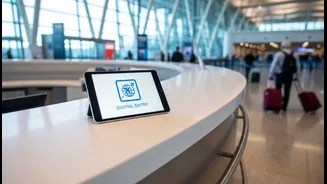
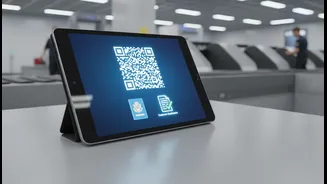
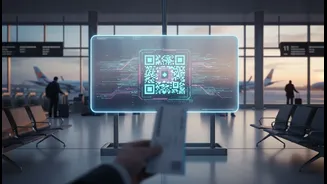
The process is straightforward. Travellers can complete the ATD up to 72 hours before their flight. Initially, this will be done through a web-based form, with plans to integrate the system into airline apps in the future. After submitting the declaration, passengers receive a unique QR code via email or within the app. This code is then scanned by Australian Border Force officers upon arrival, replacing the need to hand over a physical card. The change means no more balancing a card on your tray table or searching for a pen after a long-haul flight.
When and Where Are These Changes Happening?
The transition to the Australia Travel Declaration is already underway. A successful pilot program involving over 450,000 passengers on select Qantas flights into Sydney, Melbourne, and Brisbane has been running since October 2024. The government has announced a phased national rollout over the next 12 to 18 months. The program will be extended to Perth and Adelaide before the end of 2026, with all international airports and seaports expected to be covered by 2027. During this transition period, paper arrival cards will still be available for those who need them or at entry points where the digital system is not yet active.
The Real-World Benefit for Travellers
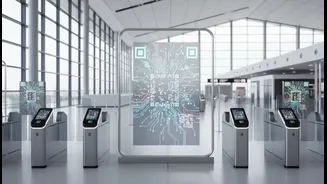
The primary benefit is a more predictable and efficient arrival. By completing declarations in advance, the time spent in immigration queues should be significantly reduced. This newfound reliability makes planning your arrival far easier. You can book a connecting domestic flight, arrange an airport transfer, or schedule a post-landing meeting with greater confidence, knowing you won’t be held up by manual paperwork processing. The goal is to get visitors out of the airport and on with their trip as quickly as possible. This move is part of a broader push towards a seamless, contactless border experience, which may eventually include more widespread use of biometric screening to further cut down wait times.
What This Means for Indian Travellers
For the thousands of Indian students, tourists, and professionals who travel to Australia each year, this change promises a more convenient entry process. Once the system is rolled out at their arrival airport, eligible travellers will be able to use the digital declaration. This is particularly welcome news for those arriving tired after long flights, streamlining what has often been a frustrating part of the journey. While SmartGate e-passport kiosks have already helped speed up processing for eligible passport holders, the digital declaration removes another layer of manual work for everyone, aiming for a faster journey from the gate to the exit. Travellers should continue to check the latest entry requirements for their specific airport, as the paper system remains in use during the phased rollout.