

The Post-Monsoon Promise
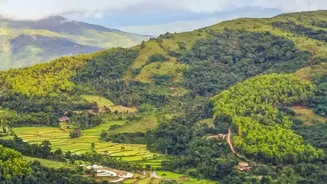
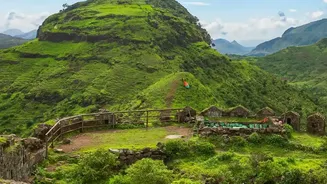
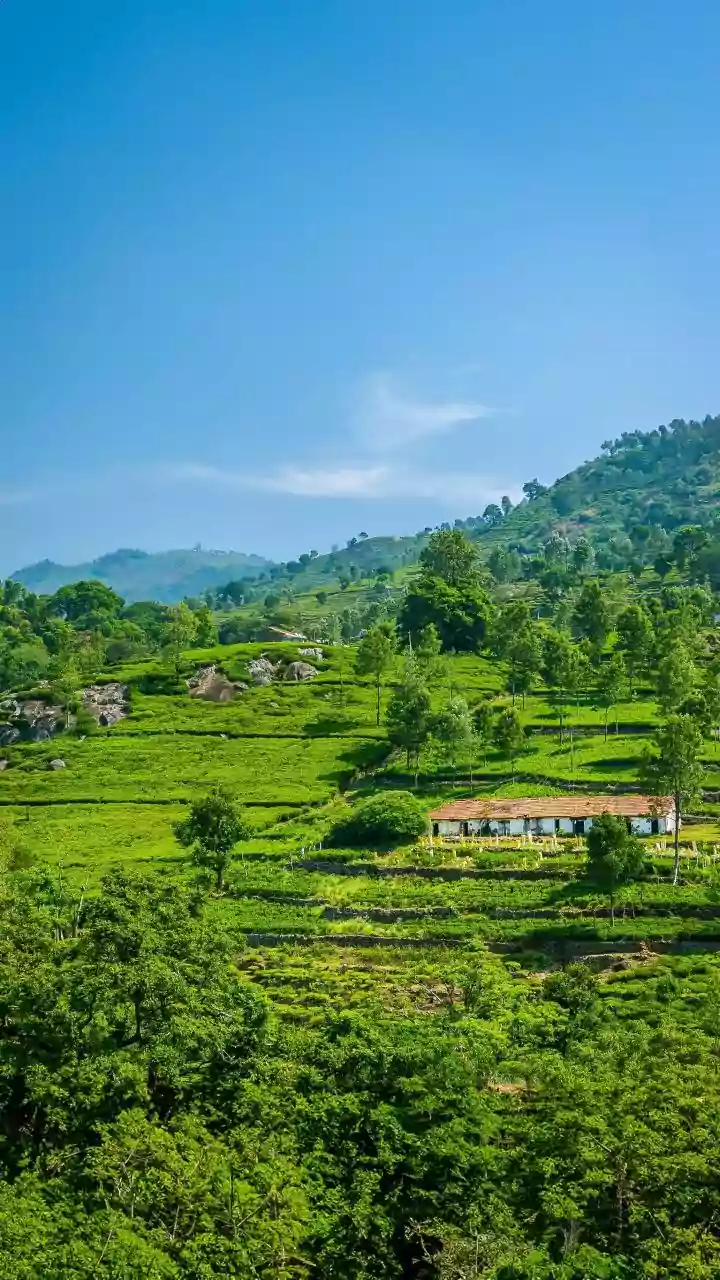
The period from late September to November offers the perfect balance for a trip to Mahabaleshwar. The heavy rains have subsided, but the landscape retains its vibrant, saturated greenery. This is when the air is crisp, the skies are clearer, and waterfalls
are still fed by the season's bounty. Unlike the peak monsoon, when heavy fog can obscure views and lead to road closures, the post-monsoon window provides better visibility for soaking in the panoramic vistas the hill station is famous for. It’s a time of renewal for nature, and for the traveller seeking that perfect scenic drive through misty mountains.
Charting Your Scenic Course
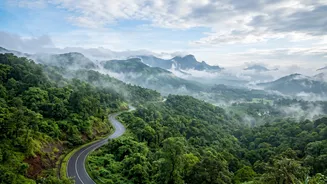
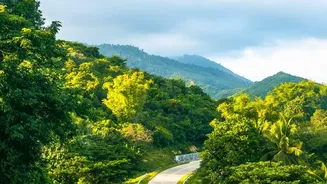
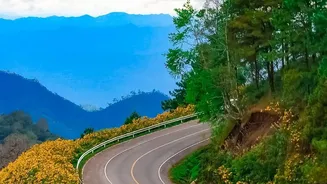
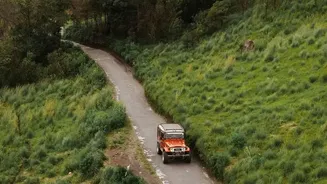
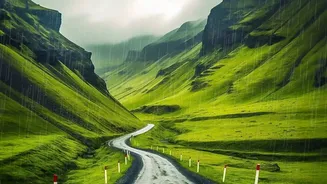
Mahabaleshwar is primarily a road trip destination, and the journey is as much a part of the experience as the destination itself. From Pune, the drive is about 120 kilometres, with the route via NH48 through the Wai and Panchgani ghats being particularly scenic. The climb after Wai takes you through emerald farmlands and past roadside waterfalls that appear as you gain altitude. From Mumbai, the journey is approximately 260 kilometres. While the Mumbai-Pune Expressway is a standard option, a more scenic, albeit challenging, alternative is via NH66 towards Poladpur, followed by a climb up the Ambenali Ghat. This route is renowned for its dense forests, misty valleys, and waterfalls that often spill onto the road, making it a paradise for driving enthusiasts.
Iconic Valley Views
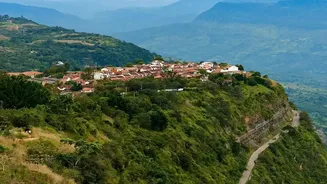
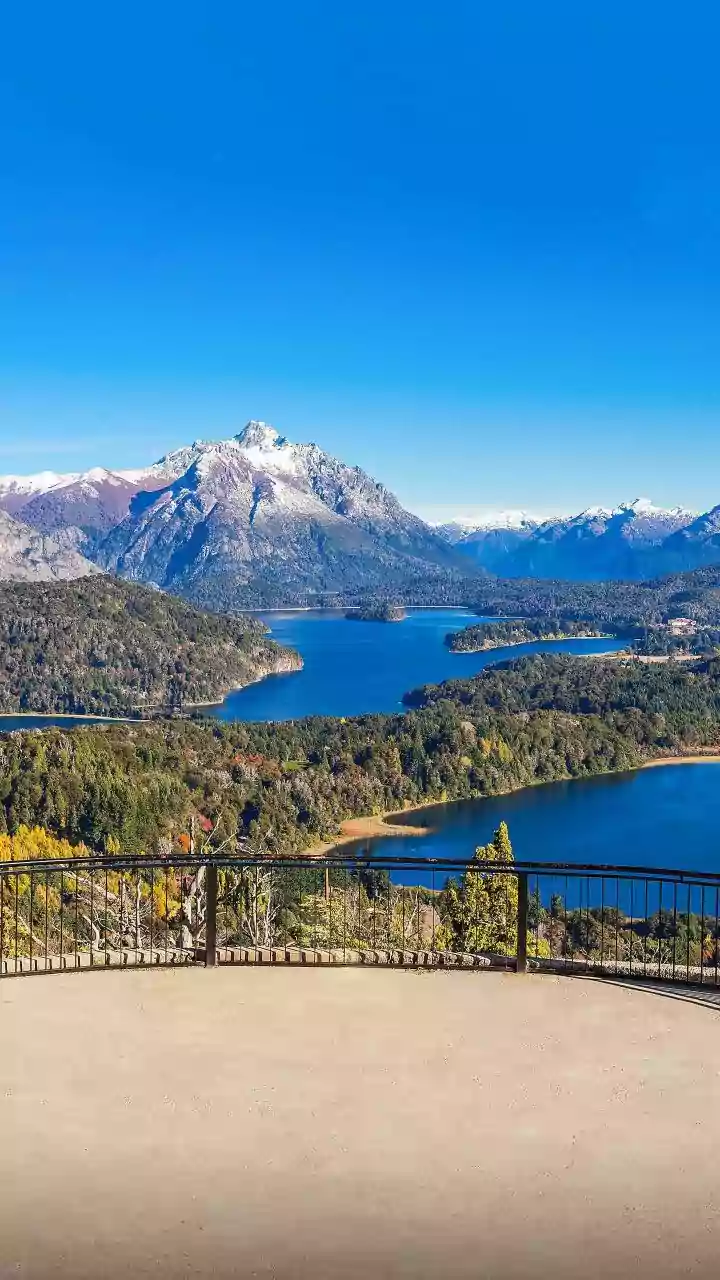
Mahabaleshwar's fame rests on its numerous viewpoints, each offering a unique perspective of the Sahyadri range. Arthur's Seat, often called the 'Queen of all Points', provides a dramatic, panoramic view of the deep Savitri Gorge, drawing a stark contrast between the Deccan and Konkan regions. The post-monsoon air, washed clean of dust, makes the views from here exceptionally clear. Another must-visit is Kate's Point, which offers a stunning vista of the Krishna valley and the Dhom Dam reservoir. Nearby, the Elephant's Head Point or Needle Hole Point is a natural rock formation that genuinely resembles an elephant's head and trunk, offering an uninterrupted view of the mountain ranges.
Chasing Roaring Waterfalls
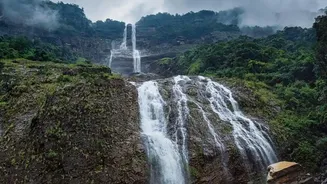
The monsoon's parting gift is the network of magnificent waterfalls that roar to life. Lingmala Waterfall, located about 6 km from Mahabaleshwar, is the most spectacular of them all. In the post-monsoon season, the falls cascade from a height of nearly 600 feet, creating a mesmerising sight. A short trek through a well-maintained path leads you to viewpoints for both a smaller and the main waterfall. Other cascades worth visiting are the Chinaman's and Dhobi waterfalls, which are also at their most impressive during this time, surrounded by lush, verdant forests.
Lakes, Berries, and Local Charm
Beyond the viewpoints and waterfalls, Venna Lake offers a serene escape. Surrounded by trees, it’s a popular spot for boating or simply enjoying a quiet evening. While peak strawberry season is from December to March, many farms and places like Mapro Garden are open post-monsoon, offering delicious strawberry-based treats like fresh cream and ice cream. No trip is complete without a stroll through the main Mahabaleshwar market, where you can shop for local handicrafts, honey, and indulge in roasted corn on the cob, a perfect snack for the cool weather.
Essential Travel and Driving Tips
When planning your post-monsoon drive, always check the latest road conditions, especially if you intend to take the more adventurous ghat routes, which can be prone to slipperiness. Ensure your vehicle's tyres, brakes, and wipers are in excellent condition. It's advisable to start your journey early to make the most of daylight and avoid traffic. Pack layers of clothing, as the weather can change quickly, and a sturdy pair of walking shoes is essential for exploring the viewpoints and waterfall trails, which can be wet and slippery. While the rain has eased, carrying a light rain jacket or umbrella is always a wise decision.