




What is the Hidden Lotus Pose?
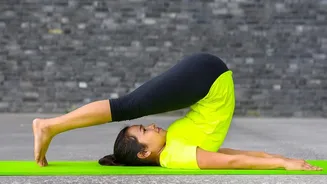
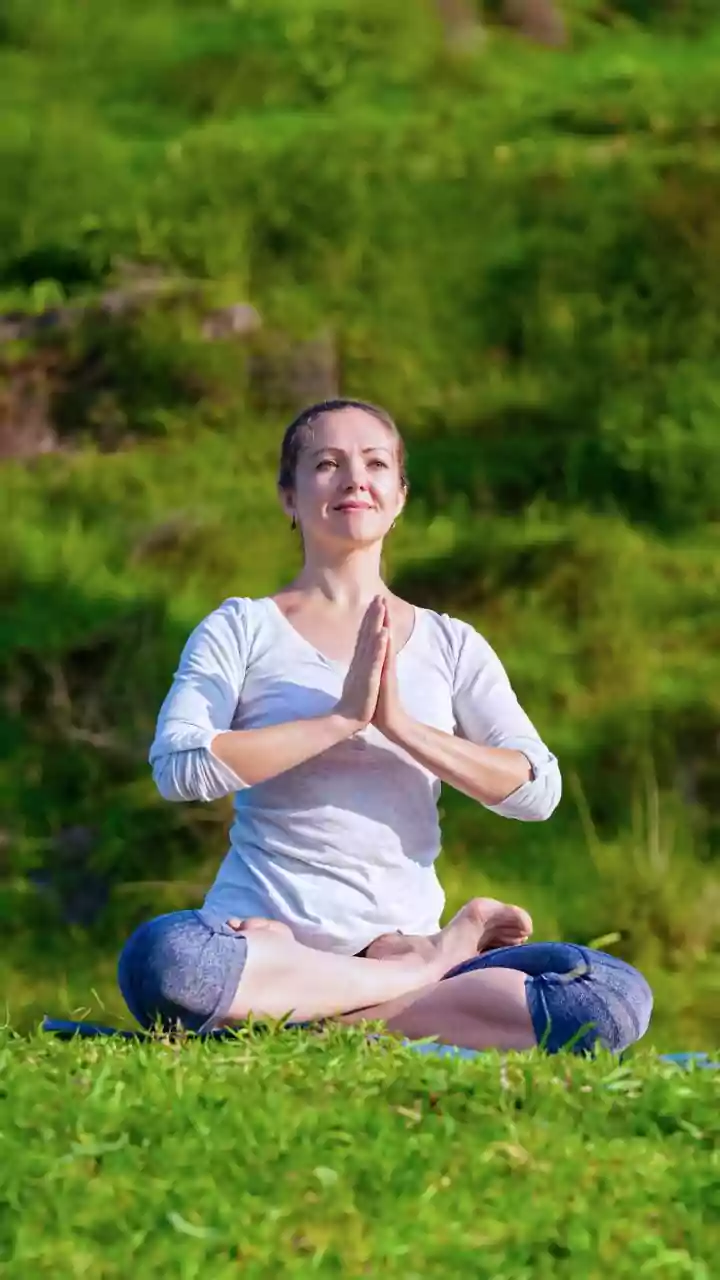
Gupta Padmasana, or the Hidden Lotus Pose, is an advanced yoga asana that requires immense flexibility and control. The pose begins in the classic Padmasana (Lotus Pose), where each foot is placed on the opposite thigh. From there, the practitioner moves
forward, lowering their torso to the ground until the chest and chin are resting on the mat. To complete the posture, the arms are brought behind the back, often with palms joined in a reverse prayer position. As demonstrated by Shilpa Shetty, the final form is a deep forward bend combined with a complex leg lock and shoulder opener. It demands significant external rotation in the hips, along with flexibility in the knees, ankles, spine, and shoulders.
The Real Risks for Beginners
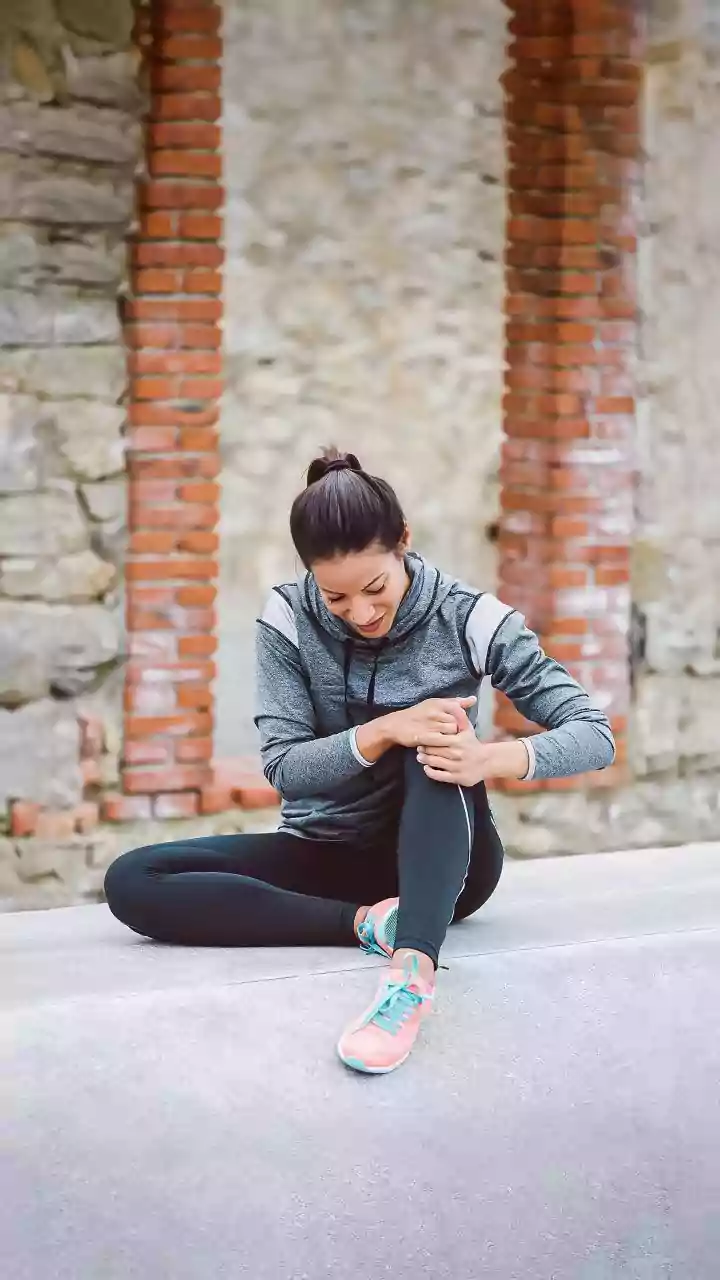
Attempting a pose like Hidden Lotus without adequate preparation is a recipe for injury. The primary danger lies in the knees. The deep rotation required for Lotus Pose should come from the hip joints. For most beginners, and even many seasoned practitioners, the hips simply don't have that range of motion. When the hips can't rotate sufficiently, the force is transferred directly to the knee joint, which is a hinge joint not designed for deep twisting. This can lead to serious injuries, including meniscus tears and ligament strain. Furthermore, forcing the forward bend can strain the lower back, while the arm bind can injure the shoulder joints if they lack the necessary mobility. Pain is a clear signal to stop immediately.
Embrace 'Ahimsa': The Principle of Non-Harming
At the core of yoga philosophy is the principle of 'Ahimsa', which translates to non-harming or non-violence. This fundamental tenet doesn't just apply to how we treat others; it's also about how we treat ourselves. On the yoga mat, practicing Ahimsa means listening to your body, respecting its limits, and not pushing into pain for the sake of achieving a shape. It’s about cultivating self-compassion and kindness, understanding that your yoga journey is unique to your body. Forcing a pose your body isn't ready for is a form of self-violence ('himsa') that goes against the very essence of the practice. Yoga is not a competition; it is a personal exploration of mind and body.
Foundations First: What to Practice Instead
Instead of jumping to advanced postures, beginners should focus on building a strong and safe foundation. Start with basic poses that prepare the body for deeper work over time. To build the hip flexibility needed for poses like Lotus, work on gentle openers such as Sukhasana (Easy Pose), Baddha Konasana (Bound Angle Pose or Butterfly Pose), and Janu Sirsasana (Head-to-Knee Pose). Foundational poses like Tadasana (Mountain Pose), Adho Mukha Svanasana (Downward-Facing Dog), and Virabhadrasana II (Warrior II) build strength, stability, and body awareness. Focusing on consistency with these basics is far more beneficial and sustainable than sporadically attempting complex poses.
Your Path to Safe Progression
Progress in yoga is a gradual process that unfolds over months and years, not days. The key is consistency over intensity. A safe progression involves starting with shorter, simpler practices and slowly increasing duration and complexity as your body adapts. Pay close attention to proper alignment to avoid developing bad habits. If possible, learn from a qualified instructor who can provide personalized guidance and ensure you are moving safely. Remember that flexibility is not the only goal; building stability and awareness is just as important. The journey to an advanced pose is built one foundational practice at a time, always respecting your body's individual structure and limits.