
Beyond the Checklist
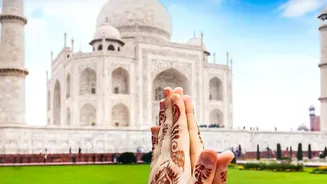
For decades, travel was often treated like a scavenger hunt. The goal was to tick off as many famous sites as possible, from the Eiffel Tower to the Taj Mahal. This 'checklist' approach, however, is giving way to a more profound desire for 'experience-led'
travel. Instead of simply seeing a place, the new goal is to feel it. This means prioritising authentic connections, personal growth, and creating unique memories over just getting the perfect photo. Recent reports highlight that a significant number of travellers now actively plan to avoid overcrowded destinations, seeking a more intentional and meaningful engagement with the places they visit. It’s a move from passive sightseeing to active participation, transforming travel from a simple break into a life-enriching pursuit.
The Quest for Authenticity and Connection
What’s driving this change? A major factor is the pushback against 'overtourism', where popular spots are so overwhelmed by visitors that the local charm is lost and infrastructure is strained. Travellers are becoming more conscious of their impact, preferring to support local communities directly rather than large corporate chains. This has fueled a boom in homestays, community-led tourism, and 'slow travel', where visitors stay in one place for longer to soak up the local culture. In India, this trend is visible as vacationers skip chaotic hill stations for quieter, tucked-away villages in places like Himachal Pradesh's Sainj Valley. The desire is no longer just to see a different place, but to understand a different way of life, leading to more authentic interactions with locals.
What Does an Experience-Led Trip Look Like?
So, what are people doing instead of waiting in line? They are immersing themselves in activities that offer genuine insight and skill-building. Culinary tourism, for example, is a massive and growing trend. Travellers are signing up for cooking classes in rural Italy, taking food history tours through ancient cities, or exploring spice plantations in Kerala. It's about tasting a culture, not just observing it. Wellness travel has also evolved beyond simple spa days. It now includes 'elemental wellness'—using heat, cold, and water through practices like sauna and cold plunge cycles—and stargazing in dark-sky reserves. Other popular experiences include learning traditional crafts like pottery from local artisans, joining conservation-focused wildlife tours, or embarking on physically and mentally challenging treks in remote landscapes like Spiti Valley.
The Rise of Transformative Travel
This movement goes even deeper than experiences; it edges into the realm of 'transformative travel'. This isn’t just about having a good holiday; it’s about returning home a slightly different person. These journeys are designed to challenge perspectives and foster personal growth, whether through volunteering, spiritual retreats in Rishikesh, or solo journeys that build independence. The goal is a durable inner change that outlasts the trip itself. It's a shift from travel that helps you relax and recharge (which fades) to travel that helps you evolve (which persists). For a growing number of people, the ultimate luxury is no longer a five-star hotel, but a five-star experience that provides a new outlook on life.
How to Plan Your Own Immersive Journey
Finding these authentic experiences is easier than ever, thanks to technology and a changing industry. Discerning travellers are increasingly planning their own trips, using digital tools and social media to discover hidden gems and off-the-beaten-path destinations. Instead of searching for 'top 10 attractions', try looking for 'local workshops', 'community-based tourism', or 'farm-to-table dining' in your chosen region. Consider travelling during the 'shoulder season'—the months just before or after the peak tourist rush—for fewer crowds and a more relaxed atmosphere. Ultimately, the key is to shift your mindset: think less about what you want to see and more about what you want to do, learn, and feel.