



The Security Deposit Dilemma
The single biggest factor driving renters towards damage-free modifications is financial. In India, security deposits can range from two to ten months' rent, representing a significant amount of money held by the landlord. The fear of losing a substantial
portion of this deposit over property alterations is a powerful deterrent. Traditional renovation steps, such as painting, drilling major holes, or altering fixtures, can easily be classified as 'damage' beyond normal wear and tear. Landlords are legally permitted to deduct costs for repairs from the deposit, and disputes over what constitutes 'damage' versus 'wear and tear' are common. A small crack can turn into a deduction of thousands of rupees. Damage-free modifications, by definition, promise to leave the apartment in its original state, ensuring a full refund and avoiding exhausting disputes.
A Market of Removable Magic
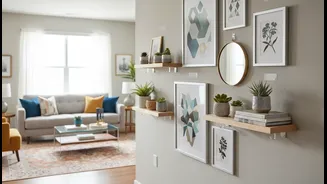
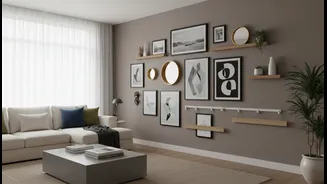
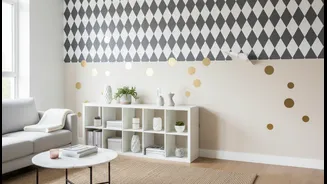
It's not just about avoiding risks; it's also about embracing new possibilities. The market has responded enthusiastically to the needs of the modern renter. A flood of innovative and stylish products now makes it easy to transform a space temporarily. Removable wallpaper and peel-and-stick decals can add a feature wall without a single drop of paint. Temporary backsplash tiles can liven up a drab kitchen, while adhesive hooks and strips allow for hanging art and mirrors without drilling. Even lighting can be upgraded with plug-in sconces or battery-operated picture lights that add a custom look without touching the wiring. This growing ecosystem of products empowers renters to express their personal style creatively and affordably, no permissions required.
The Freedom of Flexibility
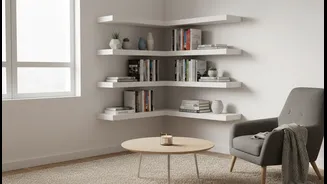
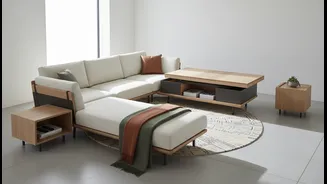
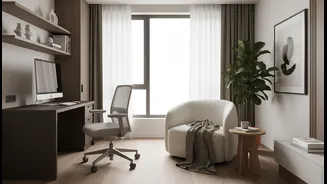
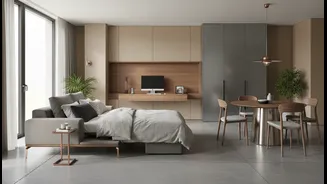
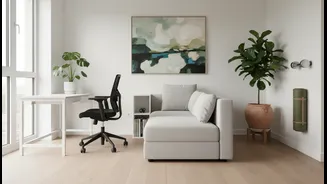
The nature of renting, especially for young professionals and students in urban India, is often transient. A one- or two-year lease is standard, and career opportunities might mean a move to a new city on relatively short notice. Investing significant time, money, and effort into permanent renovations for a space you might occupy for only 24 months makes little sense. Damage-free modifications align perfectly with this flexible lifestyle. They are not just reversible; many are portable. A stylish set of curtains, modular shelving units, or a favourite plug-in light fixture can be packed up and moved to the next home, making them a smarter long-term investment than a fixed renovation that benefits the landlord.
Avoiding Landlord Negotiations
Rental agreements in India are often explicit about alterations. Most leases strictly prohibit structural changes, and even cosmetic ones like painting often require written consent from the landlord. Navigating this can be a hassle. It involves seeking permission, potentially negotiating terms, and hoping for a flexible property owner. Many renters would rather not even start the conversation. Damage-free modifications completely bypass this hurdle. Since they don't alter the property, they generally don't violate the terms of the lease. This approach allows tenants to maintain a good relationship with their landlord by being respectful of the property while still achieving the personalization they desire, creating a win-win situation.
Personalization Without Permanence
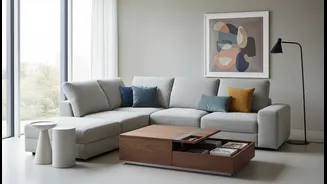
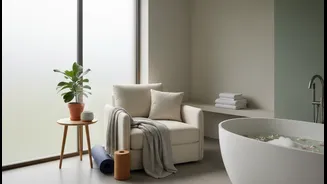
Ultimately, the trend reflects a psychological shift. A home is more than just a place to live; it's a space that should reflect one's personality and provide comfort. For a long time, renters felt they had to accept the generic, neutral shell of their apartment. The rise of temporary modifications is a declaration that a temporary address doesn't mean a life without personal style. It's about taking control of your environment, even within constraints. Modern renters have realised they don't need to own the walls to own the look. They can create a beautiful, personalized, and comfortable home that feels entirely theirs, all while knowing they can pack it up and do it all over again in their next adventure.