



A Symphony of Waterfalls
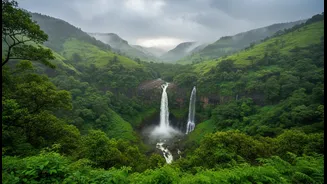
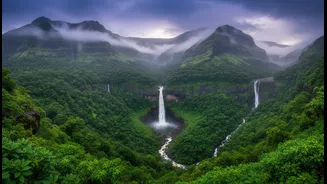
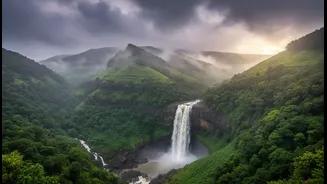
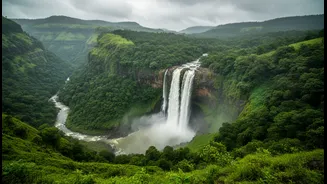
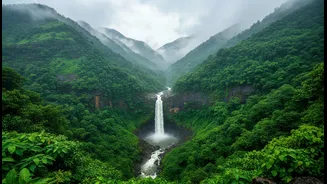
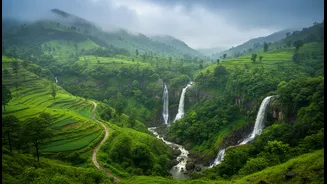
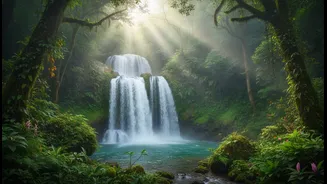
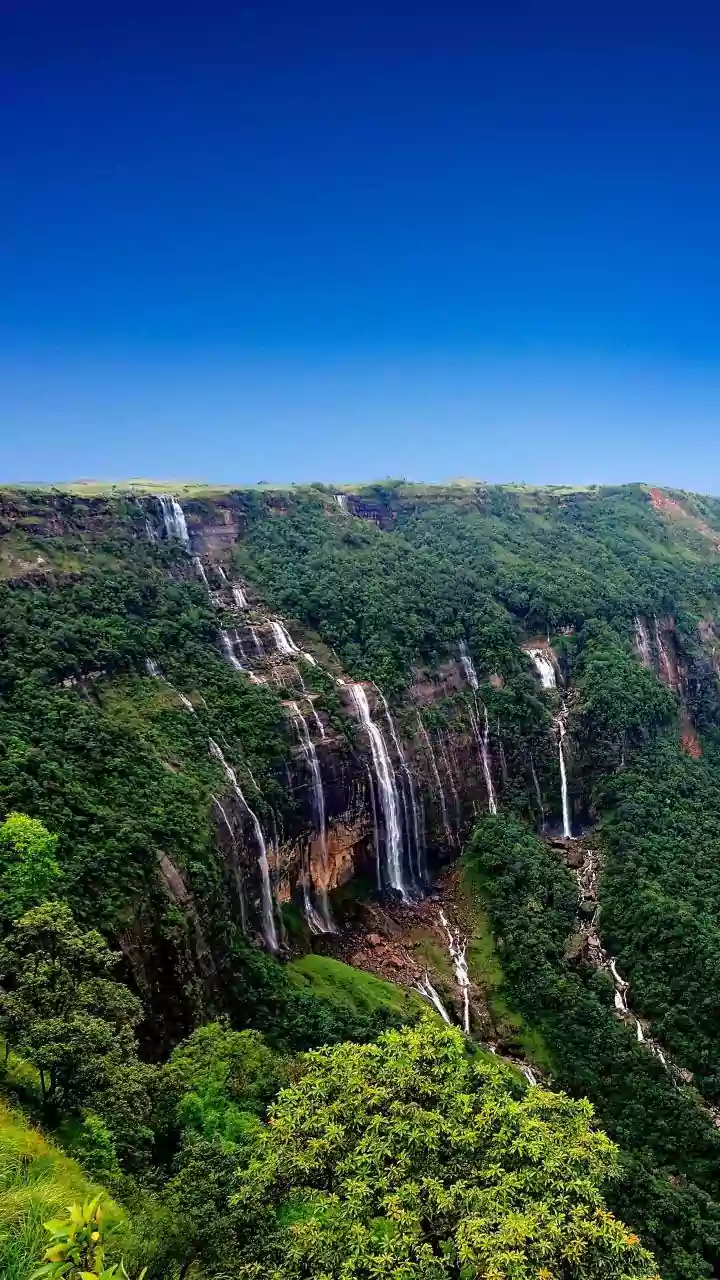
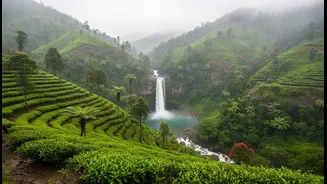
The most dramatic change during the monsoon is the awakening of countless waterfalls. Streams that were mere trickles swell into roaring cascades, plunging down cliffs with immense power and grace. Famous giants like Dudhsagar Falls on the Goa-Karnataka
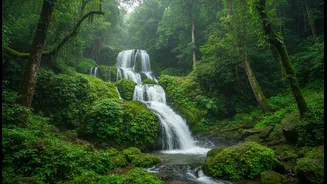
border, which translates to 'Sea of Milk', become a formidable four-tiered spectacle. In Karnataka, Jog Falls, India's second-highest plunge waterfall, puts on its most glorious display, with its four distinct cascades—Raja, Rani, Roarer, and Rocket—thundering into the valley below. The drive through ghat sections like Tamhini in Maharashtra becomes a journey through a 'waterfall corridor', with innumerable falls appearing on the misty cliffs. From the wide curtain of Athirappilly Falls in Kerala to the serene, tiered beauty of Thoseghar in Maharashtra, the monsoon turns the entire range into a water-world.
An Explosion of Greenery
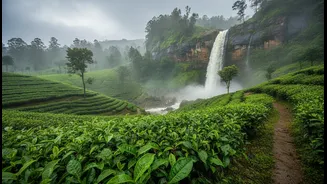
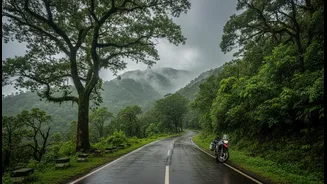
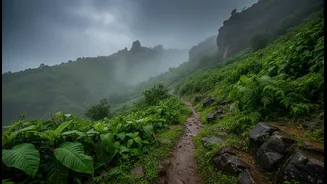
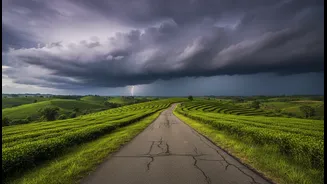
Spanning across six states including Maharashtra, Karnataka, Kerala, and Tamil Nadu, the Western Ghats shed their summer brown for countless shades of green. The rain breathes life into everything, from the dense canopies of evergreen forests to the rolling tea plantations of Munnar and Valparai. The parched earth is replaced by lush valleys and mist-covered peaks. This vibrant renewal is not just visual; the air itself feels different, filled with the scent of wet earth, fresh leaves, and wildflowers. Driving through destinations like Wayanad in Kerala or Coorg in Karnataka reveals landscapes so intensely green they appear almost surreal, with clouds often descending to meet the forests on the winding roads.
The Emergence of Unique Wildlife
The monsoon is a crucial time for the region's incredible biodiversity. For many species, the rains signal the start of the breeding season. The forests become acoustically alive with the cacophonous calls of frogs. This is the best time to spot endemic amphibians like the vibrant Malabar Gliding Frog and various species of dancing frogs. These walks, often conducted at night by local naturalists, offer a fascinating glimpse into a micro-world that remains hidden for most of the year. Even the elusive Malabar pit viper can be spotted by enthusiasts, camouflaged on low branches. Firefly festivals in the northern Ghats, like in Rajmachi and Purushwadi, light up the forests with thousands of synchronized flashes, creating another layer of monsoon magic.
Misty Trails and Atmospheric Treks
For the adventurous, the monsoon offers a unique trekking experience. Trails that are popular year-round, like those to Lohagad or Rajmachi forts in Maharashtra, take on a mystical quality as they disappear into thick fog. Trekkers navigate misty meadows, moss-covered ruins, and trails flanked by seasonal streams. In places like Coorg and the Nilgiris, dedicated monsoon hikes lead through 'shola' cloud forests, where low clouds drift through the canopy and the sound of rain is a constant companion. While these treks can be challenging due to slippery paths and the presence of leeches, the reward is an immersive experience in an ecosystem operating at its peak intensity.
Where to Experience the Magic
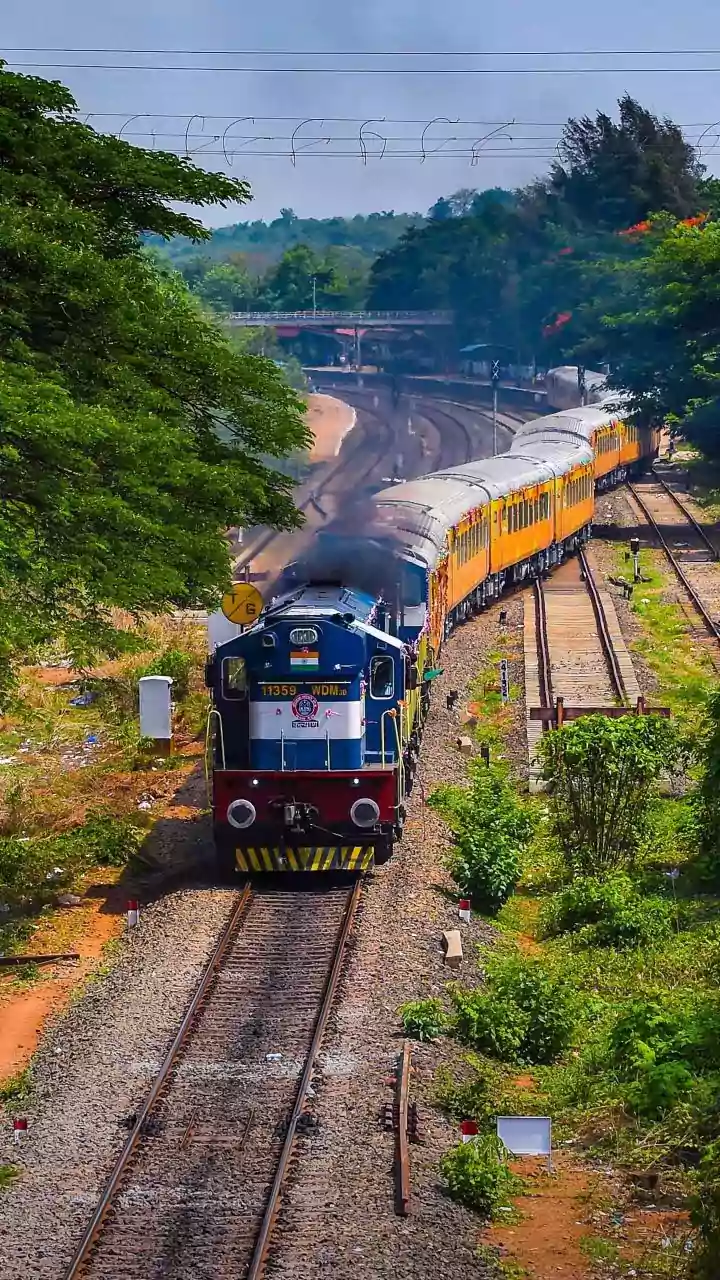
The magic of the monsoon can be found all along the 1,600 km range. In Maharashtra, hill stations like Mahabaleshwar and Lonavala become popular getaways for their pleasant weather and stunning viewpoints. Agumbe in Karnataka, known as the 'Cherrapunji of the South', offers a raw, rain-drenched experience with numerous waterfalls and a dedicated rainforest research station. Further south, Munnar in Kerala captivates with its lush tea gardens, while Wayanad offers dense forests and pristine lakes like Pookode. Each destination provides a different flavour of the monsoon, from the convenience of a road trip through Malshej Ghat to a deep immersion in the biodiversity of Agumbe.