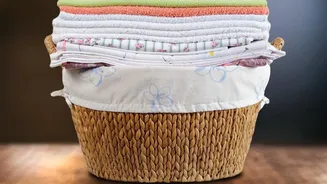







Declutter and Create Space
The first rule of monsoon wardrobe care is to allow air to circulate. Overstuffed cupboards trap moisture and create a breeding ground for mildew. Start by decluttering. Segregate clothes you won't wear during the rainy season, like heavy ethnic wear or delicate
silks. Store them away properly (more on that later) to create breathing room for your daily outfits. A little space between hangers can make a huge difference in keeping fabrics dry and fresh.
Embrace Desiccants: Your First Line of Defence
Desiccants are substances that absorb moisture from the air, and they are your best friend during the monsoon. The most common and effective option is silica gel. You can collect the small packets that come with new shoes and bags or buy them in bulk. Place a few sachets on each shelf of your wardrobe, in drawers, and in the pockets of stored coats. For a low-cost, natural alternative, you can use bowls of rock salt, uncooked rice, or charcoal briquettes, which also absorb ambient moisture. Remember to replace these every few weeks as they become saturated.
Harness Natural Repellents and Deodorisers
Along with dampness comes the dreaded musty smell. Fight it with natural solutions that also repel insects. Dried neem leaves, a timeless Indian home remedy, can be placed in the corners of your wardrobe to keep microbes at bay. Camphor tablets or naphthalene balls, wrapped in small muslin cloth pouches to avoid direct contact with clothes, are also effective at absorbing moisture and preventing insects. For a pleasant fragrance, consider placing a small bag of ground coffee or potpourri inside your closet.
Rethink Your Storage Materials
One of the biggest mistakes is storing clothes, especially expensive silks and sarees, in plastic bags. Plastic traps moisture, which can lead to permanent fabric damage, colour bleeding, and tarnishing of zari work. The best practice is to wrap delicate and heavy garments in breathable cotton or muslin cloths. These allow the fabric to breathe while protecting it from dust. For leather bags and shoes, clean them, stuff with acid-free paper to hold their shape, and store them in fabric dust bags, never plastic.
The Golden Rule: Never Store Damp Clothes
This may seem obvious, but it is the most critical hack. Even slightly damp clothes can introduce enough moisture into a closed wardrobe to cause problems for everything else. During the monsoon, clothes take longer to dry. Be patient. Give them extra time, perhaps under a fan, to ensure they are bone dry before folding or hanging them. Pay special attention to thicker parts like collars, waistbands, and seams, which can retain hidden moisture. A few extra hours of drying can prevent weeks of musty regret.
Ventilate and Make Use of Sunny Days
Whenever you get a break in the rain and the sun comes out, make the most of it. Sunlight is a natural disinfectant. Airing out clothes, especially heavier items like jackets and blankets, can help remove any lingering moisture and odours. It's also a good idea to open your wardrobe doors for a few hours each day to let the air circulate and prevent the space from becoming stagnant and damp. If your wardrobe is against an external wall, try to leave a small gap between the wall and the furniture to prevent moisture transfer.
Special Care for Special Garments
Indian wardrobes are full of precious silks, Banarasis, and Kanjeevarams. These need extra attention. Besides wrapping them in muslin, you should refold them every few weeks to prevent creases from becoming permanent and to check for any early signs of moisture damage. When folding sarees with zari work, fold the metallic threads inward or place acid-free tissue paper between the folds to prevent oxidation and blackening. Remember, gravity can stretch heavy sarees, so it's better to store them folded flat rather than on hangers.