





What is Chrononutrition?
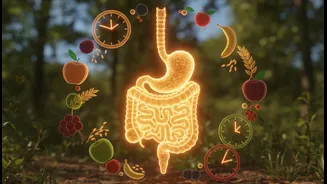
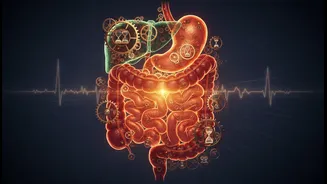
Chrononutrition is the science of how meal timing interacts with our body's internal 24-hour clocks, known as circadian rhythms. These rhythms govern nearly all our biological processes, from our sleep-wake cycle to hormone release and, importantly, digestion.
Think of it like this: your body isn't just a machine that processes fuel anytime you add it. Instead, it's a highly sophisticated system that's primed for certain tasks at specific times of the day. Chrononutrition suggests that aligning our eating patterns with this natural, pre-programmed schedule can lead to significant health benefits, especially for our metabolic and digestive systems. The core idea is simple: eating in sync with your body's clock helps everything run more smoothly.
The Gut Has Its Own Clock
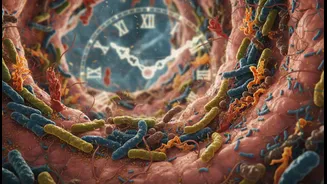
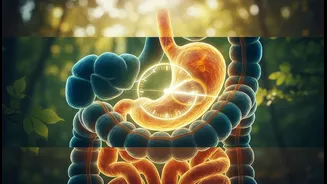
Just like your brain has a master clock that responds to light and darkness, your digestive system operates on its own local time. This gut clock influences everything from the production of digestive enzymes and stomach acid to the movement of your intestines. Even the trillions of microbes living in your gut—collectively known as the gut microbiome—follow a daily rhythm. Research shows that the composition and activity of these bacterial communities fluctuate over a 24-hour period. These daily cycles in our gut bacteria affect how we process nutrients and how our immune system functions. Disrupting this delicate rhythm by eating at inconsistent times or late at night can throw the whole system out of balance, potentially leading to digestive issues and inflammation.
Why the Midday Meal is Key
According to chrononutrition principles, our digestive system is most active and efficient during daylight hours. Research suggests that our metabolism is at its peak earlier in the day, making it the ideal time to consume the majority of our calories. Making lunch your largest meal aligns with this peak metabolic activity. Your body is better prepared to handle glucose and digest food efficiently around midday. Conversely, as evening approaches, our digestive system begins to wind down in preparation for sleep. Eating a large, heavy meal late at night forces your gut to work overtime when it should be resting, which can disrupt sleep, affect insulin sensitivity, and contribute to weight gain. Some experts suggest consuming your largest meal before 3 p.m. to best align with these natural rhythms.
Boosting Your Microbiome with Timing
Consistent meal timing helps stabilize and support the beneficial bacteria in your gut. When you eat at regular intervals, you promote a more diverse and robust microbial community, which is a cornerstone of good gut health. This stability is crucial for everything from nutrient absorption to maintaining a strong gut barrier, which prevents harmful substances from leaking into your bloodstream. Time-restricted eating (TRE), a popular chrononutrition strategy, involves consuming all your daily calories within a specific window, typically 8 to 12 hours. This gives your digestive system a prolonged rest period overnight, which can help repair the gut lining and enhance the function of your microbiome. Studies show that TRE can help restore microbial rhythms and boost the production of beneficial compounds like short-chain fatty acids, which are vital for metabolic health.
Simple Ways to Align Your Eating
Adopting chrononutrition doesn't require a complete dietary overhaul. The focus is on timing, regularity, and listening to your body's natural cues. Start with small, manageable changes. Try to eat your meals at roughly the same time each day to help regulate your body's expectations. Prioritize a nutrient-rich breakfast to kickstart your metabolism and aim to make lunch your most substantial meal of the day. As a general rule, try to finish your last meal at least two to three hours before you go to sleep to give your digestive system ample time to rest and repair. Limiting late-night snacking is also a key principle, as it can disrupt both your digestive clock and sleep quality. By paying more attention to when you eat, you can provide powerful support to your gut and overall well-being.