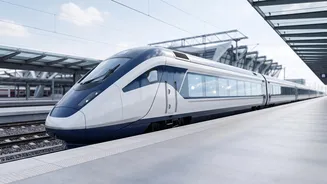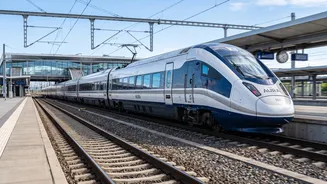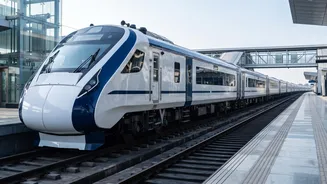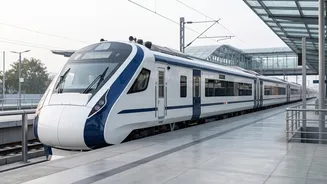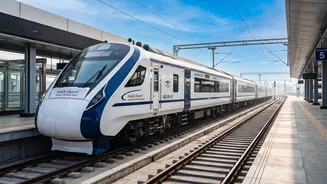







The familiar experience of overnight train travel in India is on the cusp of a significant transformation. The Vande Bharat platform, which has already redefined daytime journeys, is now being adapted for long-distance, overnight routes with new sleeper
coaches.
A New Chapter in Overnight Travel
For decades, Rajdhani and Duronto trains have been the gold standard for premium overnight travel in India. Now, Indian Railways is preparing to roll out their successor: the Vande Bharat sleeper. Unlike the chair-car versions that currently connect cities on day trips, these new trains are designed from the ground up for comfort on long-haul routes. The core idea is to combine the speed and modern amenities of the Vande Bharat platform with the convenience of a sleeper, offering passengers a faster and more luxurious way to travel between major cities overnight. This move signals a strategic shift towards modernizing the country's most vital transport network, aiming to provide a travel experience that rivals air travel in comfort and convenience, especially on popular high-density routes.
What to Expect Onboard
The new sleeper trains are set to be a significant upgrade. Each trainset is expected to consist of 16 coaches, offering a mix of AC First, Second, and Third Tier classes with a total capacity of approximately 823 berths. The interiors promise a completely revamped aesthetic with ambient lighting, modern fittings, and a focus on passenger comfort. Key features include sensor-based automatic doors, bio-vacuum toilets, and improved public announcement and information systems. A notable design improvement is the ladder for accessing upper berths, which has been re-engineered for better ergonomics and ease of use. Special provisions, including dedicated berths and toilets for differently-abled passengers, are also being integrated, ensuring a more inclusive travel experience for everyone. The trains are engineered to run at a maximum speed of 160 kmph, which could significantly reduce travel times on upgraded tracks.
Untangling the Timelines
While the headline points to a 2027 prototype, the rollout is more complex and has begun earlier than that. The first prototype, manufactured by BEML in Bengaluru, was slated for unveiling in mid-2024. This initial batch from BEML consists of ten trains. The 2027 date likely refers to the completion of this specific contract or another milestone in the broader project. This is because the ambitious plan to upgrade India's sleeper fleet involves multiple players. Beyond BEML, two other major consortiums are involved in manufacturing a larger fleet of these trains. A partnership between Titagarh Rail Systems and BHEL is contracted to produce 80 sleeper Vande Bharat trains, with deliveries expected between 2025 and 2029. Another 120 trains are being built by a consortium of Russia's TMH and India's RVNL. This phased approach means that while the first trains are imminent, the full fleet will be gradually introduced over the next several years, with a significant number entering service closer to 2027 and beyond.
More Than Just a Faster Train
The introduction of the Vande Bharat sleeper is more than just an equipment upgrade; it represents a strategic push to enhance the overall capacity and quality of long distance rail travel. While a single sleeper Vande Bharat may have a slightly lower berth count than some existing Rajdhani configurations, the project's scale is massive. With over 200 new trains planned across multiple manufacturers, the goal is to significantly increase the availability of high speed, premium overnight services across the country. This will help absorb the ever growing demand on key routes like Delhi Mumbai and Delhi Kolkata. By offering a superior alternative to existing trains, Indian Railways is betting that it can retain and attract passengers who might otherwise opt for flights. It's a move aimed at making train journeys the preferred choice for overnight travel, blending the speed of the Vande Bharat with the cherished Indian tradition of sleeping on the rails.