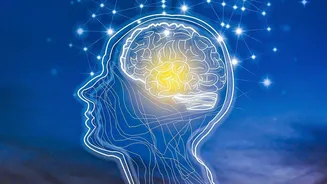







Your Brain’s Master Clock
Deep inside your brain is a tiny region called the suprachiasmatic nucleus (SCN), which acts as your body's master clock. This internal pacemaker governs your circadian rhythms—the 24-hour cycles that control everything from hormone release and body temperature
to when you feel sleepy or alert. This clock thrives on routine. Its primary cue is light, which signals that it's time to be active. When your sleep schedule is predictable, going to bed and waking up around the same time each day, you keep this master clock perfectly synchronised with the day-night cycle.
The 'Social Jetlag' Effect
The problem arises when our social lives clash with our biological clocks. This conflict is often called 'social jetlag', which describes the mismatch between your sleep schedule on workdays versus free days. Sleeping in late on weekends might feel like you're 'catching up', but to your brain, it's like flying across time zones. This inconsistency confuses your internal clock, leading to a state of circadian disruption. Studies have shown that people experiencing significant social jetlag—a difference of two hours or more between their weekday and weekend wake-up times—have a notably higher risk of developing depression. This desynchronization can kickstart a cycle of fatigue, irritability, and mood instability.
The Chemical Connection to Mood
So, how does a wonky internal clock lead to mood problems? The connection lies in brain chemistry. Circadian rhythms play a key role in regulating crucial neurotransmitters like serotonin and dopamine, which are fundamental to mood stability. When your sleep pattern is erratic, the production and release of these chemicals can become dysregulated. Furthermore, inconsistent sleep can disrupt the normal rhythm of cortisol, the body's primary stress hormone. This can leave you in a state of heightened stress and compromise the brain's ability to process emotions effectively, particularly during the REM sleep stage, which is vital for emotional regulation.
Beyond Tiredness: Cognitive and Emotional Impact
The consequences of an irregular sleep schedule go far beyond just feeling groggy. When the prefrontal cortex—the part of the brain responsible for impulse control and decision-making—is sleep-deprived, its activity decreases. Simultaneously, the amygdala, the brain's emotional alarm system, becomes more reactive. This combination makes you more prone to negative thinking, emotional volatility, and poor judgment. Research has shown that irregular sleep is as significant a risk factor for depression as not getting enough sleep in the first place. In fact, one study estimated that if everyone maintained a regular sleep schedule, the incidence of mental health disorders could be significantly reduced.
How to Stabilise Your Sleep Schedule
The good news is that stabilising your circadian rhythm is achievable and is one of the most effective steps you can take for your mental well-being. The key is consistency. Aim to wake up at the same time every day, including on weekends and holidays. If you have a late night, it's better to stick to your regular wake-up time and take a short nap later than to sleep in for hours. Exposing yourself to bright, natural light first thing in the morning is a powerful signal to reset your master clock. Creating a relaxing bedtime routine, such as reading or meditating, and avoiding screens and heavy meals before bed can also signal to your body that it's time to wind down.