



The Science of Sweetness
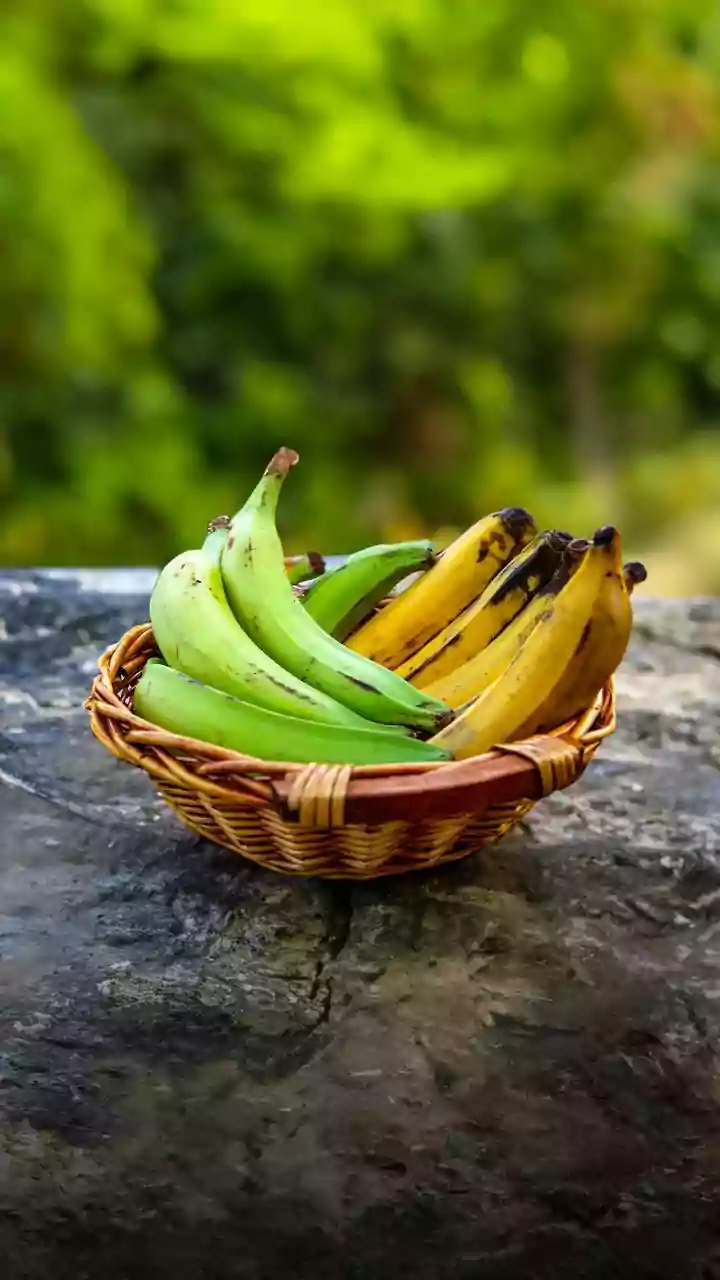
A banana doesn't just change colour as it matures; its entire carbohydrate composition undergoes a radical shift. When a banana is green and unripe, its carbohydrate content is dominated by starch, specifically something called resistant starch. As the
fruit ripens, a natural process involving enzymes breaks down this complex starch into simpler, sweeter-tasting sugars like sucrose, glucose, and fructose. This is why a firm, green banana has a starchy, almost potato-like taste, while a soft, yellow banana is distinctly sweet. By the time a banana is fully ripe, its starch content can drop to as little as 1%, having been almost entirely converted to sugar. The total calorie count, however, remains largely the same throughout this process.
Green Bananas and Resistant Starch
The star of the show in green bananas is resistant starch. As the name suggests, this type of carbohydrate 'resists' digestion in your small intestine. Instead, it travels to the large intestine, where it functions like a prebiotic fibre, feeding the beneficial bacteria in your gut. This process helps foster a healthy gut microbiome, which is linked to everything from improved digestion to better immune function. Because it's not rapidly broken down into glucose, resistant starch has a much gentler effect on blood sugar levels. A green banana has a low glycemic index (GI), a measure of how quickly a food raises blood sugar, often scoring around 30 to 42. This makes it a great choice for individuals looking to maintain stable energy and manage blood sugar.
Ripe Bananas and Quick Energy
As those starches convert to sugar, the banana becomes an excellent source of quick, easily digestible energy. The higher concentration of simple sugars means a ripe banana has a higher glycemic index than its green counterpart, typically ranging from about 51 to 62, which is still in the low-to-medium range. This makes a yellow, spotted banana an ideal pre-workout snack or a natural pick-me-up when you need an immediate energy boost. While they lose most of their resistant starch, ripe bananas are not without benefits. They are often easier to digest for many people. Furthermore, as a banana ripens and brown spots appear, its antioxidant levels increase.
Digestive Differences and Considerations
The different carbohydrate types lead to different digestive experiences. For some, the high resistant starch content in green bananas can cause gas or bloating, as the gut bacteria ferment the starch. On the other hand, the simple sugars in very ripe bananas can sometimes be a trigger for those with sensitivities to FODMAPs, a group of fermentable carbs. People with IBS might find green bananas easier to tolerate because they are lower in FODMAPs, while others may find the soft texture of a ripe banana gentler on their system. It often comes down to individual tolerance and listening to your body's cues.
Which Banana Is Best for You?
Ultimately, neither green nor ripe bananas are universally 'better'; they simply serve different nutritional purposes. Your choice depends entirely on your personal health goals and preferences.Choose green bananas if:- You want to support your gut health with prebiotic fibre.- You are managing your blood sugar and need a lower glycemic index fruit.- You prefer a firmer texture and less sweetness, perhaps for use in savoury cooking.Choose ripe bananas if:- You need a quick and easily digestible source of energy, like before exercise.- You prefer a sweeter taste and a softer, creamier texture.- You have a sensitive digestive system that finds resistant starch difficult to handle.