





Why The Playground Is Your New Gym
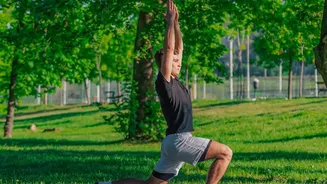
Training outdoors offers more than just a change of scenery. Exercising in the fresh air can boost your mood, increase motivation, and reduce stress levels. Sunlight exposure helps your body produce Vitamin D, which is essential for bone health and immune
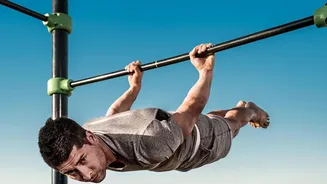
function. From a physical standpoint, playground workouts primarily use calisthenics—exercises that use your own body weight as resistance. This style of training builds functional strength, improves coordination, and engages multiple muscle groups at once, including smaller stabilising muscles that are often neglected in machine-based gym workouts. The equipment is simple, versatile, and best of all, completely free.
The Golden Rule: Gradual Strength Progression
To get stronger, you must consistently ask your body to do a little more than it's used to. This is the principle of progressive overload, and it's the engine of all strength gains. Without it, you're just moving around; with it, you're building muscle and capacity. Your body adapts to the stress you place on it, so to keep making progress, that stress must gradually increase. In a gym, this usually means adding more weight to a barbell. In a playground setting, progression looks a little different but follows the same core idea. You can make an exercise harder by changing several variables, but it's best to only change one at a time to ensure you progress safely.
Your Starter Playground Exercises
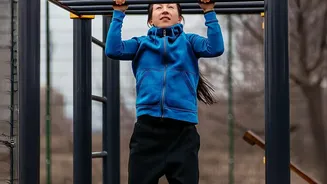
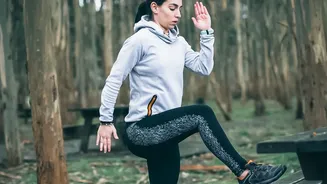
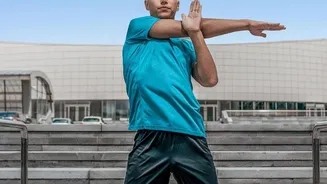
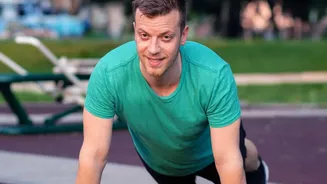
Most playgrounds offer equipment that's perfect for a full-body routine. Before starting, always warm up with 5-10 minutes of light cardio, like jogging around the park, and some dynamic stretches.Pull-Ups or Inverted Rows: The monkey bars or any sturdy horizontal bar are ideal for pull-ups, the king of upper-body pulling exercises. If a full pull-up is too difficult, start with inverted rows on a lower bar.Push-Ups: A park bench is perfect for adjusting push-up difficulty. Placing your hands on the bench makes the exercise easier, while placing your feet on the bench makes it harder by increasing the load on your chest and shoulders.Dips: Use parallel bars or the edge of a sturdy bench for tricep dips. This is a fundamental movement for building pushing strength in your chest, shoulders, and triceps.Squats and Lunges: Open space is all you need for bodyweight squats and lunges. To increase the difficulty, use a bench for Bulgarian split squats, where you elevate your back foot on the seat.Hanging Knee Raises: Hang from a bar and raise your knees toward your chest to build powerful core strength.
How to Progress and Get Stronger
Once you've mastered the basic form of an exercise, it's time to apply gradual progression. Here are the simplest ways to make bodyweight movements more challenging:Add Reps and Sets: The most straightforward approach. If you did 8 push-ups last week, aim for 9 or 10 this week. Once you can comfortably perform 12-15 reps with good form, it's time for a harder variation.Increase Difficulty: This is the calisthenics equivalent of adding weight. Move from knee push-ups to full push-ups. Progress from inverted rows to a full pull-up. Elevating your feet on a bench for push-ups is another great example.Slow Down the Movement: Increasing the time your muscles are under tension makes any exercise harder. Try taking three to four seconds to lower yourself into a push-up or squat.Reduce Rest Time: If you normally rest 90 seconds between sets, try resting for only 60. This increases the workout's density and cardiovascular challenge.
Listen to Your Body and Stay Consistent
Progress isn't always linear. Some days you'll feel stronger than others. The most important rules are to prioritize proper form over speed or volume and to listen to your body. Rushing progress or ignoring pain is a fast track to injury. Aim for consistency over intensity, especially when starting out. Training three days a week on non-consecutive days is a great schedule for beginners, as it provides enough stimulus for growth and enough time for recovery. Remember that rest is when your muscles actually rebuild and get stronger. Focus on your own journey, stay patient, and enjoy the process of discovering what your body is capable of.