






Starting a fitness journey is exciting, but the fear of joint pain can be a major hurdle. The secret isn't avoiding movement; it's choosing the right kind and embracing the power of recovery. Let's explore how to get strong without the strain.
What Makes an Exercise 'Joint-Friendly'?
Joint-friendly
exercise is often described as 'low-impact'. This simply means the movements don't subject your joints—especially your knees, hips, and ankles—to the repetitive, jarring forces of high-impact activities like running and jumping. Low-impact exercises keep at least one foot on the ground or support your body in other ways, such as with water or equipment. The goal is to build strength, improve cardiovascular health, and enhance flexibility without placing excessive stress on your cartilage and connective tissues. By strengthening the muscles surrounding your joints, you provide them with better support, which can reduce strain and improve stability for everyday activities.
Gentle Yet Powerful: Top Low-Impact Choices
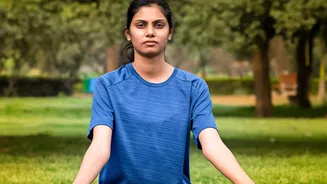
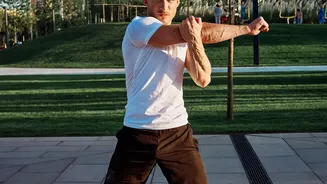
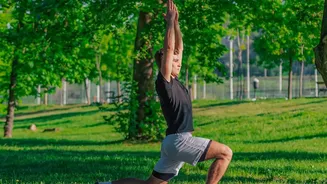
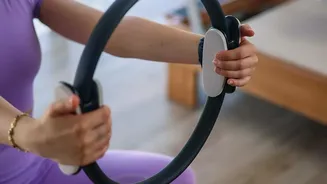
You don't need intense, high-impact workouts to achieve your fitness goals. There are many effective and enjoyable options that are kind to your joints. Swimming and water aerobics are often considered ideal because the water’s buoyancy supports your body weight, dramatically reducing joint pressure. Walking is another excellent, accessible choice that strengthens bones and muscles with minimal stress. Stationary or recumbent cycling builds lower body strength and cardiovascular endurance without the impact of running. Activities like yoga, Pilates, and tai chi are also fantastic for improving flexibility, balance, and core strength through slow, controlled movements. Even strength training, when done correctly with lighter weights or resistance bands, is a low-impact way to build the muscle that protects your joints.
The 'How' Is as Important as the 'What'
Choosing a low-impact activity is only half the battle. For beginners, the key to staying injury-free is focusing on proper form and gradual progression. Start slowly, especially if you're new to exercise. A 10-minute walk or a short session on a stationary bike is a great beginning. Pay attention to your body's signals. While mild muscle soreness is a normal part of your body adapting, sharp or persistent joint pain is a sign to stop and reassess. Many exercises can be modified to suit your needs. For instance, chair yoga offers the benefits of traditional yoga with added support, and using a wall for pushups reduces the strain on your wrists and shoulders. The objective is consistency over intensity. Building a sustainable routine is more valuable than pushing too hard, too soon.
Recovery: The Secret Ingredient for Progress
Exercise doesn't build strength; recovery does. When you work out, you create microscopic tears in your muscle fibres and place stress on your joints and connective tissues. The real magic happens during the downtime that follows. In this recovery period, your body repairs that damage, rebuilding your muscles to be stronger and more resilient than before. This process is essential for progress. Without adequate rest, your body remains in a state of breakdown, which can lead to fatigue, plateaus, and an increased risk of overuse injuries. Rest days give your body time to replenish its energy stores (glycogen) and allow the natural inflammatory response from exercise to subside, ensuring you're ready and able for your next session.
Smart Strategies for Rest and Recovery
Recovery is more than just sitting on the couch. For beginners, it’s about creating a holistic plan. Aim for at least one to two complete rest days per week. On other days, consider 'active recovery', which involves light, low-intensity movement like a gentle walk or stretching. This helps promote blood flow, which delivers nutrients to your muscles and helps clear out metabolic waste. Prioritising sleep is nonstoppableableableableableableableableableableableableableableableableableableableableableableableableableableableableableableableableableableableableableability as 7–9 hours per night is when most of your body's repair processes occur. Proper nutrition and hydration are also crucial. Consuming protein helps rebuild muscle tissue, while staying hydrated ensures your joints remain lubricated. Listening to your body is the most important rule. If you feel unusually fatigued, moody, or your workouts feel harder than they should, you may be overtraining and need more rest.