


The Great Makeup Reversal
For years, the beauty world was dominated by techniques designed to mask, sculpt, and transform. Think of the sharp lines of contouring, the pore-blurring effect of ‘baking’, and the quest for a perfectly uniform, matte complexion. It was a look popularised
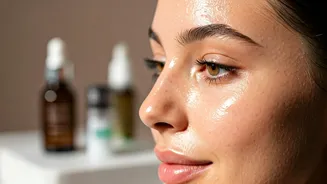
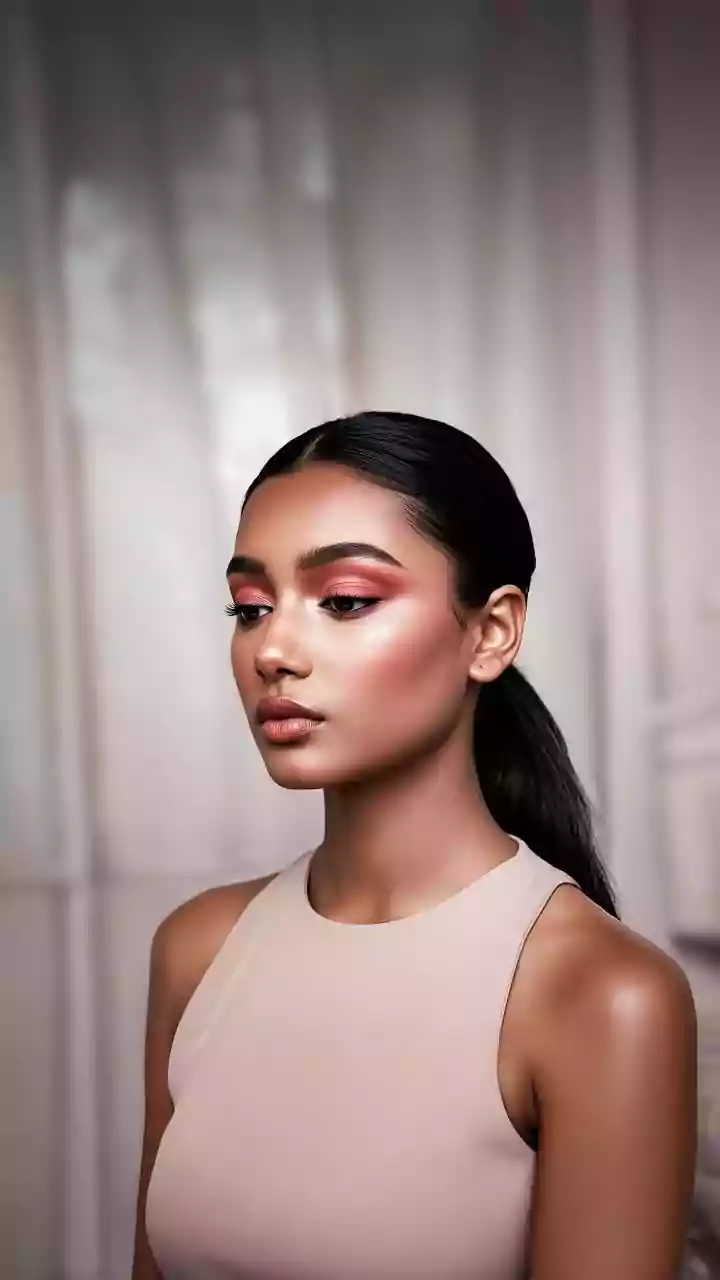
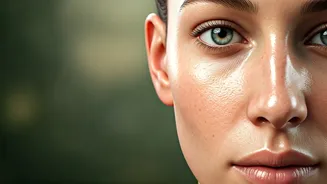
on social media, requiring multiple products and significant time. Today, that aesthetic is being replaced by its polar opposite: a fresh, dewy, and authentic look where your natural skin is the star. This isn't a ‘no-makeup’ trend, but a ‘less-makeup’ one. The focus has shifted from hiding imperfections with layers of concealer to caring for the skin underneath so there’s less to hide in the first place. The new goal is skin that looks plump, hydrated, and luminous on its own.
What 'Skinimalism' Really Means
Coined to describe a minimalist approach to skincare and makeup, ‘skinimalism’ is the driving philosophy behind this trend. It’s about consciously choosing fewer, more effective products rather than piling on a dozen different serums and creams. This movement champions a streamlined routine that prioritises skin health over temporary cosmetic fixes. It encourages consumers to become more educated about ingredients and their specific skin concerns. Instead of a 10-step routine that might irritate the skin barrier, the focus is on a simple, consistent regimen: a gentle cleanser, a targeted treatment (like a Vitamin C or niacinamide serum), a good moisturiser, and, most importantly, sunscreen. It’s quality over quantity, and efficacy over excess.
Why the Shift Is Happening Now
Several cultural factors are fueling this change. The global wellness movement has encouraged us to see skincare as a form of self-care and health, not just vanity. The pandemic also played a huge role; extended periods of working from home gave many people a break from daily makeup application, allowing them to get more comfortable with their natural skin. This period also saw a surge in ‘skintellectuals’—consumers who spent time researching ingredients like hyaluronic acid, ceramides, and retinoids. Furthermore, the influence of K-Beauty, with its emphasis on ‘glass skin’ and a multi-step hydration process, has normalised the pursuit of a naturally dewy complexion. It’s a collective move towards authenticity and embracing a more low-maintenance, sustainable beauty ideal.
The Pillars of a Healthy Glow
Achieving healthy-looking skin isn’t about buying one 'magic' product. It’s about committing to a few core principles. First is hydration, both internal and external. Drinking adequate water is foundational, but so is using topical ingredients like hyaluronic acid that draw moisture into the skin. The second pillar is protection. Dermatologists are unanimous: the single most important anti-ageing and skin health product is a broad-spectrum sunscreen worn daily, regardless of the weather. Finally, consistency is key. A simple, sustainable routine performed morning and night will yield far better results than sporadic, complicated treatments. This means consistently cleansing, moisturising, and applying your chosen treatments to maintain the skin barrier and see real progress over time.
It's Not About Chasing Perfection
Perhaps the most refreshing aspect of this trend is its redefinition of ‘good’ skin. Healthy-looking skin is not flawless skin. It has pores, texture, and the occasional blemish. The goal is not to erase every sign of life from your face, but to nurture skin that is resilient, balanced, and radiant. This trend moves away from the filtered, poreless ideals of social media and towards a more realistic and attainable standard. It’s a celebration of your unique skin, encouraging a mindset of care and nourishment rather than one of criticism and concealment. True radiance comes from health, and healthy skin is beautiful skin, full stop.