
Embrace the Air Fryer Revolution
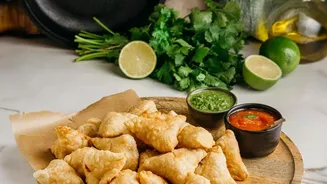
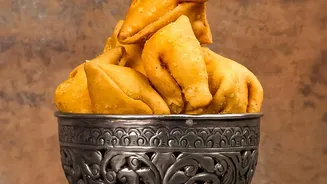
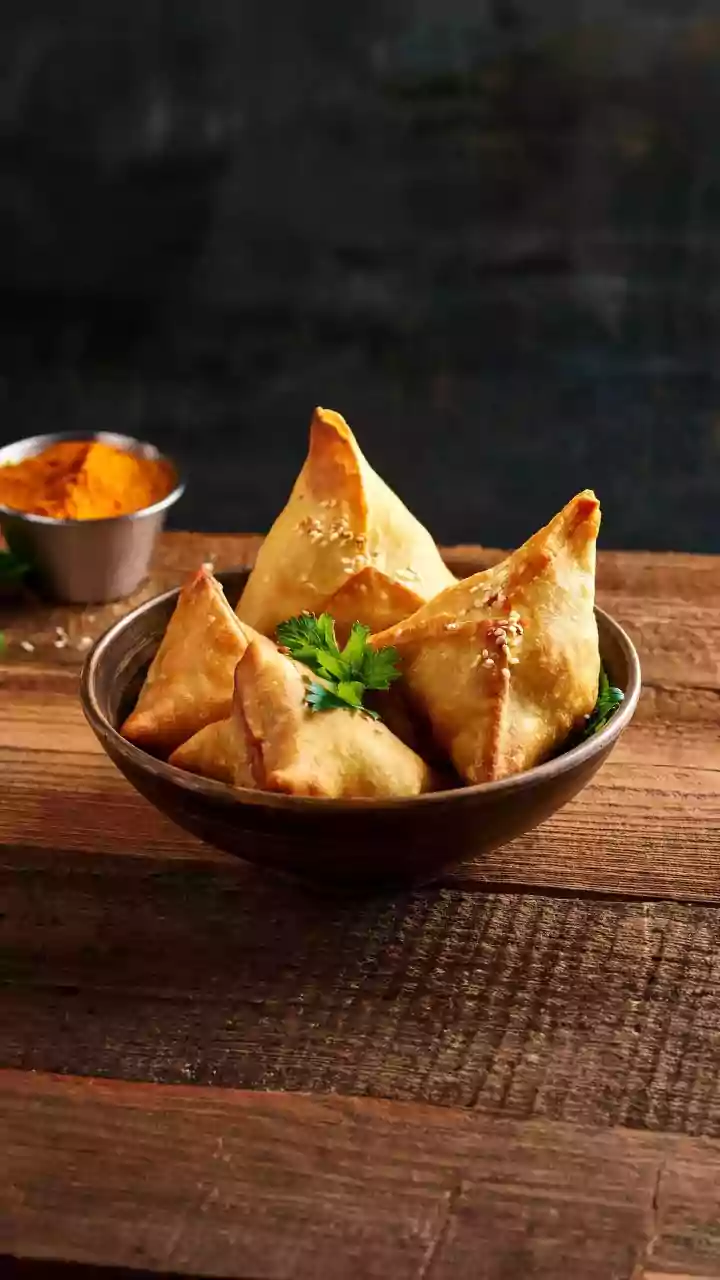
The air fryer has become a game-changer for recreating fried textures with minimal oil. By circulating hot air at high speed, it crisps up food beautifully. For samosas, a light brush or spray of oil is all you need before air frying them in a single
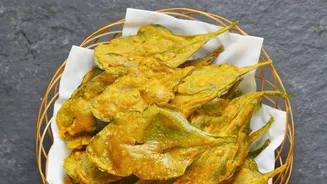
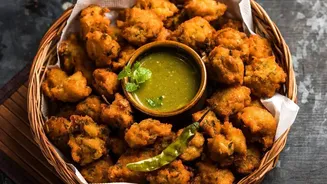
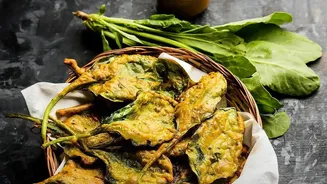
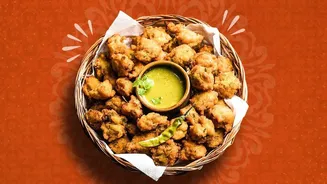
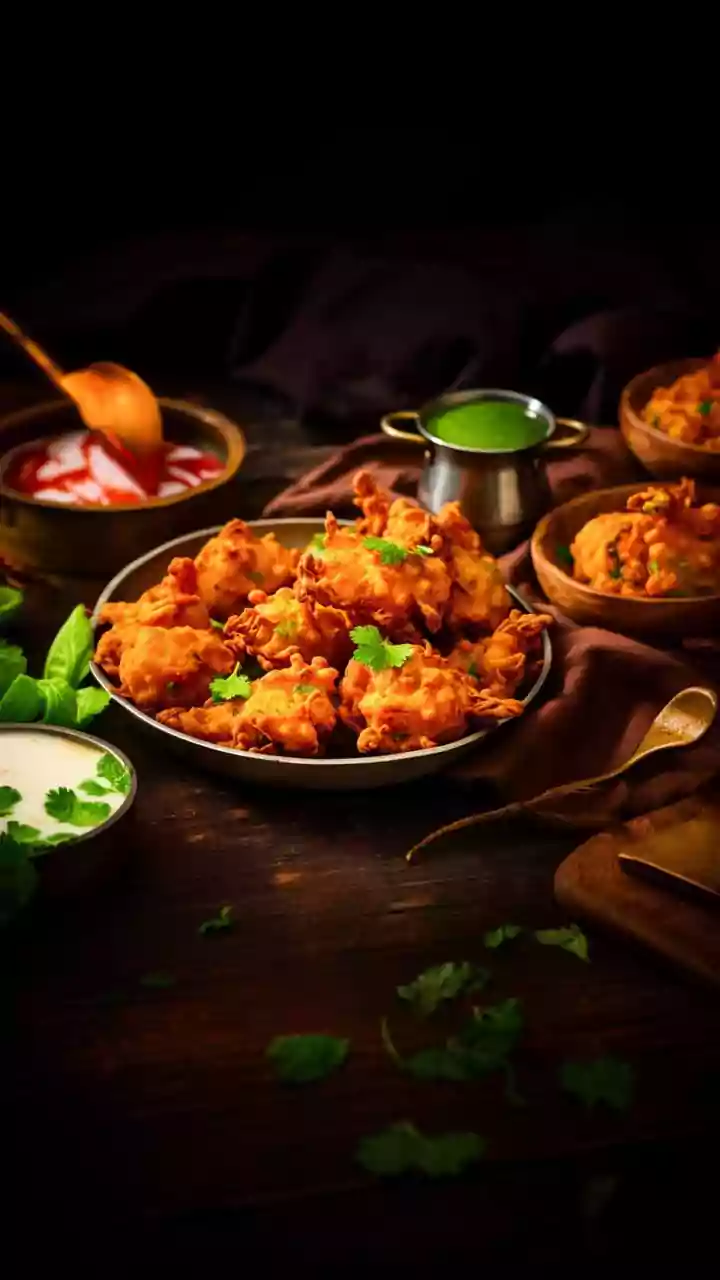
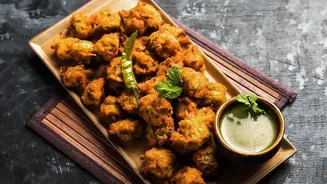
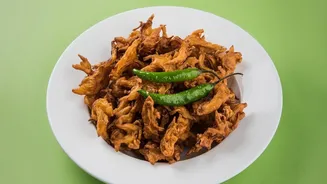
layer. This method can reduce oil content by 70-80%. The key is not to overcrowd the basket, allowing hot air to circulate freely for an even, golden finish. For pakoras, the same principle applies; a thick batter dropped into the air fryer and sprayed lightly with oil will result in a crunchy exterior and soft interior. You can achieve a surprisingly satisfying crunch without the deep-frying process.
The Baking Alternative
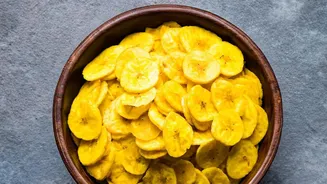
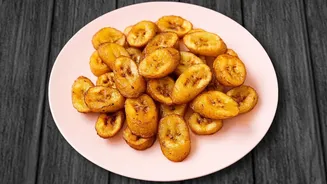
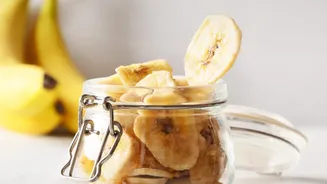
Baking is another excellent low-oil method, especially for samosas and banana chips. While a baked samosa might have a slightly different, less flaky texture than its deep-fried counterpart, it offers a delightful crispness of its own. Brushing the samosas with a touch of oil or ghee before baking at a high temperature (around 200°C) helps them achieve a golden-brown crust. For banana chips, baking is a fantastic way to get a healthy, crunchy snack. Slicing the bananas very thinly is crucial for crispiness. Arrange the slices on a baking sheet lined with parchment paper to prevent sticking and bake at a low temperature for a longer period, allowing them to dry out and become crispy.
Smarter Frying Techniques
If you're not ready to give up deep-frying entirely, you can still significantly reduce oil absorption with smarter techniques. Maintaining the right oil temperature is critical. If the oil isn't hot enough, food will soak it up, becoming greasy. If it's too hot, the outside will burn before the inside is cooked. The ideal temperature is between 175-180°C. Frying in small batches also helps maintain this temperature. For pakoras, adding a small amount of hot oil to the batter just before frying can make them lighter and prevent them from soaking up excess oil.
Perfect Your Dough and Batter
The composition of your dough or batter plays a huge role in oil absorption. For samosas, a firm, well-kneaded dough is less likely to become oily. Some recipes suggest substituting some of the oil in the dough with yogurt for a healthier pastry. For pakoras, a thicker batter is better, as a thin one coats the vegetables too much and absorbs more oil. Adding a tablespoon or two of rice flour or cornflour to your besan batter is a popular trick to increase crispiness and reduce oiliness. Ensuring your vegetables are dry before dipping them in the batter also helps.
Tips for Each Snack
For Samosas: Whether baking or air frying, ensure they are sealed properly to prevent the filling from spilling. Freezing samosas for about 30 minutes before cooking can also help them firm up and absorb less oil.
For Pakoras: Besides adding rice flour, some home cooks swear by adding a pinch of baking soda to the batter for extra crispiness. Also, letting salted vegetables like onion or zucchini sit for ten minutes helps draw out moisture, resulting in a less soggy pakora.
For Banana Chips: Slice them as thinly and uniformly as possible. A mandoline slicer can be very helpful here. Soaking the raw banana slices in cold water helps remove excess starch, contributing to a crispier final product.