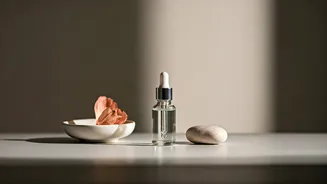









From Overload to 'Skinimalism'
For years, the beauty world has been dominated by an ethos of more: more steps, more actives, more products. Influenced by the intricate K-beauty routines, many of us built bathroom shelves groaning under the weight of essences, serums, ampoules, and
masks. But now, a collective fatigue has set in. Enter 'skinimalism,' also known as 'skip-care' or a 'skincare diet.' This trend isn't about neglecting your skin; it's about curating a minimal, effective routine that supports your skin's natural functions instead of overwhelming them. It’s a deliberate shift from treating your face like a science experiment to nurturing it with consistency and care. The goal is to declutter your routine, focusing only on what truly delivers results.
Why Less Is Suddenly More
The move toward simplicity is driven by several factors. Firstly, there’s the skin health argument. Dermatologists have long warned that bombarding the skin with too many active ingredients (like retinoids, vitamin C, and various acids) at once can compromise the skin barrier. This delicate outer layer is responsible for keeping moisture in and irritants out. When it's damaged, it can lead to sensitivity, redness, dryness, and breakouts—the very issues we’re often trying to fix. Secondly, there’s the economic and environmental angle. A simpler routine is kinder to your wallet and reduces packaging waste. Finally, it saves precious time. In our busy lives, the appeal of a quick, straightforward routine that still delivers healthy, glowing skin is undeniable. It’s about reclaiming your time and energy while still prioritising self-care.
The Core Three: Your New Foundation
So, what does a minimalist routine actually look like? It revolves around three non-negotiable pillars that every dermatologist agrees are essential for skin health. First is a gentle cleanser. Its job is to remove dirt, oil, and impurities without stripping your skin of its natural oils. Look for pH-balanced, sulphate-free formulas. The second is a functional moisturiser. This is crucial for hydrating the skin and supporting that all-important skin barrier. Choose a moisturiser suited to your skin type—whether it’s a lightweight lotion for oily skin or a richer cream for dry skin. The final, and arguably most important, step is a broad-spectrum sunscreen with at least SPF 30. This is your number one defence against premature ageing and skin cancer. For the Indian climate, a lightweight, non-greasy formula is often a game-changer. These three steps form the foundation of any effective skincare regimen.
How to Build Your Simple Routine
Transitioning to skinimalism doesn't mean throwing everything out overnight. Start by stripping your routine back to the core three: cleanse, moisturise, and apply SPF in the morning. Stick with this for a few weeks and observe how your skin responds. You might find it becomes calmer and more balanced. If you want to address specific concerns like pigmentation or acne, you can then mindfully introduce *one* targeted treatment, such as a vitamin C serum in the morning or a retinol serum at night. The key is to introduce products one at a time and give them several weeks to work before adding anything else. Pay attention to ingredients over marketing hype. A simple formula with proven actives is often more effective than a trendy product with a long, confusing ingredient list. Most importantly, listen to your skin. It will tell you what it needs—and what it doesn't.