


Adding a scoop of protein powder to pancakes, muffins, or even soups seems like an easy health hack. But if your results are dry, rubbery, or just taste 'off,' you're not alone. The secret to success lies in understanding the label.
More Than Just Protein
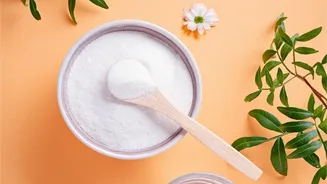
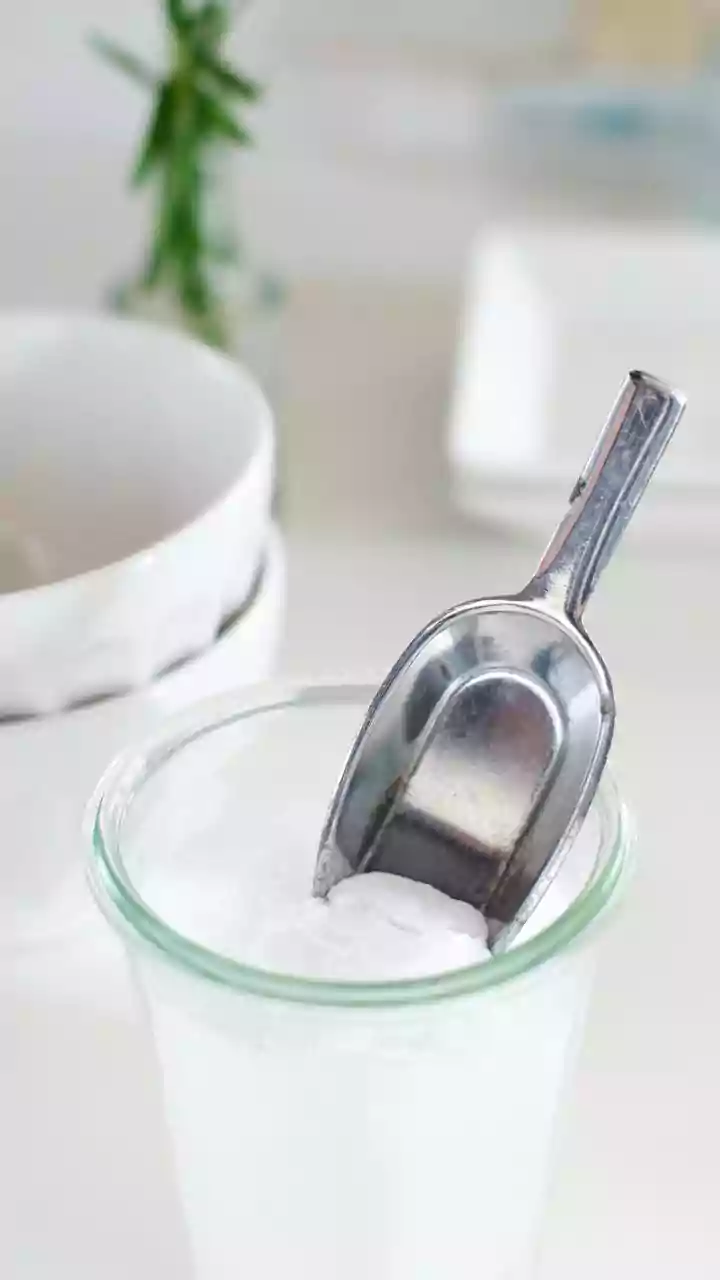
Protein powders look
like flour, but they don't act like it. Most are designed to be mixed into a cold shake, so they contain ingredients that create a thick, smooth consistency in liquid. When you introduce heat or use them in baking, these same ingredients can work against you. Simply swapping flour for protein powder is a recipe for disaster, often resulting in dense, dry, or rubbery baked goods. A good starting point is to replace no more than 25-33% of the flour in a recipe with protein powder. This boosts the protein content without completely sacrificing the structure that flour provides.
Choose Your Protein Wisely
The type of protein in your tub dramatically affects your recipe's outcome. Whey protein, a dairy derivative, is notorious for absorbing moisture and can make baked goods dry or rubbery if not balanced with wet ingredients like yogurt, banana, or pumpkin puree. Casein, another dairy protein, is more absorbent and can create a very dense texture, though it's sometimes useful in recipes that need thickening. Plant-based proteins (like pea, rice, or hemp) vary widely but are also very absorbent and can sometimes lend an earthy flavor. A whey/casein blend is often considered a good all-purpose option for baking as it balances structure and moisture retention.
Watch for Hidden Flavors and Sweeteners
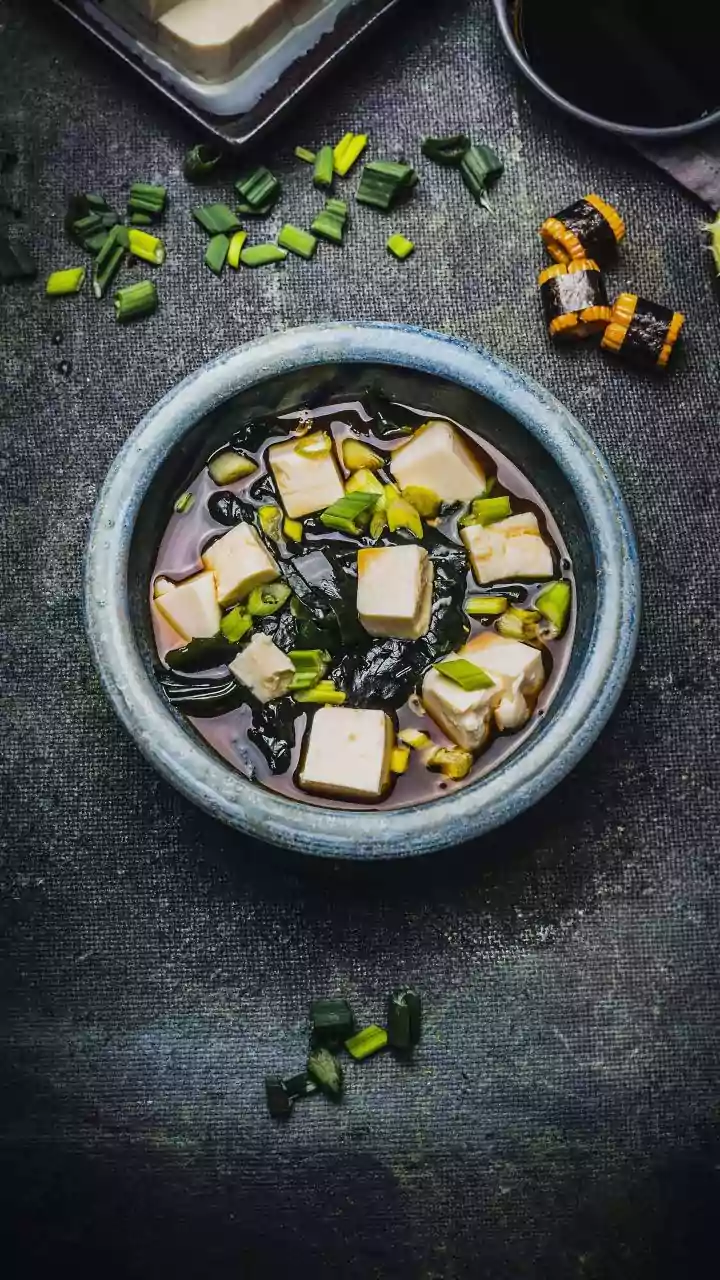
That vanilla-flavored powder that's delicious in your morning shake can quickly ruin a savory dish like a soup or sauce. Always check if your powder is flavored. For the most versatility in cooking, unflavored protein powder is the best choice, as it allows you to control the final taste profile yourself. Similarly, most powders contain sweeteners like stevia, sucralose, or monk fruit. When baking, these can make your treats overly sweet, especially if the recipe already calls for sugar. Some sweeteners, like sucralose, can even develop a bitter or metallic taste at high baking temperatures (above 177°C or 350°F).
Beware Gums and Thickeners
Ingredients like xanthan gum, guar gum, and lecithin are added to protein powders to make shakes thicker and creamier. While effective in a shaker bottle, these gums can make batters overly thick and result in a gummy texture in the final product. If you've ever had a protein pancake that felt dense and heavy, these additives might be the culprit. For baking, it's often better to choose a powder with a minimal ingredient list to avoid these textural wild cards. Clean, single-ingredient powders are much easier to troubleshoot in recipes.
Tips for Successful Protein Cooking
To get better results, always compensate for protein powder's tendency to absorb liquid. Add extra moisture to your recipes, such as applesauce, Greek yogurt, or an extra egg, to prevent dryness. It can also be beneficial to lower your oven temperature by about 15°C (or 25°F) as protein_heavy batters can brown or dry out faster. For savory dishes like soups or sauces, it's best to use an unflavored powder. To avoid clumps, create a paste by mixing the powder with a small amount of cold liquid first before stirring it into the larger dish near the end of the cooking time. This prevents the protein from denaturing too quickly and clumping in the heat.
Does Heat Destroy the Protein?
A common myth is that heating protein powder destroys its nutritional value. While heat does change the protein's structure—a process called denaturation—this is the same thing that happens when you cook an egg or a piece of meat. Your body can still break down and absorb the amino acids from denatured protein. So, rest assured that your protein_baked muffins and pancakes are still providing the protein benefits you're looking for.