






The Savvy Traveller’s Secret
In the world of travel, timing is everything. Most people plan their trips during one of two periods: peak season, when the weather is ideal but crowds and costs are at their highest, or the off-season, when prices are low but the weather can be challenging
and many attractions may be closed. But what if there was a third, smarter option? Welcome to the shoulder season, the sweet spot for travellers in the know. This period, falling just before or after a destination's peak tourist rush, offers a Goldilocks scenario: the weather is often still pleasant, but the crowds have thinned, and prices for flights and hotels become much more reasonable. It’s the difference between experiencing a destination and simply enduring it alongside thousands of others.
Fewer Crowds, More Authenticity
One of the most significant advantages of shoulder season travel is the simple luxury of space. Imagine exploring the majestic forts of Rajasthan or wandering through the ancient ruins in Greece without having to jostle for a photo. During these quieter months, you spend less time waiting in queues and more time soaking in the atmosphere. This leads to a more authentic and relaxed experience. Local communities are often less overwhelmed by tourism, allowing for more genuine interactions. Whether it's getting a table at a sought-after cafe without a reservation or having a historic site almost to yourself, the lack of crowds fundamentally improves the quality of your vacation.
Your Wallet Will Thank You
The financial benefits of travelling during the shoulder season are undeniable. With lower demand, airlines and hotels are forced to be more competitive, often dropping their prices significantly. Travellers can find savings of 20-40% or even more on flights and accommodation compared to peak summer dates. These savings extend beyond the big-ticket items; car rentals, guided tours, and even entry fees to some attractions can also be more affordable. This allows your budget to stretch further, meaning you could afford an extra night, a room upgrade, or simply come home with more money in your pocket.
Ideal Weather and Unique Experiences
Contrary to popular belief, peak season doesn't always mean the best weather. The height of summer in many destinations can be uncomfortably hot. Shoulder seasons, such as spring and autumn in Europe, often bring milder, more pleasant temperatures perfect for sightseeing. For India, the periods of September-November and February-March offer a comfortable climate for exploring heritage sites in Rajasthan or trekking in the Himalayas after the monsoon has passed. These seasons also come with their own unique appeal, such as the vibrant autumn foliage in many parts of the world, spring blooms in Europe, or local harvest festivals that you might miss during the peak tourist rush.
Shoulder Season Destinations for Indian Travellers
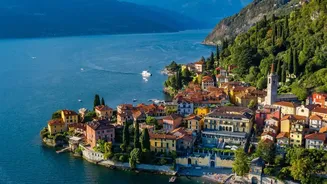
For those flying from India, the shoulder season opens up a world of possibilities. In Europe, consider visiting countries like Greece, Italy, or Spain in April, May, September or October. You’ll find pleasant weather, manageable crowds, and better value. For a trip to Southeast Asia, destinations like Thailand and Bali can be excellent during their shoulder months (like June-July for Thailand or November-December for Bali), offering great deals after the main rush. Domestically, think about Rajasthan in October-November or Kerala just after the New Year crowds depart in late January and February. Even Goa, typically crowded in December, offers a different kind of charm during its shoulder season from June to October, with lush green landscapes and quieter beaches.