






How AI Gets to Know Your Skin
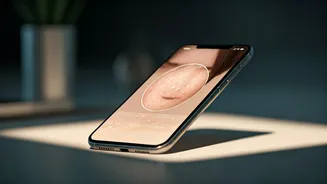
At its core, an AI skin analysis app uses your phone's camera to take a high-resolution photo of your face. This image is then processed by sophisticated machine learning algorithms, often called computer vision models, which have been trained on vast
libraries containing millions of images of different skin types and conditions. The AI scans your photo for specific visible features like fine lines, dark spots, uneven texture, visible pores, redness, and hydration levels. Within seconds, it generates a detailed report that scores these concerns, often mapping them directly onto your face to show you exactly where it sees them. This data-driven approach moves beyond vague self-assessments to provide a more objective snapshot of your skin's current state.
The Promise of a Perfect Routine
The main appeal of these apps is hyper-personalization. Instead of relying on generic product categories like "for dry skin," the technology promises to tailor recommendations to your unique needs. Based on its analysis, the app can suggest specific products with ingredients suited to tackle your identified concerns, like hyaluronic acid for dehydration or salicylic acid for clogged pores. Many apps also offer progress tracking, allowing you to monitor how your skin responds to a new routine over time by comparing scans. This creates a feedback loop that helps you refine your regimen based on visible results, potentially saving you time and money by avoiding products that don't work for you.
Accuracy, Bias, and Other Hidden Risks
While impressive, this technology has significant limitations. The accuracy of a scan can be heavily influenced by external factors like lighting, shadows, and your phone's camera quality. A major concern is dataset bias; many AI models are trained predominantly on images of lighter skin tones, which can lead to lower accuracy and missed conditions for individuals with darker skin. This could deepen existing inequalities in dermatological care. Furthermore, there is a risk of misinterpretation. An app might flag a harmless mole as high-risk, causing unnecessary anxiety, or worse, dismiss a serious issue like melanoma as low-risk, leading to a dangerous delay in seeking professional care.
What Do Dermatologists Think?
Most dermatologists view AI skin apps with cautious optimism. They acknowledge the potential of these tools to increase public engagement with skin health and provide a useful way to track cosmetic concerns over time. However, they are firm that these apps are not a substitute for a board-certified dermatologist. Experts warn against using them for medical diagnoses, as many apps that claim diagnostic abilities lack robust scientific evidence and regulatory approval. A recent analysis published in JAMA Dermatology highlighted concerns about a lack of transparency, inconsistent validation, and questionable data handling practices among many available apps. The consensus is clear: use these apps for cosmetic guidance, but for any medical concern, a human expert is irreplaceable.
Your Data and Your Privacy
When you upload a selfie for analysis, you are sharing sensitive personal data. Your facial image can be classified as biometric data, which is subject to stringent privacy regulations like the GDPR in Europe. Many app privacy policies can be vague about how your images and data are stored and used, with some indicating data may be used for research or further app development. Before using any skin app, it's crucial to read the privacy policy to understand what you're consenting to. Look for information on whether your images are stored, if they are anonymized, and with whom they might be shared.