




The Rise of India’s Astro-Villages
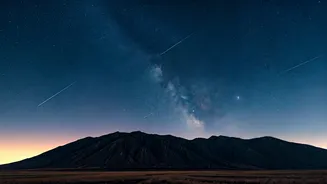
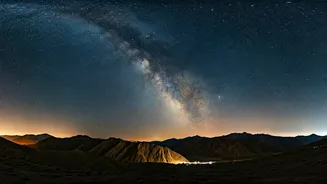
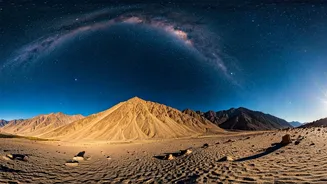
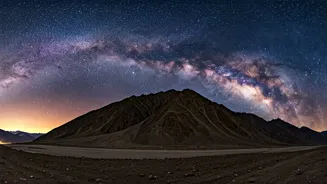
In recent years, Ladakh has leaned into its natural advantage: some of the clearest, darkest skies on Earth. This has given rise to a unique form of sustainable travel known as astrotourism. Spearheading this movement is Hanle, home to India's first-ever
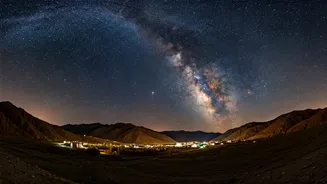
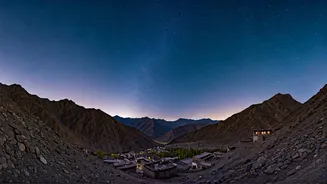
Dark Sky Reserve. This official designation means the area is protected from light pollution, making it a paradise for stargazers. The initiative, however, goes beyond just preserving darkness. It's a community-led project where local villagers are being trained as 'astronomy ambassadors'. Many homestays have been equipped with telescopes, allowing travellers to get a guided tour of the cosmos right from their accommodation. This model empowers the local economy while offering an authentic, educational experience for visitors.
A Perfect Celestial Storm in July
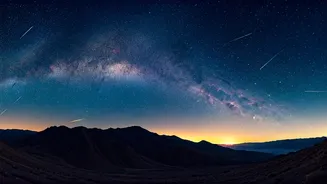
The late July surge isn't a coincidence; it’s timed perfectly with a spectacular celestial calendar. While the famous Perseid meteor shower peaks in August, its activity begins in late July, offering early birds a fantastic show. More significantly, the end of July hosts the peak of a double meteor shower event: the Southern Delta Aquariids and the Alpha Capricornids. Together, they can produce a steady stream of meteors, with the Capricornids being known for producing dazzlingly bright fireballs. Furthermore, July 2026 features several planetary alignments visible in the pre-dawn sky, including close conjunctions of the Moon with Saturn and Mars. The month culminates with the Full Buck Moon on July 29th, offering another stunning sight. For astrophotographers and enthusiasts, this combination of events makes late July an unmissable period.
Ideal Weather and Peak Access
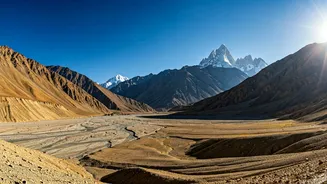
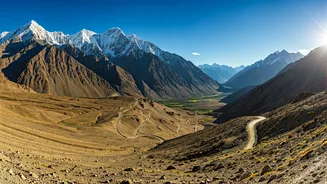
Celestial events are only part of the story; the weather has to cooperate. July is a sweet spot for visiting Ladakh. It marks the peak of summer when the harsh winter has long passed, and the region's high-altitude roads, including crucial passes like Khardung La, are reliably open. This makes accessing remote destinations like Hanle, Pangong Lake, and the Nubra Valley much easier. While Ladakh lies in a rain shadow, meaning it receives very little monsoon rainfall, the summer months offer the most pleasant weather. Daytime temperatures in Leh are comfortable, typically around 21-25°C, although nights remain chilly, requiring warm layers. This combination of peak accessibility and stable, clear weather conditions creates the perfect window for tourism, which has seen an overall surge in 2026.
More Than Just Stargazing
The appeal of Ladakh's astronomy villages is rooted in a unique blend of science, culture, and adventure. A trip to Hanle is not just about looking through a telescope. It’s about staying in a family-run homestay, learning about the local Changpa nomadic culture, and hearing cosmic tales from grandparents. The journey itself is an adventure, involving drives across some of the world's highest motorable passes. These community-based tourism initiatives, actively supported by institutions like the Indian Institute of Astrophysics (IIA), are designed to be sustainable. By training locals and integrating astronomy into the existing homestay network, the project ensures that the economic benefits of tourism are distributed directly within the community, creating a model where development and conservation can coexist.