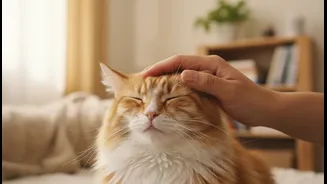









The Soothing Science
The long-held belief that pets are good for our mental health is now being backed by concrete physiological evidence. Scientists have been exploring the human-animal bond and are finding that these interactions can lead to measurable changes in our bodies.
The key player in this is often cortisol, a hormone our body releases in response to stress. Consistently high cortisol levels can contribute to anxiety and other health issues. Research has shown that positive interactions with animals can decrease these cortisol levels, providing a biological basis for that feeling of calm you get when petting your dog or cat. It’s not just about reducing the bad stuff; it's also about increasing the good. Playing with or stroking a pet can elevate levels of serotonin and dopamine, neurotransmitters that have a calming and relaxing effect.
Just Ten Minutes Can Make a Difference
You might think it takes a long time to de-stress, but recent studies suggest the effects can be remarkably quick. Researchers at Washington State University conducted a study with college students, a group often dealing with significant academic and social pressures. They found that just 10 minutes of hands-on interaction with cats and dogs resulted in a significant reduction in students' salivary cortisol levels. This was the first study to demonstrate such a physiological benefit in a real-life setting rather than a controlled lab. The most powerful effects were seen in the group that could directly pet and play with the animals, compared to groups that only watched others, saw pictures, or waited quietly. This suggests that direct, physical interaction is a key component of the stress-reducing power of pets.
A Complicated Comfort
While the general trend points towards pets being a positive influence, the science is nuanced. A very recent study from June 2026 suggests that while pet interaction generally boosts positive emotions, it may not specifically buffer stress in the exact moment it occurs. In other words, while you might feel happier overall from spending time with your pet, it doesn't necessarily erase the stressful feelings from a bad day at work in that instant. Interestingly, the same study noted that for some cat owners who were already stressed, interacting more with their pet could sometimes intensify negative feelings. Researchers theorise that the benefits may come less from immediate stress-busting and more from the long-term sense of companionship and feeling less alone, which contributes to overall emotional well-being.
Is There a Difference Between Dogs and Cats?
The classic debate between dog people and cat people often extends to which makes a 'better' companion. When it comes to stress, the answer is less about the species and more about the individual animal and the owner's preference. A 2024 study that measured brain waves found that activities like playing with and walking a dog boosted alpha-band oscillations, linked to relaxation, while grooming a dog strengthened beta-band oscillations, linked to concentration. Meanwhile, other research highlights that cat owners report feeling happier and less nervous than people without pets. More recent work from 2025 suggests that certain cats possess the ideal social traits to be therapy animals, similar to dogs, being more tolerant of handling and more attention-seeking. Ultimately, the strength of the bond, rather than whether you have a dog or a cat, seems to be the most important factor for emotional benefits.
Beyond the Cuddle: Routine and Responsibility
The stress-reducing benefits of pet ownership aren't just about the moments you spend petting them on the couch. The routines and responsibilities that come with caring for an animal also play a significant role. Dog owners, for example, are significantly more likely to meet daily exercise guidelines. This physical activity is a well-known mood booster, releasing endorphins that act as natural 'feel-good' chemicals. The simple act of caring for another living being provides a sense of purpose and can reduce feelings of loneliness, a major contributor to poor mental health. These daily rituals—the morning walk, the scheduled feeding times, the quiet grooming session—provide a comforting structure to the day, which can be grounding during stressful periods and help foster a sense of stability and self-compassion.