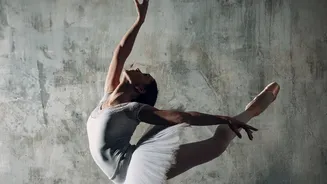



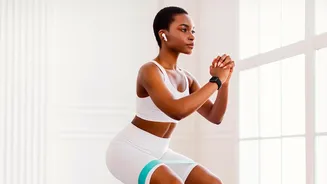
Forget stuffy studios and strict technique. A new wave of ballet-inspired fitness is here, offering a powerful workout that builds serious cardio stamina and postural control, proving that grace and strength are a perfect match.
More Than Toning
When you hear 'ballet fitness',
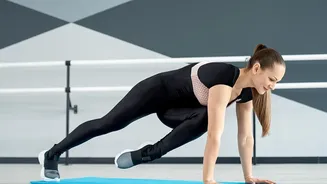
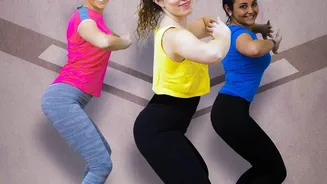
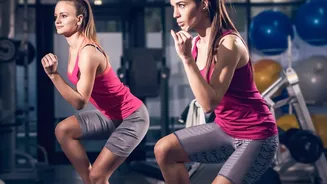
you might picture poise and flexibility. While you'll certainly get that, these classes are designed as a full-body workout, not just dance practice. Formats like Barre, Ballet Fusion, and Body-Ballet borrow foundational principles from classical dance—like specific postures and movements—and blend them with elements of Pilates, yoga, and traditional strength training. The focus is on high-repetition, low-impact movements and isometric holds. Think less about complex choreography and more about using your own body weight to fatigue muscles in a controlled, safe way. This makes the workout accessible even if you've never danced a day in your life.
The Cardio Surprise
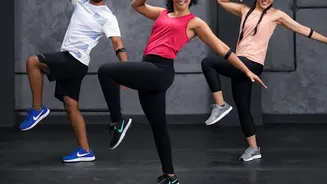
A common question is whether a workout without jumping or running can truly challenge your heart. The answer is a resounding yes. Ballet fitness classes are structured to keep you moving continuously from one exercise to the next with minimal breaks. By engaging multiple large muscle groups at once—from your glutes and thighs to your core—your heart has to work harder to pump blood, effectively elevating your heart rate. This constant effort builds cardiovascular endurance over time. It's a form of low-impact aerobic training that strengthens your heart and improves circulation without pounding your joints, making it a sustainable fitness choice for the long term.
A Foundation of Control and Posture
This is where the ballet influence truly shines. The workout is built around creating long, lean muscles and a strong, stable core. Exercises like pliés (knee bends), relevés (rising onto the balls of your feet), and leg lifts demand precise control and constant core engagement. This intense focus on alignment helps strengthen the deep stabilizing muscles in your abdomen and back that are essential for good posture. Instructors guide you through subtle adjustments to ensure you're lifting through your spine and keeping your shoulders relaxed, training your body to maintain better alignment not just in class, but in everyday life.
The Mind-Body Connection
Beyond the physical burn, one of the most significant benefits is the enhanced mind-body connection. The small, controlled movements require intense focus. You have to concentrate on your form, muscle engagement, and alignment, which can act as a form of moving meditation that quiets daily stress. This process improves proprioception, or your awareness of your body's position in space. Over time, you don’t just get stronger; you learn to move with greater intention and grace. Participants often leave class feeling not just worked out, but also centered and mentally refreshed.
What to Expect in Your First Class
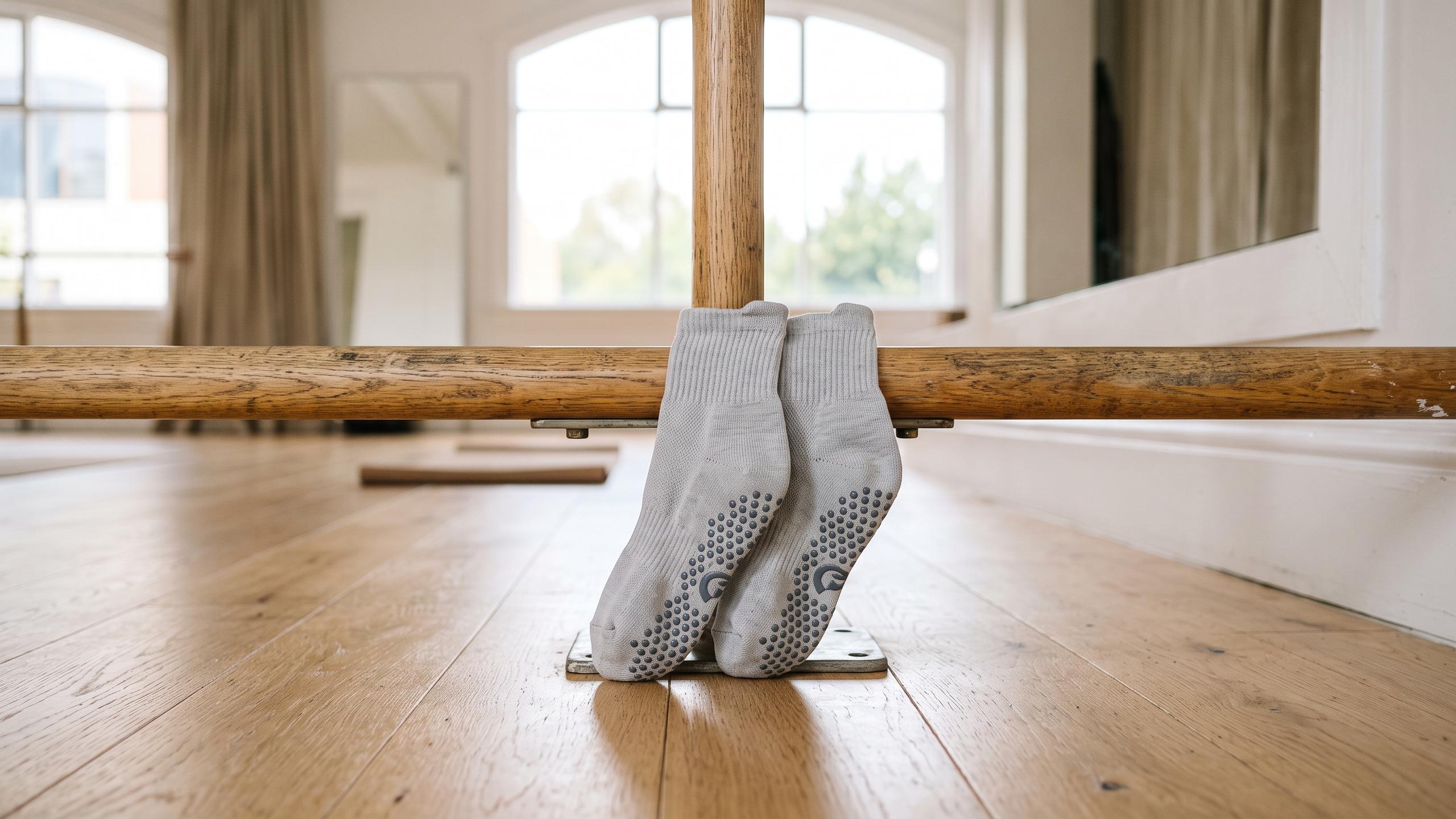
Feeling intimidated? Don't be. These classes are designed for beginners. You don't need a leotard or pointe shoes; comfortable athletic wear like leggings and a fitted top is perfect. A typical class lasts 45 to 60 minutes, starting with a warm-up, moving to exercises at the barre (or a sturdy chair) for lower body work, then often transitioning to a mat for core and arm exercises. The atmosphere is supportive, and the instructor will emphasize proper form over speed or range of motion. The focus is on feeling the muscles work correctly and safely.