



Embrace the Power of Bodyweight
Your own body is the most convenient and effective piece of workout equipment you own. Bodyweight exercises, also known as calisthenics, are foundational movements that build functional strength for everyday life. Think about it: a squat mimics the motion
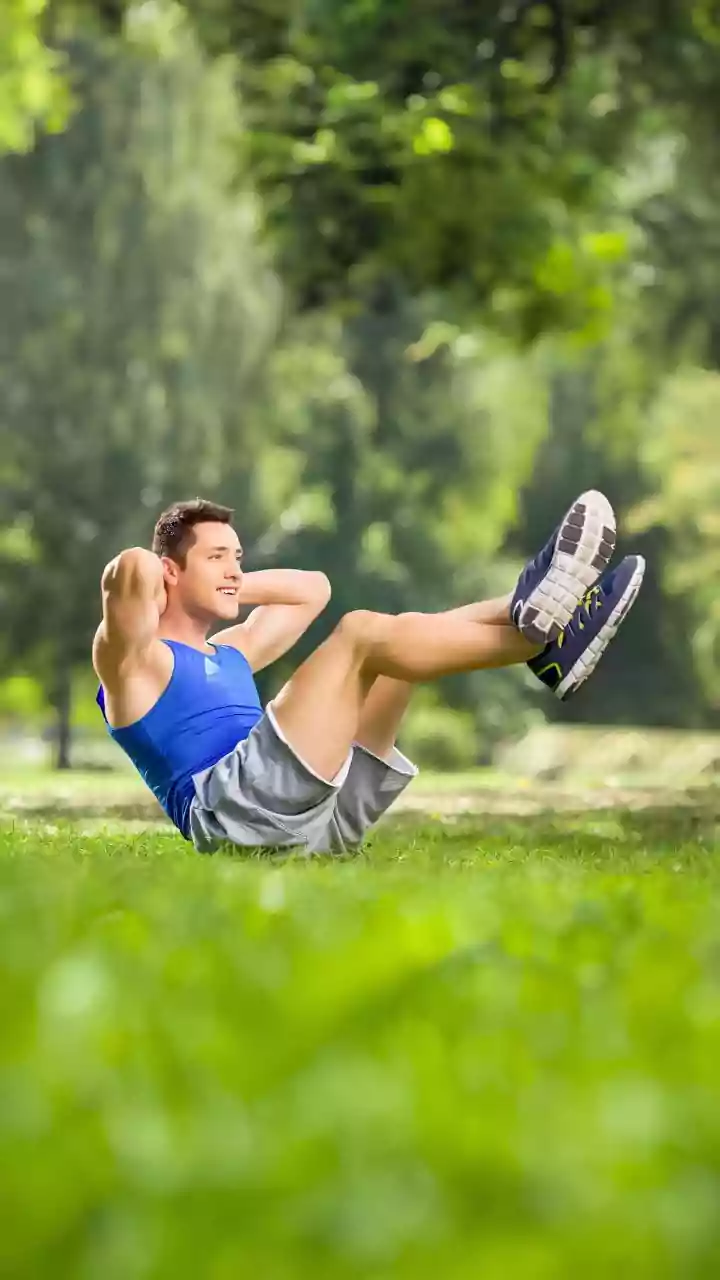
of sitting and standing, while a lunge is a common movement for picking things up. For beginners, these exercises are perfect because they teach you to control your own body first, which can lower the risk of injury compared to using heavy weights. Key moves like squats, push-ups (which can be modified on your knees), planks, and glute bridges create a full-body workout by engaging multiple muscle groups at once. This helps improve core stability, balance, and even posture.
Create a Simple and Sustainable Plan
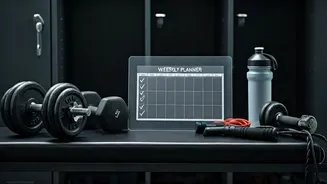
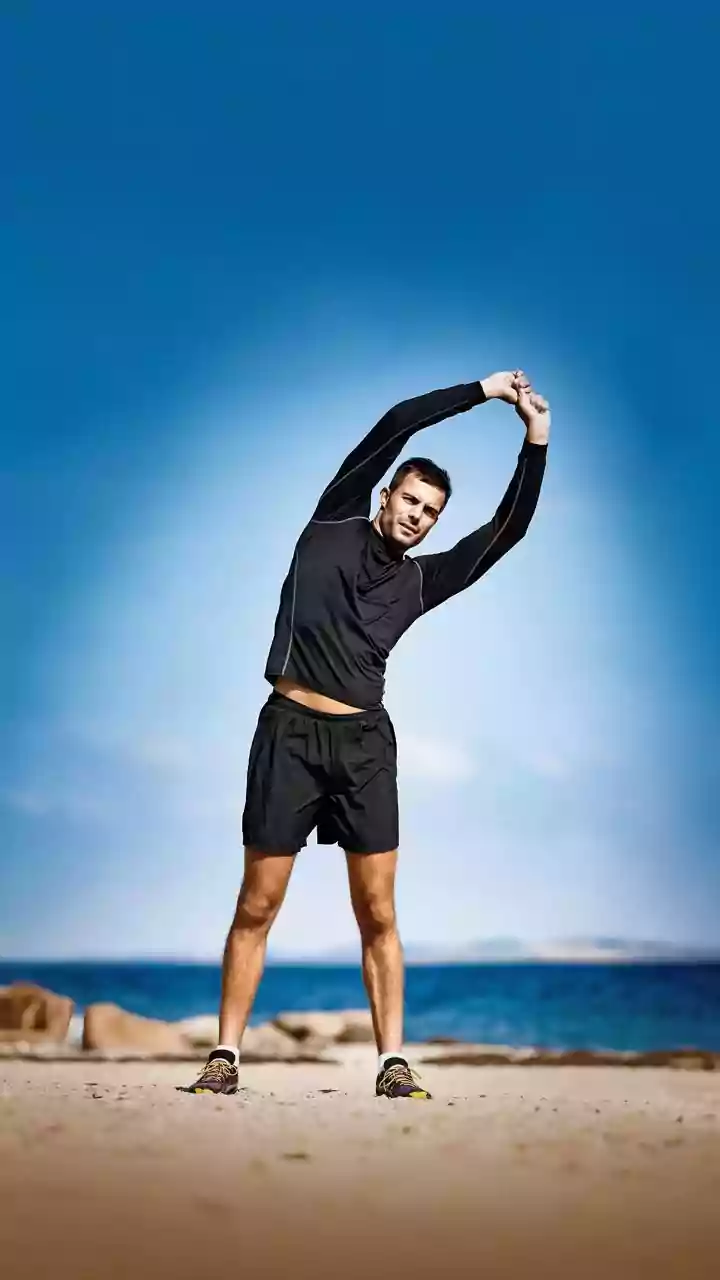
The secret to long-term success isn't intensity; it's consistency. Aiming for perfection often leads to burnout. Instead of committing to seven days a week, start with a realistic goal, like exercising three times a week for 20-30 minutes. You can schedule these workouts like any other important appointment to make them a non-negotiable part of your routine. A balanced beginner's plan should include a mix of strength, cardio, and flexibility. For example, you could schedule two days for bodyweight strength circuits and one day for a brisk walk, jog, or a fun dance video online. It’s also crucial to include rest days to allow your muscles to recover and prevent injury.
Basic Exercises to Begin Your Journey
Getting started is less about complexity and more about mastering a few key movements. A simple circuit can be highly effective. Try performing each of the following exercises for 30-45 seconds, resting for 15-20 seconds between moves. Complete the whole circuit 2-3 times. - Bodyweight Squats: Stand with feet shoulder-width apart and lower your hips as if sitting in a chair, keeping your chest up. - Incline Push-ups: Place your hands on a sturdy chair or countertop. This reduces the weight you're pushing and is a great entry point to a full push-up. - Planks: Hold a push-up position, either on your hands or forearms, keeping your body in a straight line from head to heels. - Lunges: Step forward with one leg and lower your hips until both knees are bent at a 90-degree angle. - Glute Bridges: Lie on your back with knees bent and feet flat on the floor. Lift your hips toward the ceiling, squeezing your glutes.
Affordable Gear to Elevate Your Workouts
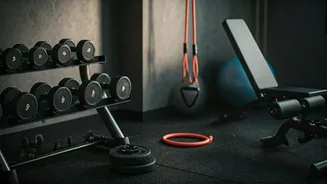
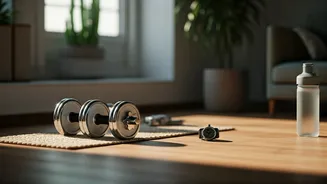
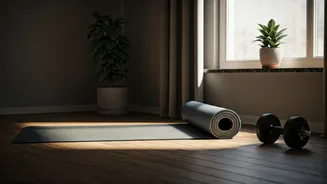
While not essential, a few low-cost items can add variety and resistance to your home workouts. Resistance bands are incredibly versatile, allowing you to perform pulling exercises that are difficult to replicate with bodyweight alone, helping to strengthen your back. An exercise mat provides a comfortable, stable surface for floor exercises. For those ready to add a bit more of a challenge, a set of adjustable dumbbells is a space-saving investment that can grow with you as you get stronger, allowing you to progressively increase the weight for exercises like rows, presses, and squats.
Staying Motivated for the Long Haul
Working out at home alone means you are your own cheerleader, which can be challenging. To stay on track, find ways to make exercise enjoyable. Create a playlist that pumps you up or listen to a podcast. Tracking your progress in a journal can be a powerful motivator; note how you feel, how many reps you completed, or how long you held a plank. Seeing your own improvement in black and white is incredibly rewarding. It can also help to find an accountability partner, even just a friend you can text before or after a workout. Finally, celebrate your wins, whether it's completing a full week of planned workouts or holding a plank for 10 seconds longer than you could before.