




A Season of High Hopes and Higher Costs
The 2026 festive season is shaping up to be a blockbuster for retailers, with spending expected to grow by 25-29% to over ₹1.5 lakh crore. While consumer sentiment is strong, this optimism is clashing with the hard reality of inflation. Rising prices
for essentials like food and fuel are forcing families to look closer at their discretionary budgets. Retail inflation ticked up to 4.82% in August 2026, with food inflation even higher at 5.95%. This means that while people are emotionally ready to spend, their financial capacity might be stretched thin, creating a complex financial picture for households across the country.
The Soaring Price of a Trip Home
For millions, festive celebrations mean travelling back to their hometowns, but this year, that journey comes with a hefty price tag. Airfares on popular domestic routes have surged, in some cases doubling or tripling compared to normal prices. For instance, a typical one-way flight from Mumbai to Kolkata, which usually costs around ₹7,000, is now approaching ₹15,000. Similar spikes are seen on routes like Bengaluru-Kolkata and Delhi-Mumbai. This is driven by high demand, limited flight capacity, and a significant increase in Aviation Turbine Fuel (ATF) costs, which make up over 40% of an airline's operating expenses. While the government has decided against capping fares, it is advising airlines to keep prices reasonable. Hotel rates in popular leisure destinations are also up by 8-10% compared to last year, with bookings pacing 10-15% ahead.
Navigating the Shopping Squeeze
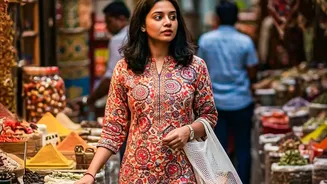
Gifts, new clothes, and home goods are central to festive celebrations, but these items are also more expensive. While fashion is expected to lead shopping lists, followed by home decor and electronics, inflation is a major concern. The cost of gold and silver jewellery, a traditional Dhanteras purchase, has seen a particularly sharp increase. Despite these pressures, overall spending intent remains high. One survey found that 77% of Indian consumers plan to increase their festive shopping budgets this year. However, this figure is down from 83% last year, suggesting a degree of caution. Interestingly, while fewer people are increasing their budgets overall, the segment of high-ticket spenders—those willing to spend over ₹50,000—has actually grown slightly.
How Households Are Adapting
In response to rising costs, Indian families are becoming more strategic with their spending. Many are starting their shopping earlier to take advantage of deals, with about half of consumers beginning their purchases two to four weeks before a festival. There is also a notable shift in spending patterns, with consumers in Tier-2 cities outspending their Tier-1 counterparts in the mid-budget segment of ₹10,000 to ₹25,000. Technology is also playing a bigger role, as shoppers increasingly use AI-powered tools for product discovery and virtual try-ons. Ultimately, while the desire to celebrate is strong, households are making calculated decisions, prioritising needs, and looking for value to ensure the festive spirit doesn't come at an unsustainable financial cost.