




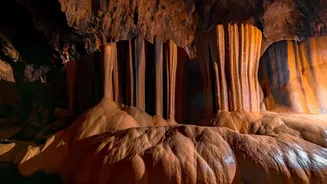
Forget everything you think you know about caves. In Slovenia, a journey into the earth begins not with a hike, but with a train ride. This is Postojna Cave, a subterranean world so vast and enchanting it redefines the caving experience.
A Train to the Centre of the Earth
The adventure
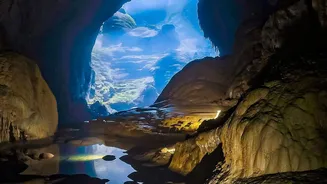
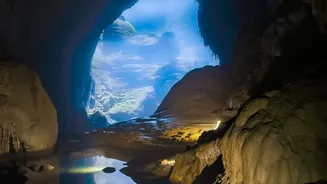
at Postojna Cave starts unlike any other. Visitors board the world's only double-track cave railway for a 3.7-kilometre journey deep into the mountain. First opened in 1872, the railway was initially just carts pushed by guides. Today, an electric train whisks you through tunnels and into vast caverns, revealing glimpses of a landscape sculpted over millions of years by the Pivka River. As you travel, grand halls open up around you, their scale almost impossible to grasp, setting the stage for the walking tour that delves even deeper into this limestone labyrinth. The train ride isn't just a convenience; it’s an integral part of the spectacle, offering a cinematic introduction to a hidden world.
A Gallery Sculpted by Water
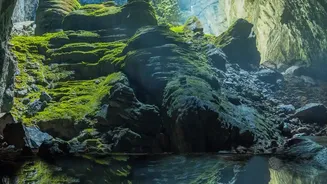
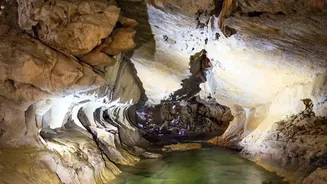
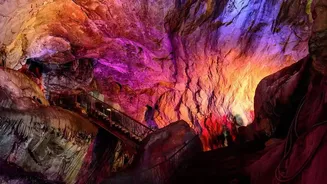
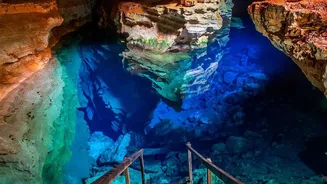
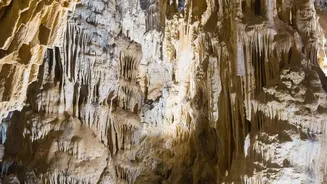
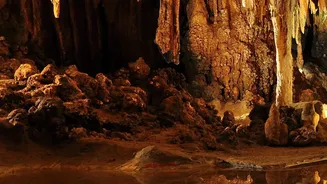
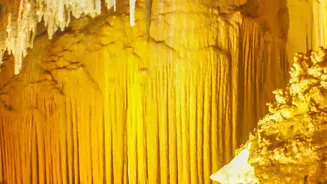
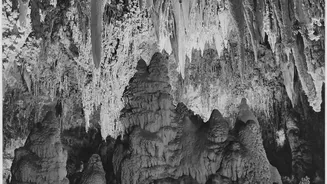
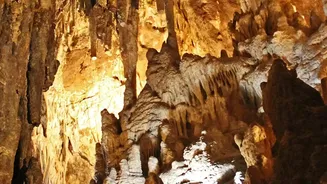
Once off the train, you enter a gallery of natural art. The cave system, stretching over 24 kilometres, is a masterpiece of karst geology. Over millions of years, dripping water rich in calcite has created an astonishing variety of speleothems—the correct term for cave formations. You’ll wander through forests of stalagmites rising from the floor and past curtains of stalactites hanging from the ceiling. Some formations are pure white, while others are stained red and orange by mineral impurities. There are even delicate, hollow formations known as 'spaghetti'. The most famous of all is 'Brilliant', a five-metre-tall, glistening white stalagmite that has become the symbol of the cave. Nearby stands a 16-metre-tall formation aptly named 'Skyscraper'. Each chamber reveals a new wonder, a testament to the slow, patient artistry of nature.
A Concert Hall Beneath the Ground
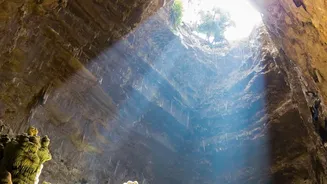
One of the most awe-inspiring sections of Postojna Cave is the Concert Hall. This enormous cavern is so vast it can hold up to 10,000 people. Its name is no exaggeration; the hall boasts exceptional natural acoustics, with an echo that can last for several seconds. Over the years, it has hosted performances by symphony orchestras, soloists, and choirs, transforming the subterranean space into a truly unique venue. Murano glass chandeliers, a seemingly fantastical addition, hang from the ceiling, adding to the magical atmosphere. Standing in this immense space, you can feel the sheer scale of the cave system and understand why its first modern explorer, Luka Čeč, reportedly exclaimed in 1818, 'Here is a new world, here is paradise!'.
Meet the Local 'Baby Dragons'
Postojna Cave is not just a geological marvel; it is also a cradle of speleobiology. Its most famous resident is the olm, or Proteus anguinus, a blind aquatic salamander sometimes called the 'human fish' because of its pale, pinkish skin. Endemic to the karst caves of this region, the olm is perfectly adapted to life in eternal darkness. It has undeveloped eyes, breathes through external gills, and can live for up to 100 years, surviving for a decade or more without food. Ancient legends held that these strange creatures were the offspring of a dragon that lived deep inside the mountain. Today, visitors can see these fascinating animals in a carefully maintained aquarium on the tour route, a living link to the cave's mysterious ecosystem. A successful breeding program in 2016, which was a global sensation, has ensured the survival of these 'baby dragons' for future generations to admire.