



Beyond the Postcard Picture
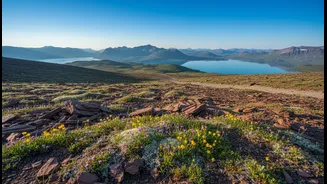
The journey to Changthang, the vast high-altitude plateau in eastern Ladakh, is often framed as a quest for the perfect photograph. Travellers arrive with a checklist: the colour-changing waters of Pangong Tso, the serene shores of Tso Moriri, a selfie
with a Himalayan Marmot. While these sights are undeniably breathtaking, this focus on capturing images often overshadows the profound and fragile reality of the land. Unchecked tourism, characterized by off-road driving on delicate grasslands and the generation of plastic waste, puts immense pressure on this unique cold desert ecosystem. The real value of a journey here isn't in the pictures you take, but in the understanding you gain.
A Land of Extremes
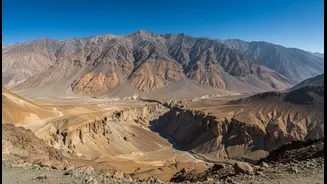
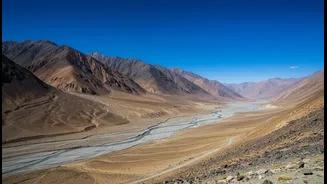
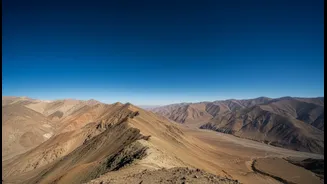
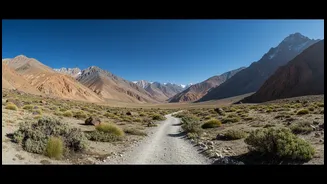
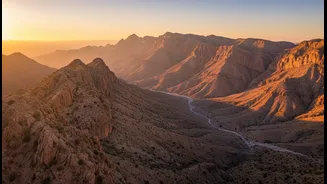
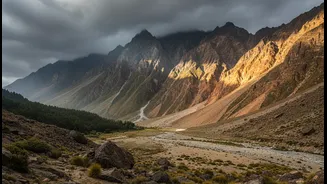
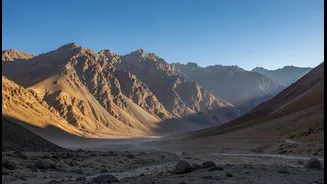
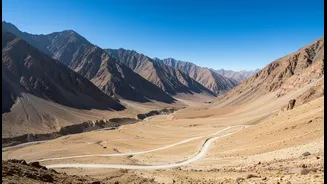
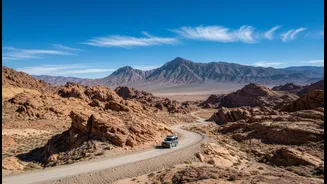
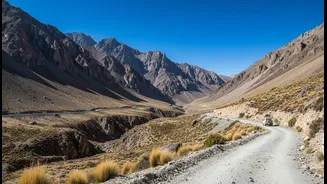
Situated at an average altitude of 4,500 metres, Changthang is a land of harsh beauty and extreme conditions. It is a high-altitude cold desert where the air is thin and the weather unpredictable. This environment, which seems barren at first glance, supports a unique and delicate ecosystem. The region is part of the Changthang Cold Desert Wildlife Sanctuary, a protected area created to safeguard its rare inhabitants. The sparse vegetation is crucial for both the local wildlife and the nomadic communities who depend on it for their livestock. Understanding this fragility is the first step towards responsible travel. Driving off designated roads, for instance, can damage the grazing lands that take years to recover, impacting the entire food chain.
The Resilient Changpa People
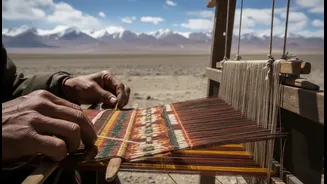
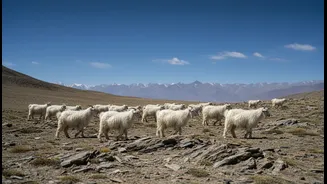
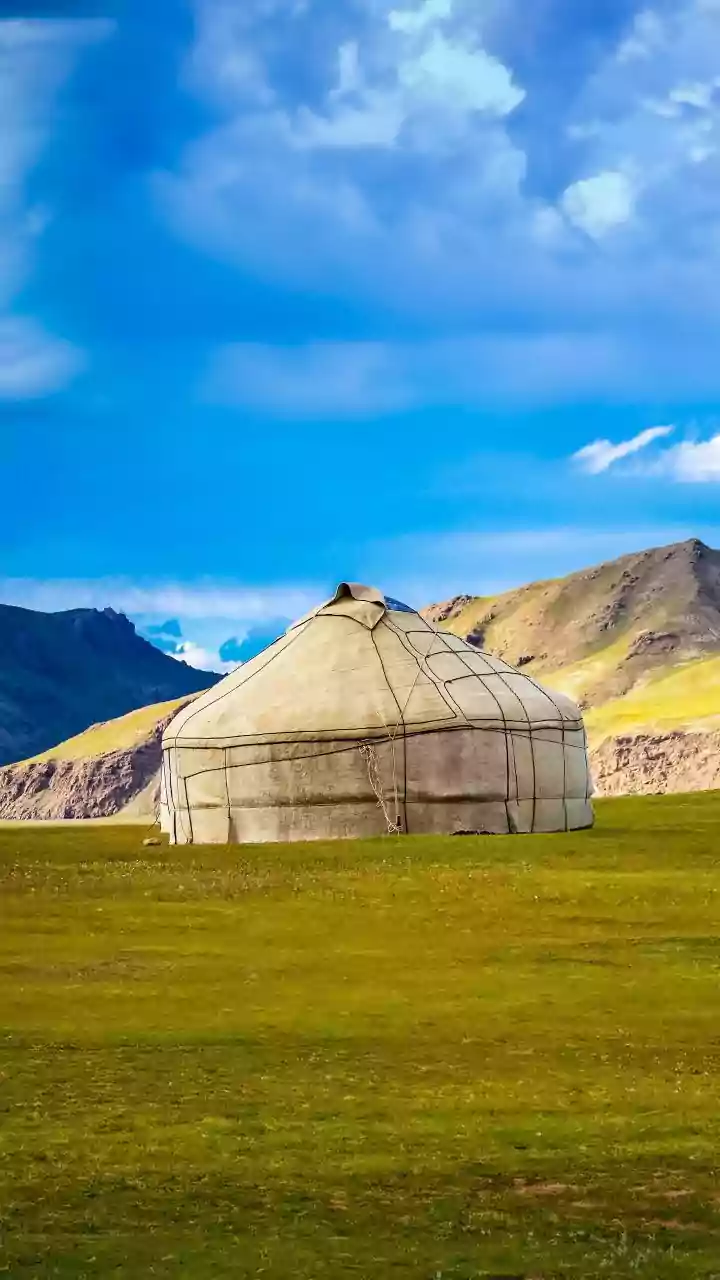
For centuries, the Changthang has been home to the Changpa, a semi-nomadic pastoralist community. They are not merely residents of this landscape; they are its custodians. Their lives are intricately woven with the seasons and the health of their livestock, primarily the famed pashmina goats that produce some of the world's finest cashmere. To see the Changpa as a colourful photo opportunity is to miss their story of resilience, adaptation, and deep connection to the land. Today, they face mounting challenges: climate change alters weather patterns, geopolitical tensions restrict access to traditional grazing pastures, and the lure of urban life tempts the younger generation away from nomadic traditions. Engaging with their culture respectfully, perhaps through a community-run homestay or by purchasing their authentic handicrafts, offers a far richer experience than a fleeting photograph.
Wildlife in a Fragile Balance
The Changthang is a sanctuary for species that have adapted to one of the world's toughest environments. It is one of the few places to see the Kiang (Tibetan wild ass) galloping across the plains, or to spot the rare and elegant black-necked crane during its breeding season. Lucky visitors might even catch a glimpse of the elusive snow leopard. However, this wildlife is extremely sensitive to disturbance. Loud noises from vehicles can cause stress and disrupt natural behaviours. Approaching animals too closely or attempting to feed them can have dangerous consequences. Responsible wildlife viewing means maintaining a respectful distance, using binoculars, and never chasing or cornering an animal for a better shot. The privilege of seeing these creatures in their natural habitat comes with the responsibility to protect them.
A New Traveller's Checklist
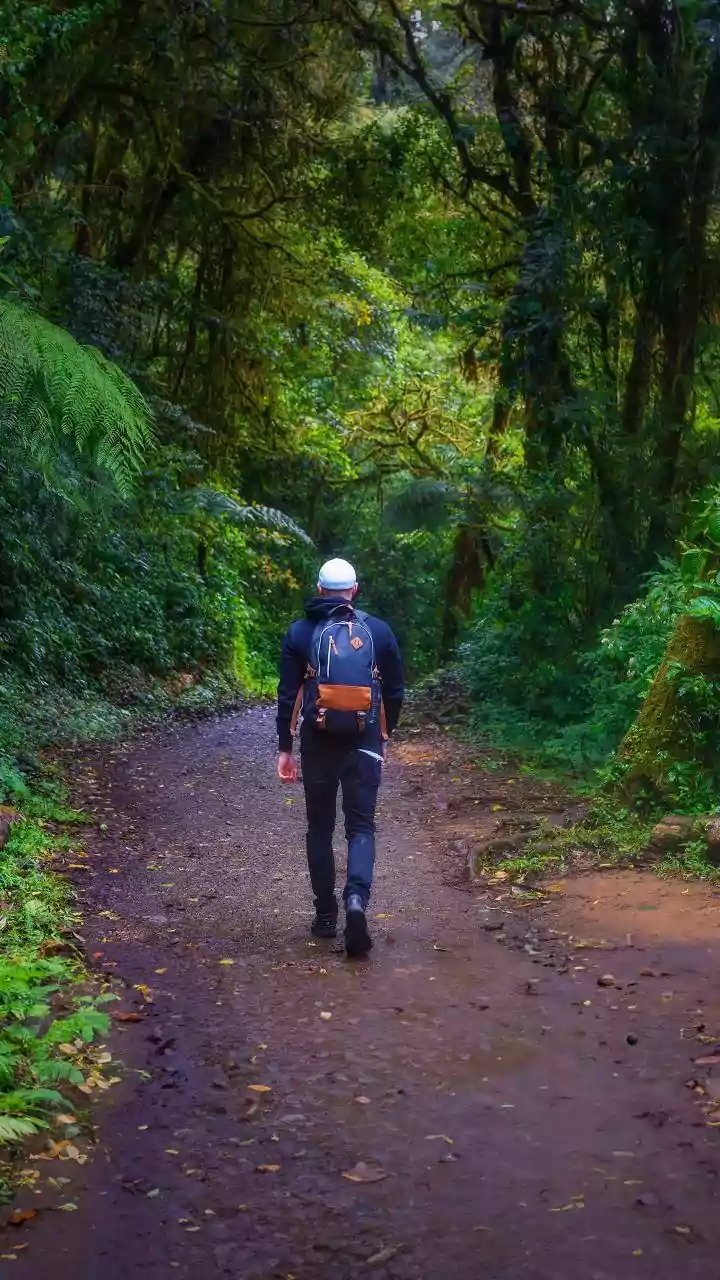
Instead of a checklist of places, consider a checklist of principles. Before you go, acclimatize properly in Leh for at least 48 hours to avoid altitude sickness. Pack a reusable water bottle and refuse single-use plastics to combat the region's growing waste crisis. When you're there, stay on designated roads, hire local guides who understand the ecosystem, and dress modestly when visiting monasteries. Instead of just seeing the sights, try to understand their significance. Learn about the pashmina economy, the spiritual importance of the monasteries, and the challenges facing the local communities. This approach transforms a simple holiday into a meaningful exchange, enriching your own journey while respecting the home of your hosts.