



The Cosmic Debris of Halley's Comet
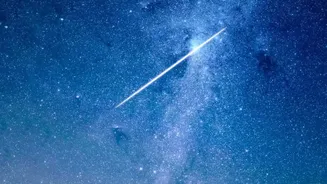
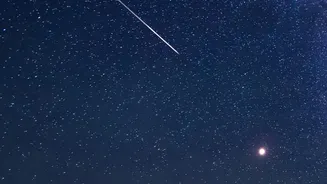
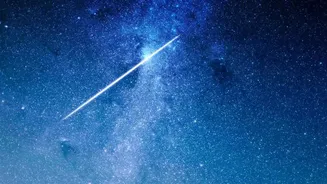
The Orionid meteor shower is an annual celestial event that occurs when Earth passes through the stream of debris left behind by the famous Halley's Comet. These tiny particles, often no bigger than a grain of sand, burn up upon entering our atmosphere
at incredible speeds, creating the beautiful streaks of light we call meteors or 'shooting stars'. The Orionids are known for being particularly fast and can sometimes leave glowing trails that last for several seconds. They are named 'Orionids' because the meteors appear to radiate from a point in the constellation Orion, the Hunter.
Best Dates and Times for Viewing in 2026
Mark your calendars for the pre-dawn hours of October 21st and 22nd, 2026. This is when the shower is predicted to reach its peak activity. While some forecasts note the absolute maximum might occur a day later, treating both nights as a viewing window is your best strategy. The main challenge in 2026 is a bright waxing gibbous Moon, which will be about 80% full and will light up the sky for the first half of the night. However, there is a silver lining: the Moon will set around 3 a.m. local time, opening up a window of true darkness until dawn begins to break. This pre-dawn period is your prime time for viewing.
Escape the Glow: Finding Your Urban Oasis
The biggest obstacle for any city-based stargazer is light pollution. While you can't eliminate it completely, you can minimise it. Seek out the darkest possible spot available to you. This could be a large park, a golf course on the outskirts of the city, or even a high-rise rooftop that gets you above some of the direct street-level glare. The goal is to find a location with a wide, unobstructed view of the sky, away from immediate and direct sources of light like streetlamps and building lights. Even a short drive away from the dense urban core can make a significant difference in what you'll be able to see.
Let Your Eyes Do the Work
This is the most crucial and often overlooked step. Your eyes need time to adapt to the darkness to see faint meteors. It takes about 20 to 30 minutes for your pupils to fully dilate and for your night vision to kick in. During this time, avoid looking at any bright lights, especially your phone screen. A single glance can reset the entire process. If you must use a light, a red torch is best as it has the least impact on your night vision. Patience is key; the longer you allow your eyes to adjust, the more meteors you will spot.
Why Your Eyes Are the Best Tool
The headline is right: you do not need a telescope. In fact, telescopes and even most binoculars are not ideal for watching meteor showers. Meteors streak across vast swathes of the sky unexpectedly, and the narrow field of view of a telescope means you'd almost certainly miss them. Your naked eyes, once dark-adapted, provide the widest possible view of the celestial stage. If you have a pair of standard binoculars (like 7x50 or 10x50), they can be a fun accessory to scan the star fields of the Milky Way while you wait, but they are not necessary for spotting the meteors themselves. The best strategy is simply to lie back and look up.
Get Comfortable for the Wait
Meteor watching is a game of patience, so comfort is essential. The pre-dawn hours in late October can get chilly, even in many parts of India. Bring a reclining chair or a blanket to lie on. Dressing in layers, packing a warm drink like tea or coffee, and having some snacks on hand will make the experience much more enjoyable. The more comfortable you are, the longer you will be willing to stay out and the more you are likely to see. Remember that meteors often come in spurts, with periods of inactivity followed by a few in quick succession.