





The Unexpected Green Season
For decades, Rajasthan's peak tourist season has been the cool, dry winter. The monsoon, from July to September, was considered the off-season. But a significant travel trend is flipping that script. Tourists, primarily domestic travellers, are now planning
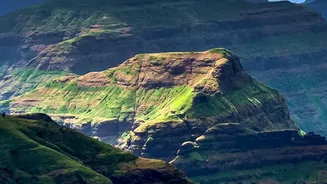
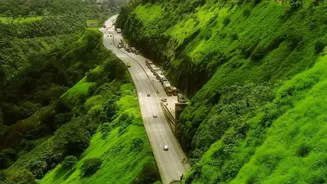
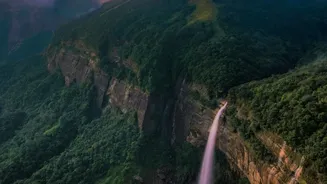
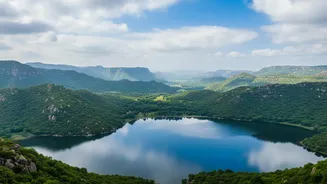
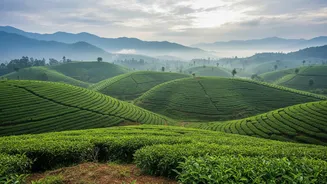
their trips specifically around the rains, drawn by the allure of a 'green Rajasthan'. After the intense heat of summer, the first showers bring an almost magical transformation. The arid Aravalli hills shed their brown coat for a vibrant green, lakes and reservoirs fill to the brim, and seasonal waterfalls appear in places like Banswara and Rawatbhata. Travel experts note that this 'green tourism' has boosted the hospitality industry, with travellers seeking immersive nature experiences and booking their getaways well in advance.
Udaipur: The Recharged City of Lakes
At the heart of this monsoon boom is Udaipur. Known as the City of Lakes, its beauty is magnified by the rains. Lake Pichola and Fateh Sagar Lake, which can recede during the hot summer, are rejuvenated, offering stunning reflections of the rain-washed City Palace and Jag Mandir. The air cools, and a romantic mist often hangs over the water and surrounding hills. The most iconic monsoon viewpoint is the Sajjangarh Palace, aptly nicknamed the Monsoon Palace. Perched atop a hill, it was originally built to watch the monsoon clouds roll in, and today it offers breathtaking panoramic views of the lush, revitalised landscape. The usual tourist crowds are thinner, allowing for a more peaceful experience.
Beyond the Lakes: Misty Forts and Hill Retreats
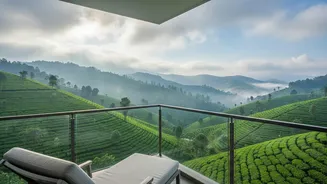
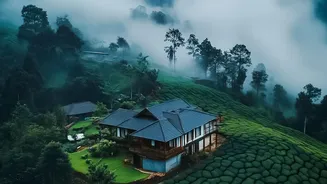
The monsoon's magic isn't confined to Udaipur. The entire Aravalli belt comes alive. Mount Abu, Rajasthan's only hill station, becomes a verdant retreat with misty valleys and trekking opportunities around a full Nakki Lake. Forts like Kumbhalgarh, a UNESCO World Heritage site, and Chittorgarh offer dramatic views, with their ancient walls winding through green hills often shrouded in clouds. Lesser-known destinations are also gaining popularity. Bundi, with its dozens of ancient stepwells (baoris) that fill with rainwater, offers a unique historical and natural spectacle. Similarly, areas like Ranakpur, Sariska, and the Hadoti region around Kota provide a mix of rejuvenated nature, wildlife, and heritage without the peak-season crowds.
A Limited-Time Natural Spectacle
Part of the appeal driving the booking rush is the fleeting nature of this transformation. The lush greenery and full water bodies are a temporary spectacle, lasting only for the few months of the monsoon. This sense of a 'limited-time offer' from nature encourages travellers to seize the moment. The experience is completely different from a winter visit; it's less about ticking off historical sites and more about soaking in the atmosphere. It involves enjoying boat rides on misty lakes, taking scenic drives through the green Aravallis, and sipping chai while watching the rain from a heritage haveli. Even wildlife destinations like Ranthambore, where core zones are closed, see interest in buffer zone safaris.
Planning Your Monsoon Escape
If you plan to join the monsoon travel surge, a few practical tips can help. With growing popularity, it's wise to book accommodations in advance, especially for popular lakeside heritage properties in Udaipur. While major highways are generally safe, rural roads can be affected by heavy downpours, so it's good to remain flexible with your itinerary. Pack light rain gear, an umbrella, and sturdy, grip-friendly footwear suitable for wet surfaces and uneven paths. Finally, be prepared for mosquitoes, which are more active after the rains. The trade-off for these minor inconveniences is witnessing a familiar, royal state in an entirely new and enchanting light.