




What is Neem Oil?
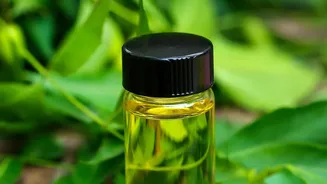
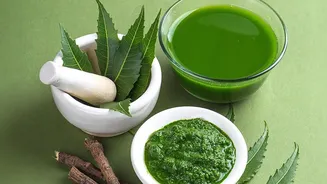
Neem oil is a naturally occurring pesticide extracted from the seeds of the neem tree (Azadirachta indica), which is native to the Indian subcontinent. For hundreds of years, it has been a cornerstone of traditional agriculture in India, valued for its
ability to manage pests and diseases without synthetic chemicals. The oil's primary active ingredient, azadirachtin, is the key to its effectiveness. This compound doesn't typically kill insects on immediate contact but instead works in more subtle, disruptive ways. It acts as a repellent, an anti-feedant, and a growth regulator, interfering with the life cycle of many common garden pests.
Your Simple Homemade Spray Recipe
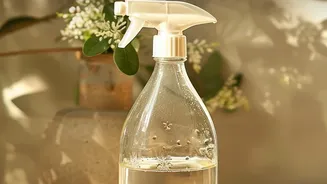
Creating your own neem oil spray is both simple and cost-effective. You will need just three ingredients: a high-quality, cold-pressed neem oil; a mild liquid soap, which acts as an emulsifier to help the oil and water mix; and warm water. For a standard one-litre spray bottle, a common and effective ratio is about 5 ml (one teaspoon) of neem oil and 1-2 ml (about a quarter teaspoon) of mild soap mixed into one litre of warm water. It is crucial to mix the solution right before you plan to use it, as the active compounds in neem oil can degrade over time once diluted. Shake the sprayer well before you begin and periodically during application to ensure the mixture remains properly emulsified.
How and When to Apply Your Spray
Proper application is key to success. The best times to spray your plants are in the early morning or late evening. Applying neem oil in direct, harsh sunlight can cause the oil to heat up on the leaves and lead to foliage burn. Spraying when the sun is low also minimises contact with beneficial pollinators like bees, which are less active at these times. When spraying, aim for complete coverage. Pests often hide on the undersides of leaves, so be sure to coat all surfaces of the plant, including stems and both the tops and bottoms of leaves. Before treating an entire plant, it's wise to test the spray on a small leaf and wait 24 hours to check for any signs of sensitivity or damage.
Pests and Diseases It Manages
Neem oil is effective against a wide range of common garden pests, particularly soft-bodied insects that feed on plants. This includes aphids, mealybugs, whiteflies, thrips, and spider mites. The azadirachtin in the oil disrupts their feeding, inhibits their growth, and can prevent reproduction. It is important to note that it's not an instant killer; its effects are gradual as it interferes with the insects' life cycle. In addition to being an insecticide, neem oil also possesses anti-fungal properties and can help manage issues like powdery mildew, black spot, and rust when used preventively.
Important Precautions for a Healthy Garden
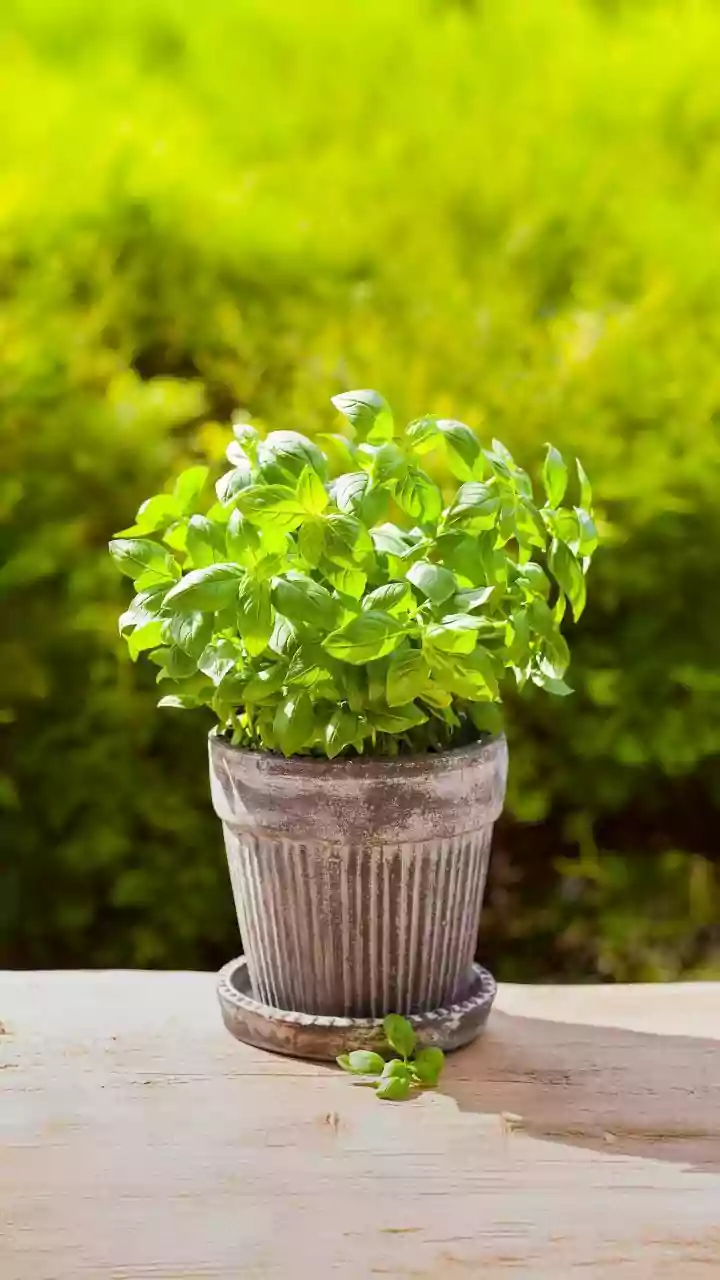
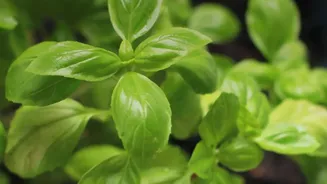
While neem oil is a natural product, a few precautions are necessary. Avoid applying it to plants that are already stressed from drought, overwatering, or recent transplanting. Some plants with delicate or fuzzy leaves, such as certain varieties of lettuce, spinach, or herbs like basil, can be sensitive to oils, so always perform a spot test. Though generally considered safe for beneficial insects like bees and ladybugs because they don't feed on the plant foliage, it is still best to avoid spraying them directly. Applying the spray in the evening is the safest practice for pollinators. Also, be aware that neem oil can be toxic to fish, so avoid using it near ponds or streams. Always wash any treated fruits and vegetables thoroughly before eating.