



Why the Monsoon is Deceptively Dangerous
While you might stop manually watering your plants, the monsoon doesn't stop. Continuous rain, combined with high humidity and reduced sunlight, means soil stays saturated for far longer than usual. This constant wetness is the core problem. It displaces
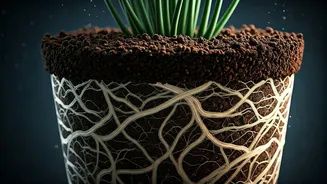
oxygen from the soil, effectively suffocating the plant's roots. An oxygen-deprived root system cannot absorb nutrients properly, leading to a cascade of health issues even when surrounded by moisture. This waterlogged environment is also the perfect breeding ground for harmful fungi and bacteria.
Spotting the Danger Signs: Overwatering vs. Underwatering
Confusingly, an overwatered plant can look a lot like a thirsty one. Both may have yellowing, drooping leaves. The key is to look closer. Overwatered leaves often feel soft, limp, and almost mushy, and yellowing might be widespread across the plant. Underwatered leaves, by contrast, tend to feel dry, thin, and crispy at the edges. The most reliable method is the finger test: stick your finger about two inches into the soil. If it feels wet, cold, or soggy, your plant is overwatered. Other tell-tale signs of too much water include mould on the soil surface, a sour or rotten smell, and stunted growth.
The Root of the Problem: Fungal Attack
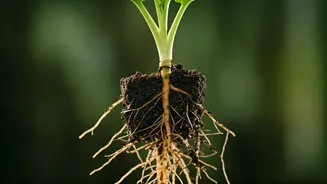
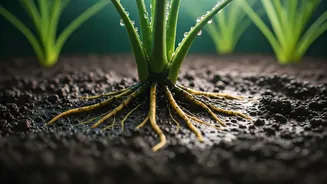
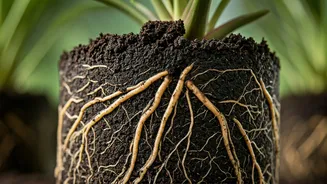
The most severe consequence of overwatering during the monsoon is root rot. In soggy, airless soil, fungal diseases like Pythium and Phytophthora thrive. These pathogens attack the plant's roots, turning them from healthy white and firm to black, mushy, and decayed. Once the roots begin to rot, they can no longer transport water and nutrients to the rest of the plant. This is why an overwatered plant wilts; it is dying of thirst in a sea of water because its root system has failed. High humidity also encourages other fungal issues like powdery mildew and leaf spot, which spread rapidly in damp conditions.
Prevention: Your First Line of Defence
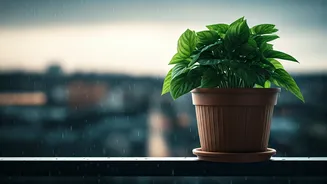
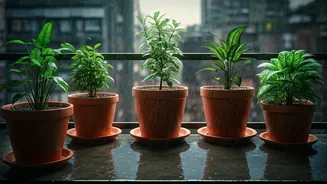
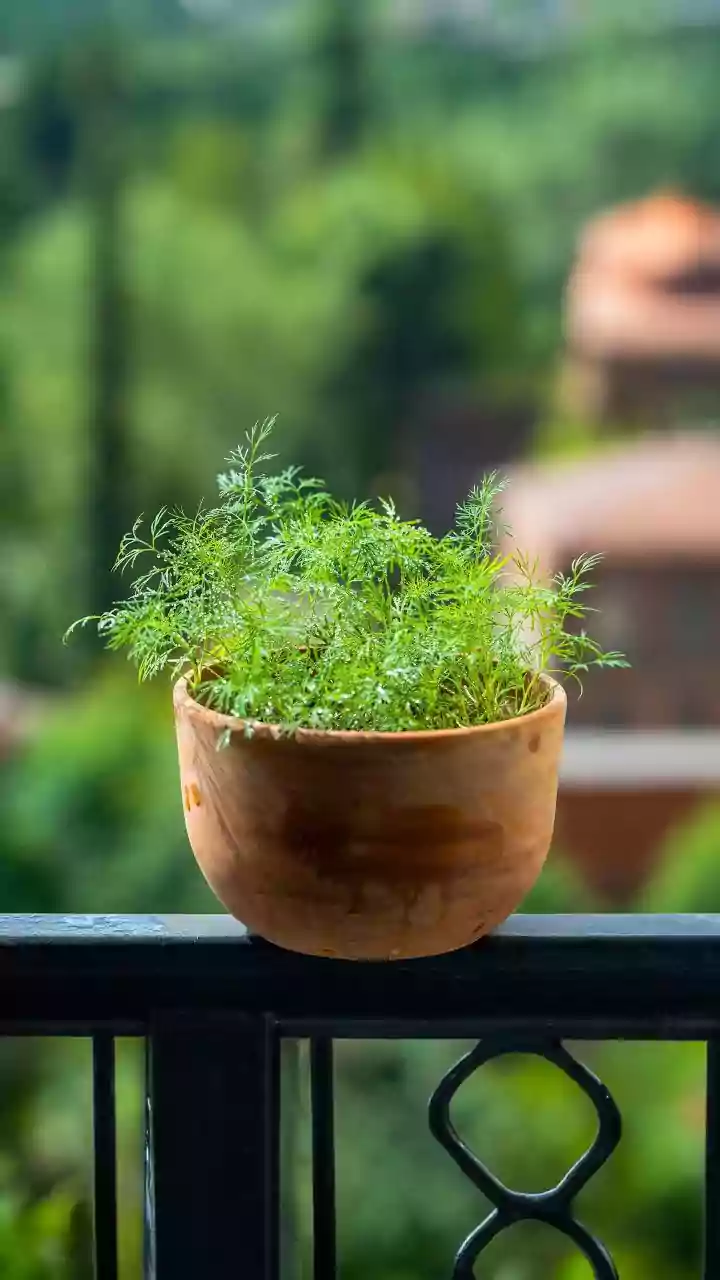
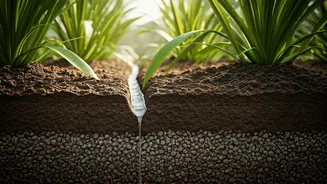
The best cure for overwatering is preventing it in the first place. Start with your pots and soil. Ensure every pot has clear drainage holes. Using terracotta pots can also help, as they are more porous than plastic. A well-draining soil mix is non-negotiable. A good combination for Indian monsoon conditions is around 40% garden soil, 30% compost, and 30% a coarse material like cocopeat or river sand to improve aeration and prevent waterlogging. During heavy rains, consider moving smaller pots to a sheltered balcony or under an overhang to control their water intake. Finally, trust the rain but always verify. Water only when the top layer of soil feels dry to the touch.
Emergency Rescue for Drowning Plants
If you suspect a plant is suffering from root rot, you must act fast. First, stop watering and move the plant to a spot with better air circulation. If the problem seems advanced, gently remove the plant from its pot. Examine the roots: healthy ones are typically white and firm, while rotten ones will be brown or black, mushy, and may smell foul. Using a sterilised pair of scissors, carefully trim away all the dead and mushy roots. If you have to remove a lot of roots, prune some of the leaves as well to reduce the stress on the remaining root system. Repot the plant in a clean pot with fresh, dry, well-draining potting mix. Water it very lightly and give it time to recover.