







A Conscious Kitchen Culture
The home baking boom, which saw a massive surge in recent years, has matured. While banana bread had its fleeting moment, the move towards eco-baking and sourdough represents a deeper, more intentional shift. Eco-baking, at its core, is about mindfulness
in the kitchen. It involves minimizing energy use, reducing waste, and choosing ingredients with a lower environmental impact. This philosophy aligns perfectly with millennial values, a generation highly concerned with sustainability and the environmental impact of their choices. For them, baking is no longer just about producing a treat; it's an expression of their values, turning the simple act of making food into a statement about how they want to live.
The Zero-Waste Appeal
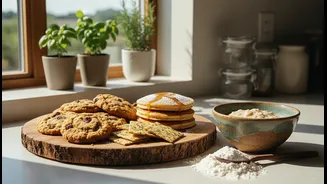
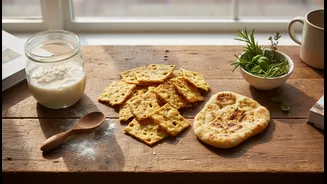
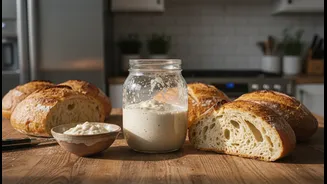
Central to this trend is the creative use of sourdough discard. To maintain a healthy sourdough starter, bakers must regularly discard a portion before feeding it. In the past, this might have gone straight into the bin. Today, it’s seen as a valuable ingredient. This practice is a direct challenge to food waste, a major concern for younger consumers. Reports show that millennials are particularly troubled by food waste, making the 'waste not, want not' philosophy of using discard incredibly appealing. This isn't a new concept in many cultures, including India, where resourcefulness in the kitchen has always been a virtue, turning peels, stems, and leftovers into delicious new dishes. Using discard to make everything from pancakes and crackers to cakes and pizza dough is a practical, modern application of this age-old wisdom.
More Than Just Dough
Beyond the ethical considerations, eco-baking makes simple economic sense. Baking your own bread is often more affordable than buying artisanal loaves. Utilizing every bit of the starter further stretches the value of your ingredients. But the appeal is also creative. Finding new and delicious ways to use sourdough discard has become a popular hobby, shared enthusiastically across social media. It transforms a potential waste product into an opportunity for culinary experimentation, yielding everything from tangy brownies and savoury flatbreads to moist banana bread and crispy biscuits. This combination of frugality and creativity offers a powerful sense of satisfaction and resourcefulness.
Baking as a Mindful Antidote
In a world saturated with digital distractions and intangible work, baking offers a tangible, grounding experience. The process of tending to a sourdough starter—a living entity that needs daily care—and the methodical steps of baking provide a sense of control and calm. Psychologists note that repetitive, sensory activities like kneading dough can be a form of mindfulness, reducing stress and improving mood. For many millennials navigating hectic lives, the kitchen has become a sanctuary. The predictable process of following a recipe and the pride of creating something nourishing from scratch offers a powerful antidote to feelings of chaos and burnout.
A Shared Rise
While baking can be a solitary act, the sourdough and eco-baking movement is deeply social. Online communities have sprung up where home cooks share their successes, troubleshoot their failures, and exchange recipes for using discard. The sourdough starter itself is inherently social; it's a living culture that is meant to be shared. This digital and real-world community fosters a sense of connection, turning a personal hobby into a shared passion. It’s a way to connect with others over a common interest that is both wholesome and productive, reinforcing the idea that even small, individual actions—like baking a loaf of bread—can be part of a larger, positive movement.