



The Unseen Risks in Cleaning Products
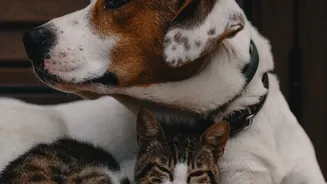
The danger from cleaning products extends far beyond accidental ingestion. Children and pets are uniquely vulnerable for several reasons. Due to their smaller body size and faster metabolism, even a small amount of a chemical can have a significant impact.
Their behaviour also increases their risk; babies crawl on freshly mopped floors, and both children and pets are prone to putting objects—and their own hands or paws—in their mouths. This means they can easily ingest harmful residues left on surfaces. Furthermore, the fumes from products like bleach, ammonia, and aerosol sprays can irritate their developing respiratory systems, leading to coughing, wheezing, or triggering asthma. Skin contact with chemical residue can cause rashes and irritation on their sensitive skin.
Common Culprits Hiding in Your Cabinet
Many popular cleaning products contain chemicals that require careful handling. Bleach (sodium hypochlorite), for example, can cause chemical burns and respiratory harm. Ammonia, often found in glass cleaners, is corrosive and can burn the eyes, nose, and throat. Other ingredients to be mindful of include phthalates, often hidden in scented products, and formaldehyde, which can be found in some disinfectants and laundry detergents and is a known carcinogen. Cleaners for drains, ovens, and toilets are frequently highly corrosive and can cause severe tissue damage if ingested or touched. It’s crucial to read labels, but manufacturers are not always required to list every ingredient, making it difficult for consumers to know the full extent of what’s in a product.
A Safer Cleaning Routine: Immediate Steps
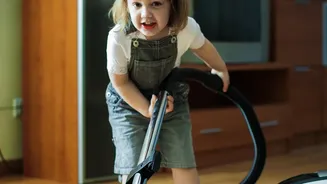
Protecting your family during cleaning requires a proactive approach. The simplest rule is to create a secure barrier. Clean when children are napping or at school, and keep pets in a separate, closed-off room or safely in the garden or on a balcony. Never leave buckets, spray bottles, or cleaning products unattended, even for a moment. Ensure the area is well-ventilated by opening windows and using fans to disperse fumes and help surfaces dry faster. After cleaning, it's a good practice to rinse surfaces like floors and countertops with plain water to remove any lingering chemical residue before allowing children and pets back into the area. Finally, safely dispose of any used paper towels or rags that are soaked in cleaning solutions.
Safe Storage Is as Important as Safe Use
Once the cleaning is done, the risk doesn't disappear. Accidental poisoning is a major concern, and proper storage is your best line of defence. All cleaning chemicals should be stored in high cabinets, well out of reach of curious hands and paws. For lower cabinets, installing childproof locks is an essential safety measure. Always keep products in their original, clearly labelled containers. Never transfer chemicals into old drink bottles or food jars, as this can lead to tragic mix-ups. Pay attention to the warnings on labels; generally, the more warnings a product has, the more toxic it is.
Considering Gentler, Effective Alternatives
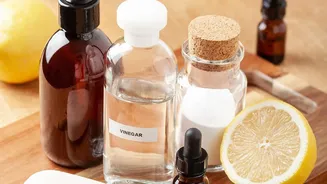
For many daily cleaning tasks, you don't need to rely on harsh chemicals. Simple household items can be surprisingly effective and are much safer for your family. A solution of equal parts white vinegar and water in a spray bottle works as a great all-purpose cleaner for many surfaces. Baking soda is a fantastic, gentle abrasive for scrubbing sinks and tubs; it can also be used to deodorise carpets. Lemon juice has natural cutting power against grease and leaves a fresh scent. For those who prefer ready-made products, a growing number of brands offer plant-based, non-toxic cleaners that are certified by safety organisations. These options break down dirt and grime effectively without leaving behind harmful residues or fumes.