




The Allure and Ambush of Monsoon Treks
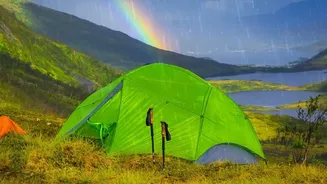
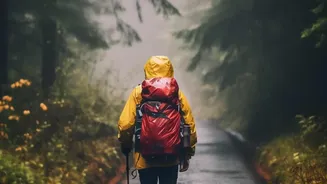
There's nothing quite like watching the Sahyadris or the Himalayan foothills burst into life during the monsoon. Waterfalls appear on every cliff, valleys turn a vibrant green, and a cool mist hangs in the air. It’s an irresistible call to adventure for
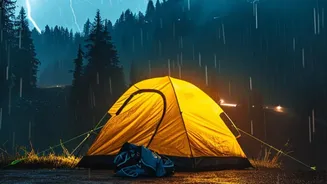
many. Yet, the same rain that brings this beauty also creates significant dangers. Trails become slick and treacherous, visibility can drop to near zero in minutes, and, most critically, the risk of flash floods and landslides skyrockets. A gentle stream can become a raging, impassable torrent without warning, sometimes from rainfall happening kilometres away. These dangers are not theoretical; every year, authorities issue advisories and sometimes restrict access to high-risk trails to prevent accidents.
Clearing the Air: What GPS Beacons Really Do
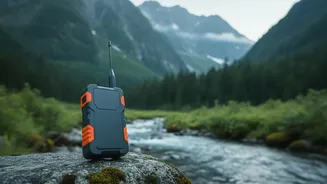
The headline mentions GPS beacons, but it's important to clarify what these devices are and, more importantly, what they aren't. A common misconception is that they are flood-prediction devices. They are not. Their primary job is location and communication. These gadgets fall into two main categories: Personal Locator Beacons (PLBs) and satellite messengers. A PLB is a one-trick pony, but it's a life-saving trick: press the SOS button, and it sends a powerful distress signal with your GPS coordinates to an international satellite network monitored by search and rescue (SAR) teams. They are built for one thing: dire emergencies. There's no texting, no weather updates, just a direct line to help.
The Power of Two-Way Communication
Satellite messengers, like those from Garmin or Zoleo, offer a broader set of features. Like PLBs, they have an SOS button that connects to emergency response centres. However, their key advantage is two-way communication. You can send and receive text messages from anywhere in the world, letting you check in with family, inform them of delays, or even have a conversation with the rescue team after triggering an SOS to explain the nature of your emergency. This two-way link is how these devices truly help with flood safety. You can receive a message from your contact back home warning you about a severe weather alert issued for your area, or you can message a guide to ask about the condition of a river crossing ahead.
Getting Weather Updates Beyond the Grid
Some advanced satellite messengers take safety a step further by allowing you to request weather forecasts for your specific location. By pairing the device with a smartphone app, you can download detailed forecasts that predict rainfall, wind, and temperature for the coming hours and days. This is an invaluable tool for monsoon trekking. If you see a forecast for exceptionally heavy rain, you can make an informed decision to stay put, turn back, or alter your route to avoid low-lying areas and stream crossings. This feature transforms the device from a purely reactive safety tool into a proactive one, helping you stay out of trouble in the first place.
Choosing Your Digital Lifeline
So which device is right for you? A PLB is a rugged, no-fuss emergency-only device with a long battery life and no subscription fees, making it a great 'just-in-case' option. If you want the ability to stay in touch, track your route for others to follow online, and get weather updates, a satellite messenger is the superior choice, though it comes with the cost of the device plus a monthly subscription plan. For the dedicated monsoon trekker who frequently ventures into areas with no mobile signal, the proactive safety features and two-way communication of a satellite messenger offer the most comprehensive protection.
Technology is a Tool, Not a Replacement for Judgment
Carrying a beacon doesn't make you invincible. It's a single, albeit critical, layer of a comprehensive safety strategy. The most important safety rules still apply: check weather forecasts before you leave, always trek with an experienced local guide if you're unfamiliar with the terrain, and inform someone of your detailed itinerary and your expected return time. Never camp in low-lying areas near streams, and respect official warnings or trail closures. A GPS beacon is there for when things go wrong, but sound judgment and preparation are what keep things from going wrong in the first place.